Islamic Wedding Ceremony (Nikah) Steps
Last updated: 29 Jul 2026
8525 Views
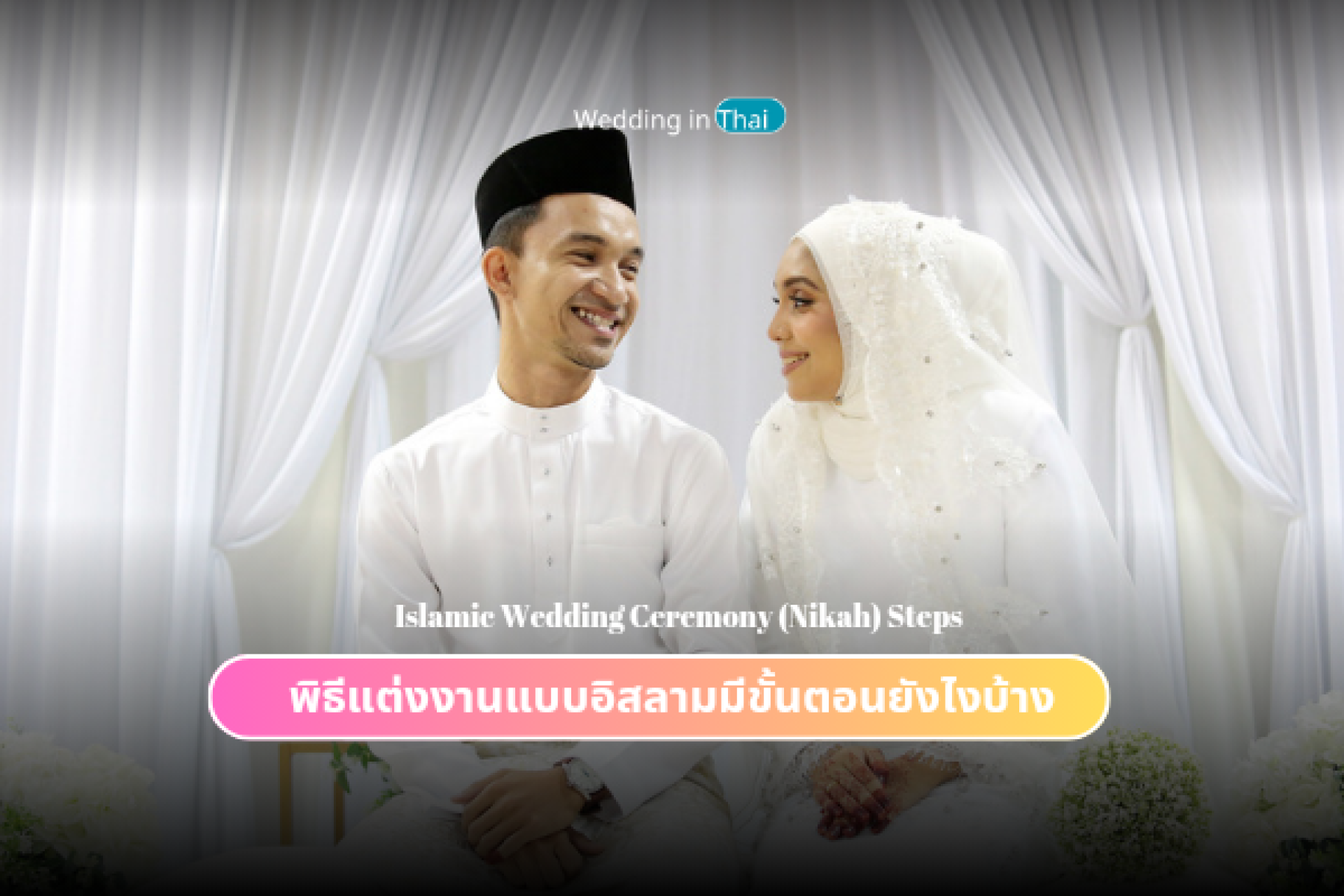
What Are the Steps in a Traditional Islamic Wedding Ceremony (Nikah)?
A traditional Islamic wedding, known as Nikah, is a sacred religious ceremony that formalizes the marriage contract between the bride and groom in accordance with Islamic principles. Its not just a celebration but a solemn act of faith, responsibility, and mutual respect. The involvement of family and religious leaders is deeply valued in every step.
1. Seeking Permission from the Brides Guardian (Wali)
One of the most important steps is obtaining the consent of the brides guardian, called the Wali. This is usually the brides father or a close male relative if the father is not present. The Walis approval ensures the marriage is conducted with honor and aligns with Islamic teachings.
2. Agreement on Mahr (Dowry)
Mahr is a mandatory gift from the groom to the bride. It can be in the form of money, gold, jewelry, or any meaningful asset. Mahr is not a price for the bride, but rather a symbol of the grooms love, commitment, and willingness to provide. The amount and nature of the Mahr must be agreed upon before the ceremony.
3. The Vows: Ijab and Qubul
After the guardians consent, the core of the Nikah is the Ijab (offer) and Qubul (acceptance):
The brides guardian says: I give (brides name) in marriage to you (grooms name) for the agreed Mahr.
The groom replies: I accept her as my wife for the agreed Mahr.
This verbal exchange, made in front of witnesses, finalizes the marriage according to Islamic law.
4. Two Male Muslim Witnesses
For the Nikah to be valid, there must be at least two male Muslim witnesses present. Their role is to observe and confirm that the marriage has been conducted correctly and voluntarily.
5. ️ Signing the Nikah Contract (Nikah Nama)
After the verbal agreement, the Nikah contract is signed by the bride, groom, guardian, and witnesses. Known as the Nikah Nama, this document serves as both a religious and legal proof of marriage.
6. Recitation from the Quran
During the ceremony, selected verses from the Holy Quran are recitedoften those that speak about love, mercy, and mutual rights and responsibilities in marriage. This brings spiritual blessings and seeks divine favor for the couples life together.
7. Marriage Sermon and Prayers (Khutbah & Dua)
The imam or religious officiant gives a short Khutbah (sermon) to advise the couple on their marital duties, mutual respect, and the importance of kindness and communication. This is followed by a Dua (supplication) asking Allah to bless the union, bring happiness, and guide the couple throughout their marriage.
8. ️ Wedding Feast (Walima)
After the religious ceremony, the grooms family may host a Walima, a celebratory feast that announces the marriage to the community. Guestsfamily, friends, and neighborsare invited to join in joyful celebration and share a meal together in honor of the newlyweds.
An Islamic wedding ceremony, or Nikah, is much more than a festive event. It is a sacred covenant grounded in faith, love, and responsibility. Every stepfrom seeking consent to exchanging vows and celebrating with familyis filled with deep spiritual meaning. If you're planning an Islamic wedding, feel free to explore more ideas, inspiration, and venue suggestions at Wedding in Thai
A traditional Islamic wedding, known as Nikah, is a sacred religious ceremony that formalizes the marriage contract between the bride and groom in accordance with Islamic principles. Its not just a celebration but a solemn act of faith, responsibility, and mutual respect. The involvement of family and religious leaders is deeply valued in every step.
1. Seeking Permission from the Brides Guardian (Wali)
One of the most important steps is obtaining the consent of the brides guardian, called the Wali. This is usually the brides father or a close male relative if the father is not present. The Walis approval ensures the marriage is conducted with honor and aligns with Islamic teachings.
2. Agreement on Mahr (Dowry)
Mahr is a mandatory gift from the groom to the bride. It can be in the form of money, gold, jewelry, or any meaningful asset. Mahr is not a price for the bride, but rather a symbol of the grooms love, commitment, and willingness to provide. The amount and nature of the Mahr must be agreed upon before the ceremony.
3. The Vows: Ijab and Qubul
After the guardians consent, the core of the Nikah is the Ijab (offer) and Qubul (acceptance):
The brides guardian says: I give (brides name) in marriage to you (grooms name) for the agreed Mahr.
The groom replies: I accept her as my wife for the agreed Mahr.
This verbal exchange, made in front of witnesses, finalizes the marriage according to Islamic law.
4. Two Male Muslim Witnesses
For the Nikah to be valid, there must be at least two male Muslim witnesses present. Their role is to observe and confirm that the marriage has been conducted correctly and voluntarily.
5. ️ Signing the Nikah Contract (Nikah Nama)
After the verbal agreement, the Nikah contract is signed by the bride, groom, guardian, and witnesses. Known as the Nikah Nama, this document serves as both a religious and legal proof of marriage.
6. Recitation from the Quran
During the ceremony, selected verses from the Holy Quran are recitedoften those that speak about love, mercy, and mutual rights and responsibilities in marriage. This brings spiritual blessings and seeks divine favor for the couples life together.
7. Marriage Sermon and Prayers (Khutbah & Dua)
The imam or religious officiant gives a short Khutbah (sermon) to advise the couple on their marital duties, mutual respect, and the importance of kindness and communication. This is followed by a Dua (supplication) asking Allah to bless the union, bring happiness, and guide the couple throughout their marriage.
8. ️ Wedding Feast (Walima)
After the religious ceremony, the grooms family may host a Walima, a celebratory feast that announces the marriage to the community. Guestsfamily, friends, and neighborsare invited to join in joyful celebration and share a meal together in honor of the newlyweds.
An Islamic wedding ceremony, or Nikah, is much more than a festive event. It is a sacred covenant grounded in faith, love, and responsibility. Every stepfrom seeking consent to exchanging vows and celebrating with familyis filled with deep spiritual meaning. If you're planning an Islamic wedding, feel free to explore more ideas, inspiration, and venue suggestions at Wedding in Thai
 |
 |
Related Content

Looking for a wedding invitation that reflects your love story? Discover elegant and creative invitation ideas, premium materials, and personal touches that make your big day unforgettable.
17 Aug 2024

Discover how to choose the perfect wedding color theme Earth Tone, White, or Pastel. Get inspiration, styling tips, and venue ideas for your Wedding Thailand.
1 May 2026

Plan your dream wedding in Thailand with ease. Discover wedding venues, destination wedding packages, and expert planning for Singapore couples.
4 Jul 2026

