Korean Wedding Ceremonies
Last updated: 24 Aug 2026
7369 Views
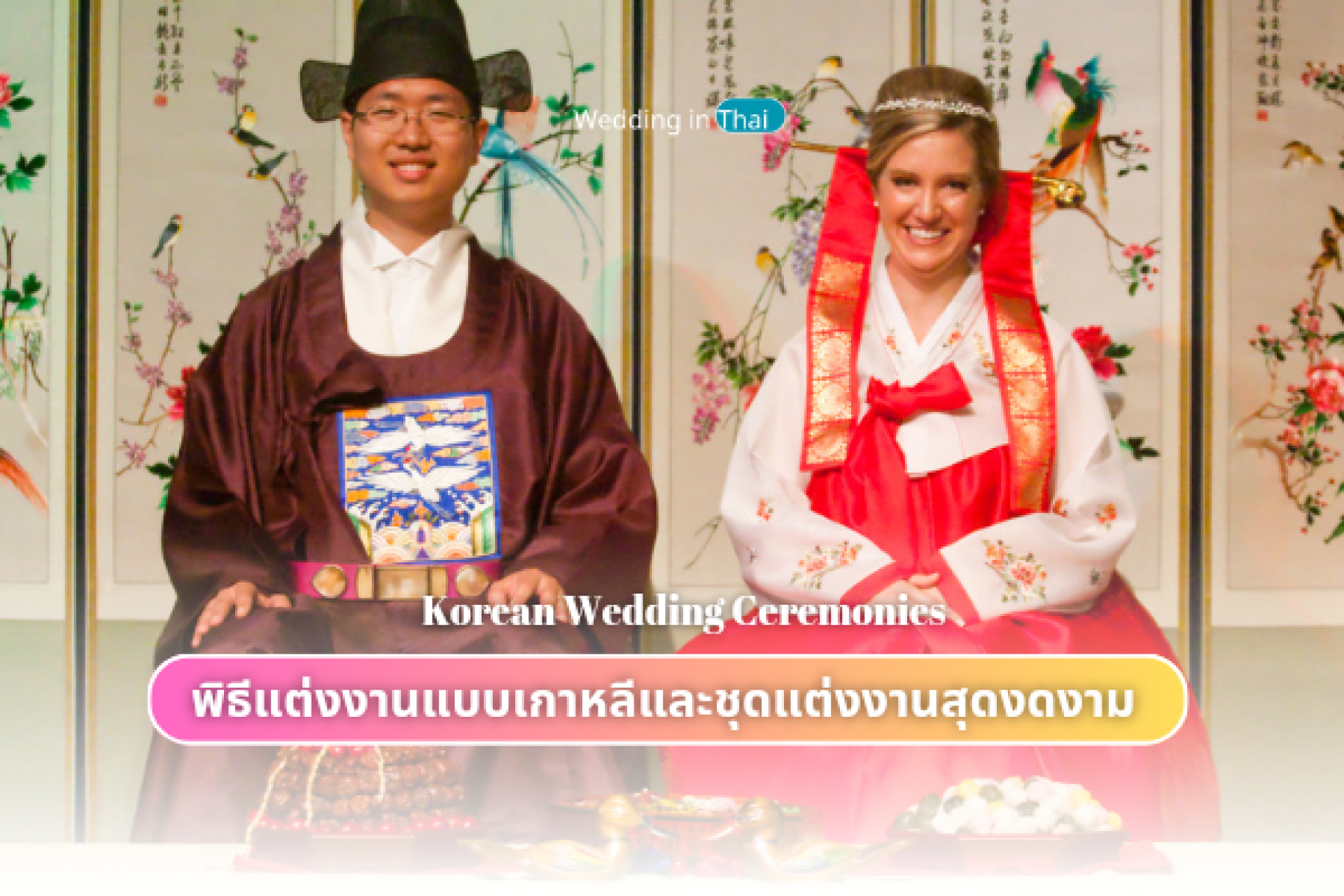
Korean Wedding Ceremonies and the Elegance of Traditional Wedding Attire
When we think of Korean weddings, the image of simplicity intertwined with charm often comes to mind. These ceremonies are filled with profound meaning, emphasizing respect for ancestors, honoring family, and showcasing the love and support between the bride and groom.
Traditional Korean Wedding Ceremonies: Simplicity with Deep Meaning
Traditional Korean weddings are centered around the Haegyeongrye ritual, a custom steeped in heritage. During the ceremony, the bride and groom wear vibrant hanbok, the traditional Korean attire, and exchange gifts symbolizing good fortune and the beginning of a shared life.
One of the ceremony's highlights is the bowing ritual, where the couple pays homage to the heavens, deities, and ancestors. This is followed by a reverent bow to their parents, seeking blessings for a harmonious and prosperous marriage.
The ceremony also features the shared wine ritual, where the couple drinks traditional rice wine from the same cup, symbolizing unity and commitment. Additionally, the bride's family presents the grooms family with wooden ducks or geese, signifying fidelity and lifelong partnership.
One of the ceremony's highlights is the bowing ritual, where the couple pays homage to the heavens, deities, and ancestors. This is followed by a reverent bow to their parents, seeking blessings for a harmonious and prosperous marriage.
The ceremony also features the shared wine ritual, where the couple drinks traditional rice wine from the same cup, symbolizing unity and commitment. Additionally, the bride's family presents the grooms family with wooden ducks or geese, signifying fidelity and lifelong partnership.
The Beauty of Korean Wedding Attire: The Hanbok
In traditional ceremonies, the bride and groom don the hanbok, Korea's national attire, known for its elegant design and vibrant colors. The brides hanbok is typically red and green, symbolizing happiness and prosperity.
The bride often wears a long outer robe adorned with floral embroidery, along with a headpiece known as jokduri, crafted from metal or wood, representing dignity and grace. The groom's hanbok, often blue or purple, reflects stability and sincerity.
The bride often wears a long outer robe adorned with floral embroidery, along with a headpiece known as jokduri, crafted from metal or wood, representing dignity and grace. The groom's hanbok, often blue or purple, reflects stability and sincerity.
Modern Adaptations of Korean Weddings
Today, many Korean couples incorporate Western-style wedding attire into their ceremonies, such as suits for the groom and white gowns for the bride, alongside the traditional hanbok. This blend of tradition and modernity creates a unique and memorable wedding experience.
Korean Weddings in the Modern Era
Modern Korean weddings have evolved to fit contemporary lifestyles, with many couples opting for intimate ceremonies in churches or hotels, attended only by close family and friends. Despite these changes, essential traditions such as bowing to ancestors and sharing rice wine remain integral, linking the past with the present.
The combination of tradition and modernity gives Korean weddings their unique charm. These ceremonies are not only a celebration of love and commitment but also a tribute to the rich culture and long-standing heritage of Korea.
The combination of tradition and modernity gives Korean weddings their unique charm. These ceremonies are not only a celebration of love and commitment but also a tribute to the rich culture and long-standing heritage of Korea.

Discover Your Dream Wedding Venue
Explore our curated collection of hotels, resorts, and wedding venues. Browse wedding packages, photos, and venue details to find the perfect setting for your special day.
Explore Wedding Venues
Plan Your Wedding with a Wedding Specialist
Share your vision and budget, and our Wedding Specialist will recommend the most suitable venues and connect you directly with each venue's wedding team to help bring your dream wedding to life.
Plan with a Wedding Specialist
Explore our curated collection of hotels, resorts, and wedding venues. Browse wedding packages, photos, and venue details to find the perfect setting for your special day.
Explore Wedding Venues
Plan Your Wedding with a Wedding Specialist
Share your vision and budget, and our Wedding Specialist will recommend the most suitable venues and connect you directly with each venue's wedding team to help bring your dream wedding to life.
Plan with a Wedding Specialist
Related Content

A wedding MC (Master of Ceremonies) can significantly enhance the flow and atmosphere of your special day.Acting as the events host, an MC
1 Sept 2024

Discover wedding dress tips based on body type, venue, and season. Find the perfect bridal gown that highlights your beauty and confidence on your big day.
3 Oct 2025

Discover the ultimate Phi Phi Island wedding experience with stunning beaches, luxury resorts, and unforgettable destination weddings in Thailand.
13 Jun 2026

