Eco-Friendly Wedding Ideas for a Sustainable Wedding
Last updated: 21 Sept 2026
2335 Views
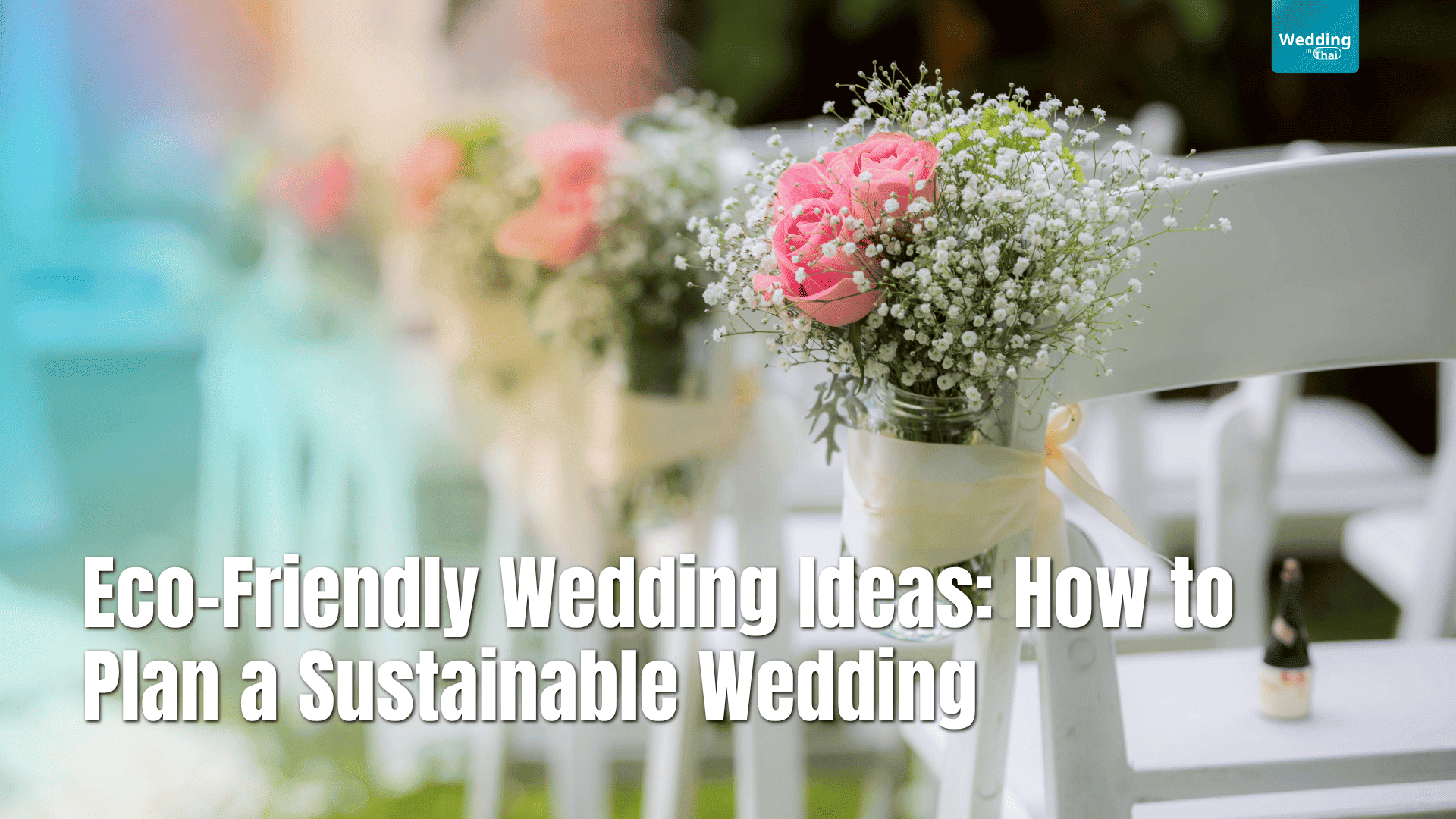
Eco-Friendly Wedding Ideas: How to Plan a Sustainable Wedding
A beautiful wedding does not have to create unnecessary waste.
As more couples become conscious of how their celebrations affect the environment, eco-friendly weddings and sustainable weddings are becoming an increasingly popular approach to wedding planning. From choosing the right venue and reducing single-use decorations to serving local food and giving meaningful wedding favors, small decisions can make a difference.
For couples planning a destination wedding in Thailand, sustainability can also become part of the experience. Thailand offers natural settings, locally sourced ingredients, handmade products, and beautiful outdoor venues that can help couples create an elegant celebration while being more mindful of resources.
If you are wondering how to plan an eco-friendly wedding without compromising on style, here are practical sustainable wedding ideas to consider.
What Is an Eco-Friendly Wedding?
An eco-friendly wedding is a celebration planned with greater consideration for its environmental impact.
This can include reducing waste, avoiding unnecessary single-use products, choosing reusable or recyclable materials, sourcing food and flowers locally, and selecting venues and wedding vendors that have more sustainable practices.
An eco-friendly wedding does not mean everything has to be completely sustainable. Instead, couples can focus on making thoughtful choices in the areas where they can have the most impact.
1. Choose an Eco-Conscious Wedding Venue
Your wedding venue is one of the most important decisions when planning a sustainable wedding.
Look for venues that have practices designed to reduce energy consumption, waste, water use, or single-use plastics. Hotels and resorts with sustainability programs may also have systems for managing food waste, recycling, energy, and other resources.
Outdoor wedding venues can be another option, particularly when natural surroundings can become part of the overall wedding design.
For couples planning an eco-friendly wedding in Thailand, consider destinations such as Phuket, Koh Samui, and Phi Phi, where beachfront, garden, and nature-inspired venues can create a beautiful setting without relying heavily on elaborate decorations.
When comparing venues, ask about:
- Waste management and recycling
- Food waste reduction
- Single-use plastic policies
- Energy-saving practices
- Water conservation
- Locally sourced food
- Sustainable event options
Choosing a venue with existing sustainability practices can make your wedding planning easier and more environmentally conscious.
2. Use Sustainable Wedding Decorations
Wedding decorations can create a significant amount of waste, particularly when flowers, fabrics, signage, and decorative items are used only once.
Instead of choosing decorations based purely on quantity, focus on pieces that can be reused, repurposed, rented, or responsibly recycled.
Consider:
- Locally sourced flowers
- Seasonal flowers
- Potted plants
- Reusable fabric decorations
- Wooden signage
- Recycled paper stationery
- Rental furniture and props
- Reusable candles and candle holders
- Natural materials such as bamboo or wood
You can also reuse ceremony flowers during the reception. For example, floral arrangements from the ceremony can be moved to the dinner tables instead of creating completely new arrangements.
For destination weddings, working with local wedding vendors can also help reduce the need to transport large quantities of materials over long distances.
3. Choose Local and Seasonal Flowers
Flowers are an important part of many weddings, but flower arrangements can also involve transportation, packaging, floral foam, and materials that are difficult to reuse.
One way to make your wedding flowers more sustainable is to choose locally available and seasonal blooms.
Talk to your florist about alternatives to traditional floral foam and ask whether arrangements can be designed using reusable structures or natural materials.
You can also consider greenery, potted plants, dried flowers, or flowers that can be repurposed after the ceremony.
For weddings in Thailand, using flowers that are naturally available in the region can create a beautiful sense of place while reducing the need for imported floral materials.
4. Serve Local and Sustainable Food
Food is another important part of sustainable wedding planning.
A wedding menu that uses local ingredients can help reduce transportation requirements while supporting local producers and communities.
Couples planning a destination wedding in Thailand can consider incorporating local Thai ingredients and regional dishes into the wedding menu.
You can also reduce food waste by working closely with your caterer to estimate portions based on your guest count and wedding format.
Some ideas include:
- Locally sourced ingredients
- Seasonal produce
- Thai regional dishes
- Farm-to-table menus
- Smaller shared plates
- Carefully planned buffet portions
- Vegetarian or plant-based options
- Reusable serving equipment
Ask your venue or caterer how they handle food that remains after the event. Some may have established systems for food redistribution, composting, or waste management.
5. Choose Eco-Friendly Wedding Invitations
Wedding invitations are another area where couples can reduce unnecessary paper use.
For destination weddings, digital invitations and online RSVP systems can be particularly practical. Guests can access event details, accommodation information, travel recommendations, and RSVP forms from one place.
If you prefer printed invitations, consider recycled paper, responsibly sourced paper, minimal packaging, and simple designs that require fewer materials.
You can also avoid unnecessary inserts by providing travel information and updates digitally.
6. Give Meaningful and Sustainable Wedding Favors
Wedding favors do not need to be expensive or elaborate.
Choose something useful, reusable, locally made, or connected to your destination.
For a wedding in Thailand, couples might consider:
- Locally made crafts
- Reusable fabric bags
- Handmade soaps
- Local products
- Small potted plants
- Seeds
- Reusable drinkware
- Sustainable lifestyle items
Another option is to make a donation to a meaningful environmental or community organization instead of giving physical favors.
The most important consideration is whether the favor will be useful or meaningful to your guests rather than becoming another item they may not need.
7. Reduce Single-Use Wedding Items
One of the simplest ways to create a more sustainable wedding is to reduce disposable items.
Where practical, choose reusable plates, glasses, cutlery, signage, decorations, and furniture.
Instead of disposable plastic bottles, consider water stations with reusable glasses or suitable refillable options. For outdoor weddings, ask your venue about practical alternatives that fit the location and guest experience.
You can also work with your wedding planner and vendors to identify items that can be rented instead of purchased for one event.
Small changes across different parts of the wedding can collectively reduce unnecessary waste.
8. Consider Sustainable Wedding Transportation
Transportation can be an important consideration, especially for destination weddings.
If possible, choose accommodation and wedding venues that are relatively close to each other. This can make transportation easier for guests and reduce unnecessary transfers.
For weddings at remote destinations, consider arranging shared transportation rather than having every guest travel separately.
Options may include:
- Shared hotel transfers
- Group shuttle services
- Carpooling
- Walking routes where practical
- Electric transportation where available
For a destination wedding in Thailand, providing guests with clear transportation information can also make the overall experience more convenient.
9. Reuse and Repurpose Wedding Items
Before purchasing something specifically for your wedding, ask whether it can be reused after the event.
Wedding signage, candles, furniture, fabrics, decorative structures, and floral containers can often be rented or repurposed.
You can also give certain decorations a second life. For example, welcome signs can become home decor, flowers can be given to guests, and leftover wedding stationery can be recycled where appropriate.
Working with rental companies and wedding vendors can help reduce the number of items that are purchased for a single event.
10. Plan What Happens to Leftovers
Sustainability does not stop when the wedding reception ends.
Before the wedding, ask your venue, caterer, florist, and planner how they manage leftover food, flowers, and materials.
Depending on local regulations and available services, suitable food may be redistributed, while flowers and other materials may be reused or donated.
For items that cannot be reused, ask whether the venue has recycling or appropriate waste-management systems.
Planning this in advance is much easier than trying to decide what to do with everything after the celebration is over.
Eco-Friendly Wedding Ideas for a Destination Wedding in Thailand
Thailand can offer couples many opportunities to incorporate sustainability into a destination wedding.
Instead of bringing every element of the wedding from overseas, consider working with local wedding venues and vendors whenever appropriate.
Local flowers, Thai food, handmade products, local transportation, and destination-inspired guest gifts can make the celebration feel more connected to Thailand while potentially reducing the amount of material that needs to be transported from elsewhere.
Couples can also combine their wedding celebration with a longer stay, allowing family and friends to experience the destination together rather than travelling only for a few hours of celebration.
Whether you are planning a beachfront wedding in Phuket, an intimate celebration in Koh Samui, or a destination wedding experience in Phi Phi, sustainability can be incorporated into the planning without losing the elegance and beauty of the occasion.
How to Plan a Sustainable Wedding Without Sacrificing Style
An eco-friendly wedding does not have to look rustic, simple, or less luxurious.
Sustainability can be incorporated into elegant weddings through thoughtful venue selection, beautiful locally sourced flowers, refined reusable decor, carefully selected menus, and meaningful guest experiences.
The goal is not perfection. It is about making intentional choices and avoiding unnecessary waste wherever practical.
A sustainable wedding can still be sophisticated, personal, and memorable.
Frequently Asked Questions About Eco-Friendly Weddings
What is an eco-friendly wedding?
An eco-friendly wedding is a celebration planned with greater consideration for its environmental impact. Couples may reduce waste, choose reusable materials, source food and flowers locally, minimize single-use products, and work with venues and vendors that have sustainable practices.
How can I make my wedding more eco-friendly?
Start with the areas that create the most waste, such as food, decorations, stationery, transportation, and disposable items. Choose reusable or recyclable alternatives, work with local vendors, and ask your venue about its sustainability and waste-management practices.
What are some eco-friendly wedding ideas?
Popular ideas include digital invitations, locally sourced flowers, sustainable wedding favors, reusable decorations, local food, shared transportation, rental furniture, and plans for reusing or donating leftover wedding items.
Can an eco-friendly wedding still be luxurious?
Yes. Sustainability does not require sacrificing elegance. Couples can create a sophisticated wedding using high-quality reusable decor, locally sourced flowers, thoughtful table settings, beautiful natural surroundings, and carefully designed guest experiences.
How can I plan an eco-friendly destination wedding in Thailand?
Choose a venue with sustainability practices, work with local wedding vendors, use locally sourced flowers and food, reduce single-use items, provide shared transportation where practical, and consider digital invitations and guest information.
Create a Wedding That Reflects What Matters to You
An eco-friendly wedding is ultimately about making thoughtful decisions throughout the planning process.
You do not have to change every aspect of your wedding. Choosing a sustainable venue, reducing unnecessary waste, supporting local vendors, and creating meaningful experiences for your guests can already make a difference.
Whether you are planning an intimate celebration or a destination wedding in Thailand, the most meaningful details are the ones that reflect who you are as a couple and the kind of experience you want to share with the people you love.
Explore carefully selected wedding venues and connect with Wedding Specialists through WeddingInThai to start planning your wedding in Thailand.

Discover Your Dream Wedding Venue
Explore our curated collection of hotels, resorts, and wedding venues. Browse wedding packages, photos, and venue details to find the perfect setting for your special day.
Plan Your Wedding with a Wedding Specialist
Share your vision and budget, and our Wedding Specialist will recommend the most suitable venues and connect you directly with each venue's wedding team to help bring your dream wedding to life.
Related Content

Plan your LGBTQ+ wedding in Thailand. Explore wedding venues, legal marriage, destination wedding packages, and expert planning tips for your perfect day.
6 Jul 2026

Complete guide to planning a destination wedding from start to finish including budget, venue, planner, guests, and wedding day flow.
17 Apr 2026

Hey, grooms-to-be! The big day is almost here, right? No matter how long you've been preparing, the excitement and a hint of nerves
4 Dec 2024

