Eco-Friendly Wedding Ideas for a Sustainable Celebration
Last updated: 19 Oct 2026
3523 Views
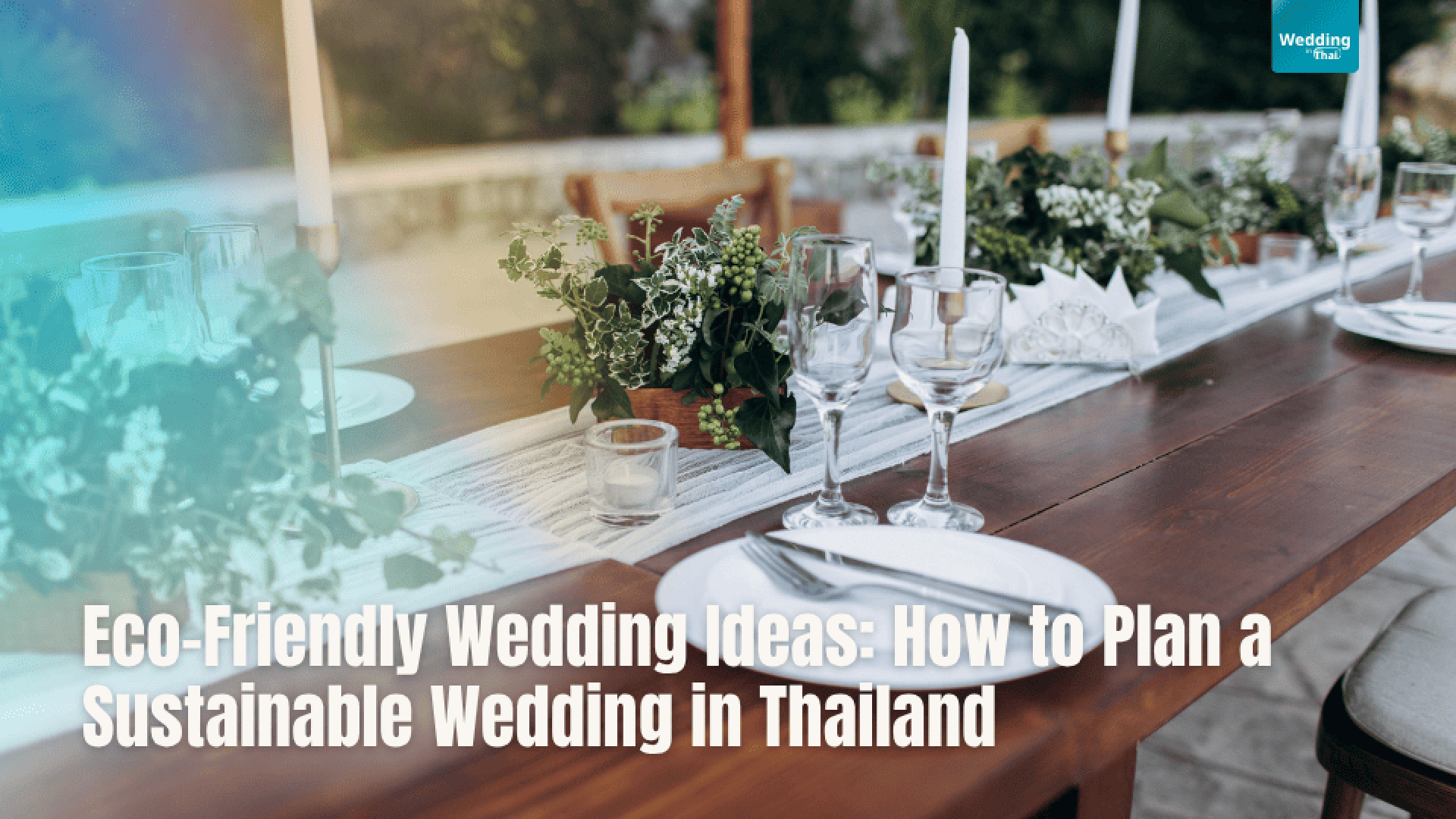
Eco-Friendly Wedding Ideas: How to Plan a Sustainable Wedding in Thailand
Planning an eco-friendly wedding is a meaningful way to celebrate your love while making thoughtful choices for the environment. From choosing a wedding venue and selecting flowers to planning your menu and reducing waste, every detail can contribute to a more sustainable celebration.
For couples planning a wedding in Thailand, the country's tropical gardens, beachfront resorts, and outdoor venues offer beautiful settings for a memorable celebration. Whether you are planning an intimate garden ceremony, a beachfront wedding, or a destination wedding with family and friends, there are many ways to reduce your environmental impact without compromising on style.
WeddingInThai shares 10 eco-friendly wedding ideas to help you plan a beautiful, meaningful, and sustainable celebration that reflects your values.
1. Choose an Eco-Friendly Wedding Venue
Your wedding venue is one of the most important decisions when planning a sustainable wedding. The location, energy consumption, transportation requirements, and waste management practices can all influence your celebration's environmental footprint.
Consider outdoor wedding venues, such as gardens, beachfront locations, or resorts surrounded by nature. These settings provide beautiful natural scenery and may reduce the need for extensive decorations.
When comparing wedding venues in Thailand, ask about their sustainability practices, including:
- Energy-efficient lighting and air conditioning.
- Water conservation and wastewater management.
- Recycling and waste reduction programs.
- Locally sourced food and beverages.
- Reusable decorations and event equipment.
For couples planning a destination wedding in Phuket, Koh Samui, or Koh Kood, consider the distance between the wedding venue and guest accommodation. Choosing a convenient location may help reduce unnecessary transportation.
Do not assume that an outdoor venue is automatically more sustainable. Ask about the venue's overall environmental practices, including energy use, water consumption, and waste management.
2. Choose Digital Wedding Invitations
Digital wedding invitations, also known as e-invitations, are a convenient way to reduce paper use while keeping your guests informed.
An electronic invitation can include essential details such as the wedding date, venue location, dress code, RSVP form, accommodation information, and transportation arrangements.
For destination weddings in Thailand, digital invitations are particularly useful when guests are traveling from different countries. Couples can share information in multiple languages and update event details without printing new invitations.
If you prefer traditional printed invitations, consider recycled paper, responsibly sourced materials, or minimalist designs that use fewer resources.
Seed-paper invitations are another option, allowing guests to plant the paper under suitable conditions. Before choosing this option, check that the seeds are appropriate for the intended planting location.
3. Choose Sustainable Wedding Flowers and Decorations
Flowers and decorations play an important role in creating the atmosphere of a wedding. However, thoughtful choices can help reduce unnecessary materials and make better use of existing resources.
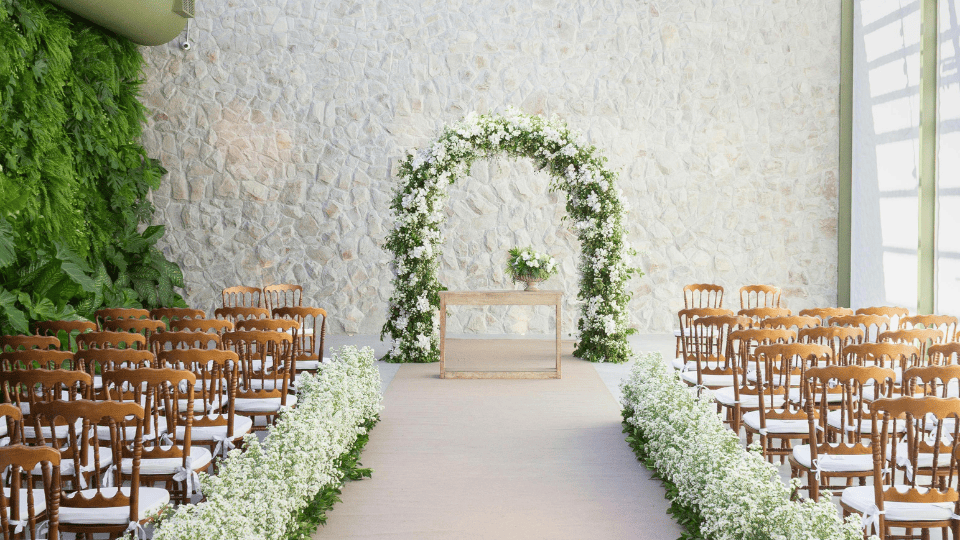
Consider seasonal flowers, locally sourced greenery, potted plants, and decorative elements that can be reused after the celebration.
Here are some eco-friendly wedding decoration ideas:
- - Choose seasonal flowers: Flowers that are naturally available in your region may require less transportation than imported alternatives.
- Use potted plants: Decorate ceremony aisles, arches, and reception areas with living plants that can be replanted or given away after the wedding.
- Reuse ceremony flowers: Move floral arrangements from the ceremony area to the reception to reduce the need for additional decorations.
- Donate suitable floral arrangements: Coordinate with recipients in advance to ensure the flowers can be used after the event.
- Rent decorative items: Reusable arches, vases, candleholders, and table decorations can help reduce the demand for newly purchased items.
For a tropical wedding in Thailand, local greenery and seasonal flowers can complement the natural surroundings while creating an elegant atmosphere.
The key is to consider the entire lifecycle of your decorations, from sourcing and transportation to their use and disposal after the wedding.
4. Choose Sustainable Wedding Attire
Your wedding attire can also reflect your commitment to sustainability. You do not need to purchase every outfit brand new to look beautiful on your special day.
Consider these alternatives:
- Rent your wedding attire: Renting a wedding dress, suit, or traditional outfit allows garments to be worn by multiple couples.
- Choose pre-loved clothing: Second-hand wedding attire can offer unique designs while extending the life of existing garments.
- Wear your outfit again: Choose pieces that can be altered or worn for other occasions.
- Support responsible designers: Ask about fabric sourcing, manufacturing practices, and garment durability.
For weddings in Thailand, lightweight and breathable fabrics can also help keep you comfortable in the tropical climate.
Beyond fabric choice, consider how long the garment will last, how it was produced, and whether it can be worn again. A material marketed as eco-friendly does not automatically have a lower environmental impact in every situation.
5. Serve Local and Seasonal Wedding Food
Food is another important consideration when planning a sustainable wedding. Ingredient sourcing, portion sizes, menu choices, and leftover management can all influence the amount of waste generated by an event.
For weddings in Thailand, couples can work with their venue or catering team to incorporate locally sourced ingredients and seasonal produce into their wedding menu.
Here are some practical ideas:
- Choose locally sourced ingredients where suitable.
- Include seasonal fruits and vegetables.
- Consider plant-forward dishes alongside other menu options.
- Estimate guest numbers carefully to avoid preparing excessive amounts of food.
- Arrange for suitable surplus food to be redistributed safely, where local rules and food safety requirements allow.
- Use reusable plates, glasses, and cutlery whenever practical.
For destination weddings, serving regional Thai cuisine can also give international guests a stronger connection to the local culture.
Discuss ingredient sourcing, dietary requirements, and food waste management with your catering team before the wedding. Early planning makes it easier to identify practical ways to reduce waste without compromising the guest experience.
6. Choose Meaningful, Low-Waste Wedding Favors
Wedding favors are a thoughtful way to thank guests for celebrating with you. However, favors that are rarely used can become unnecessary waste.
Instead of choosing gifts solely for their appearance, consider items that are practical, locally made, or easy to use after the wedding.
Eco-friendly wedding favor ideas include:
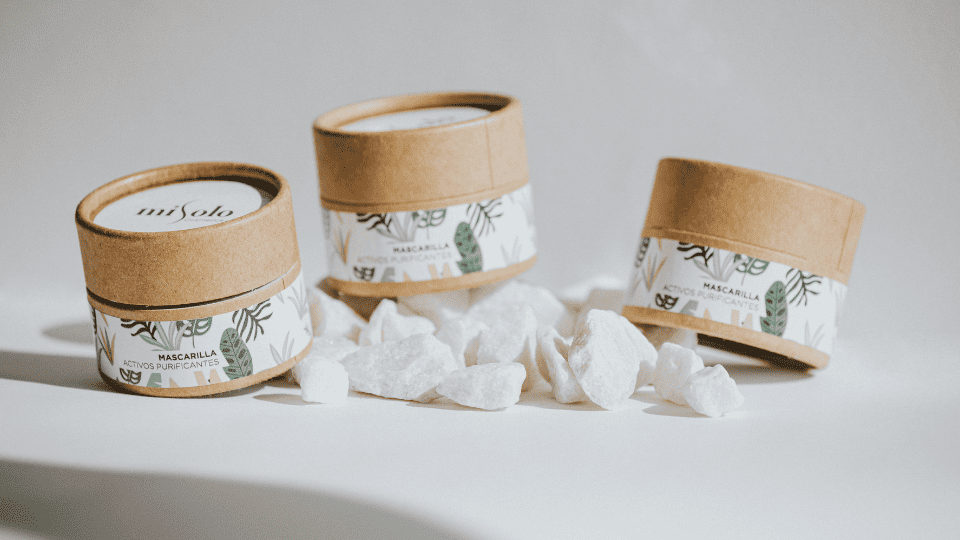
- Handmade soaps or personal-care products from local businesses.
- Small plants suitable for guests to take home.
- Reusable bags or practical everyday items.
- Locally produced snacks or packaged treats.
- Digital thank-you cards or charitable contributions in place of physical gifts.
For destination weddings, consider how easily guests can transport their favors, especially if they are traveling internationally.
Avoid excessive packaging and choose materials that can be reused, recycled, or disposed of responsibly.
7. Reduce Single-Use Plastics and Wedding Waste
Waste management is an essential part of sustainable wedding planning. Weddings can generate waste from food, packaging, flowers, decorations, and materials used only once.
Start by discussing your waste reduction plans with the wedding venue, planner, and catering team.
Practical steps include:
- Use reusable tableware instead of disposable plates and cutlery where possible.
- Provide clearly marked waste separation stations.
- Avoid unnecessary plastic packaging and single-use items.
- Use digital menus or print materials only when needed.
- Rent decorations and event equipment instead of purchasing everything new.
- Plan for the responsible handling of leftover food and floral arrangements.
Before the wedding, confirm which materials the venue can actually recycle. Recycling availability varies by location, and providing separate bins does not guarantee that materials will be processed appropriately.
A useful question to ask your wedding team is: What can be reused, donated, avoided, or responsibly recycled after the celebration?
Planning ahead makes waste reduction more practical than trying to manage everything after the event.
8. Use Natural Light and Energy-Efficient Wedding Lighting
Lighting helps create the atmosphere of a wedding, particularly during evening ceremonies and receptions.
For daytime weddings, make the most of natural daylight when planning your ceremony and reception schedule. This may reduce the need for artificial lighting in certain areas.
For evening celebrations, ask your venue about energy-efficient LED lighting and adjustable lighting levels that suit different parts of the event.
If you prefer a romantic candlelit atmosphere, consider reusable candleholders and suitable candles, subject to the venue's fire safety requirements.
However, candles are not automatically more environmentally friendly than electric lighting. Their overall impact depends on the materials used, burning time, and the energy requirements of the event.
The goal is to create the atmosphere you want while avoiding unnecessary energy consumption.
9. Consider Live Music and Responsible Sound Planning
Music brings people together and helps create memorable moments during a wedding. For intimate ceremonies and outdoor receptions, acoustic musicians can add a warm and personal atmosphere.
However, live music is not necessarily more sustainable than recorded music. The environmental impact depends on the equipment, amplification, transportation, and energy requirements involved.
If sustainability is a priority, discuss practical options with your entertainment team, such as choosing appropriately sized sound equipment, limiting unnecessary power consumption, and coordinating transportation efficiently.
For outdoor weddings in Thailand, also confirm the venue's sound restrictions and permitted event hours to ensure a smooth celebration.
10. Plan an Eco-Conscious Honeymoon
Your commitment to sustainability can continue beyond your wedding day with a honeymoon that reflects your values.
Look for accommodation providers that demonstrate responsible environmental practices rather than relying solely on sustainability claims.
Consider hotels and resorts that make efforts in areas such as:
- Energy and water conservation.
- Waste reduction and reusable amenities.
- Local food sourcing and food waste management.
- Responsible wildlife experiences.
- Local employment and community partnerships.
You can also plan a more efficient itinerary by spending longer at each destination instead of making frequent transfers between locations.
For couples celebrating their wedding in Thailand, exploring the surrounding area responsibly can be a meaningful way to extend the experience with family and friends.
No trip is entirely without environmental impact. The aim is to make informed choices based on available information and select options that better reflect your priorities.


Eco-Friendly Wedding Planning Checklist
If you are unsure where to start, use this checklist when discussing your wedding plans with your venue or wedding planner.
- Wedding venue: Ask about energy efficiency, water conservation, and waste management.
- Invitations: Choose digital invitations or responsibly sourced paper.
- Flowers and decorations: Select seasonal flowers and reusable decorative items.
- Wedding attire: Consider renting, buying pre-loved, or rewearing outfits.
- Catering: Explore local ingredients, seasonal menus, and food waste reduction.
- Wedding favors: Choose useful gifts with minimal packaging.
- Tableware: Use reusable plates, glasses, and cutlery where practical.
- Lighting: Make use of natural daylight and energy-efficient lighting.
- Transportation: Coordinate guest transfers and consider accommodation proximity.
- Honeymoon: Choose responsible accommodation and plan travel thoughtfully.
You do not need to adopt every idea on this list. Start with the changes that are most practical for your celebration, then work with your venue and vendors to determine what is achievable.
Frequently Asked Questions About Eco-Friendly Weddings
What is an eco-friendly wedding?
An eco-friendly wedding is a celebration planned with the aim of reducing environmental impact through thoughtful decisions about the venue, transportation, decorations, food, attire, and waste management.
The approach can be adapted to different wedding styles, budgets, and cultural traditions.
How can I plan an eco-friendly wedding without increasing my budget?
Start with practical changes that may reduce costs, such as sending digital invitations, reusing decorations, renting event items, and repurposing ceremony flowers for the reception.
Discuss your priorities with the venue before confirming your arrangements. Some sustainable options may cost less, while others may require a higher initial budget.
Are outdoor weddings more eco-friendly than indoor weddings?
Not necessarily. Outdoor venues can make use of natural light and existing scenery, potentially reducing the need for artificial lighting and elaborate decorations.
However, transportation, temporary structures, electricity, water use, and waste management also affect the overall environmental impact.
How can I plan a sustainable destination wedding in Thailand?
Begin by selecting a venue that can explain its sustainability practices. Ask about local food sourcing, energy and water conservation, waste management, reusable decorations, and guest transportation.
You can also coordinate guest accommodation and transfers to reduce unnecessary journeys during the celebration.
What are the best eco-friendly wedding decoration ideas?
Practical options include seasonal flowers, locally sourced greenery, potted plants, rented decorative items, reusable signage, and arrangements that can be repurposed between the ceremony and reception.
The best choice depends on your wedding style, venue, budget, and the availability of local suppliers.
Can a luxury wedding also be eco-friendly?
Yes. A luxury wedding can incorporate sustainable practices without compromising on design or the guest experience.
Thoughtful floral design, quality reusable decorations, locally sourced cuisine, carefully selected venues, and effective waste management can all contribute to an elegant celebration.
Sustainability does not require a minimalist aesthetic. It is about making considered choices that suit your wedding.
Create a Wedding That Reflects Your Values
An eco-friendly wedding does not mean giving up the details that make your celebration special. It is about making thoughtful decisions that align with your priorities, from the venue you choose to the food you serve and the way you manage waste.
For couples planning a wedding in Thailand, the country's beaches, tropical gardens, and resort venues offer many possibilities for creating a memorable celebration with a more considered approach to sustainability.
Start by identifying what matters most to you, then discuss your ideas with your venue and wedding team. With careful planning and realistic expectations, you can create a wedding that feels personal, beautiful, and meaningful.
Planning a wedding in Thailand? Explore wedding venues on WeddingInThai to discover settings for your celebration and connect with a Wedding Specialist to discuss your plans.

Discover Your Dream Wedding Venue
Explore our curated collection of hotels, resorts, and wedding venues. Browse wedding packages, photos, and venue details to find the perfect setting for your special day.
Plan Your Wedding with a Wedding Specialist
Share your vision and budget, and our Wedding Specialist will connect you directly with the venue’s wedding team to bring your dream wedding to life.
Related Content

Comprehensive guide to bridesmaids’ and groomsmen’s duties during the ceremony: pre-wedding tasks, processional roles, on-stage support, etiquette, checklists, and tips for coordinating with wedding venues and vendors.
15 Nov 2025

Learn how foreigners can have a beach wedding in Thailand, including legal requirements, documents, top destinations, costs, and planning tips.
9 Jul 2026

Many Thai-Chinese couples in Thailand may wonder how to incorporate meaningful traditions into their wedding. Wedding in Thai presents the unique
28 Jan 2025

