Engagement vs Wedding Ceremony in Thailand | WeddingInThai
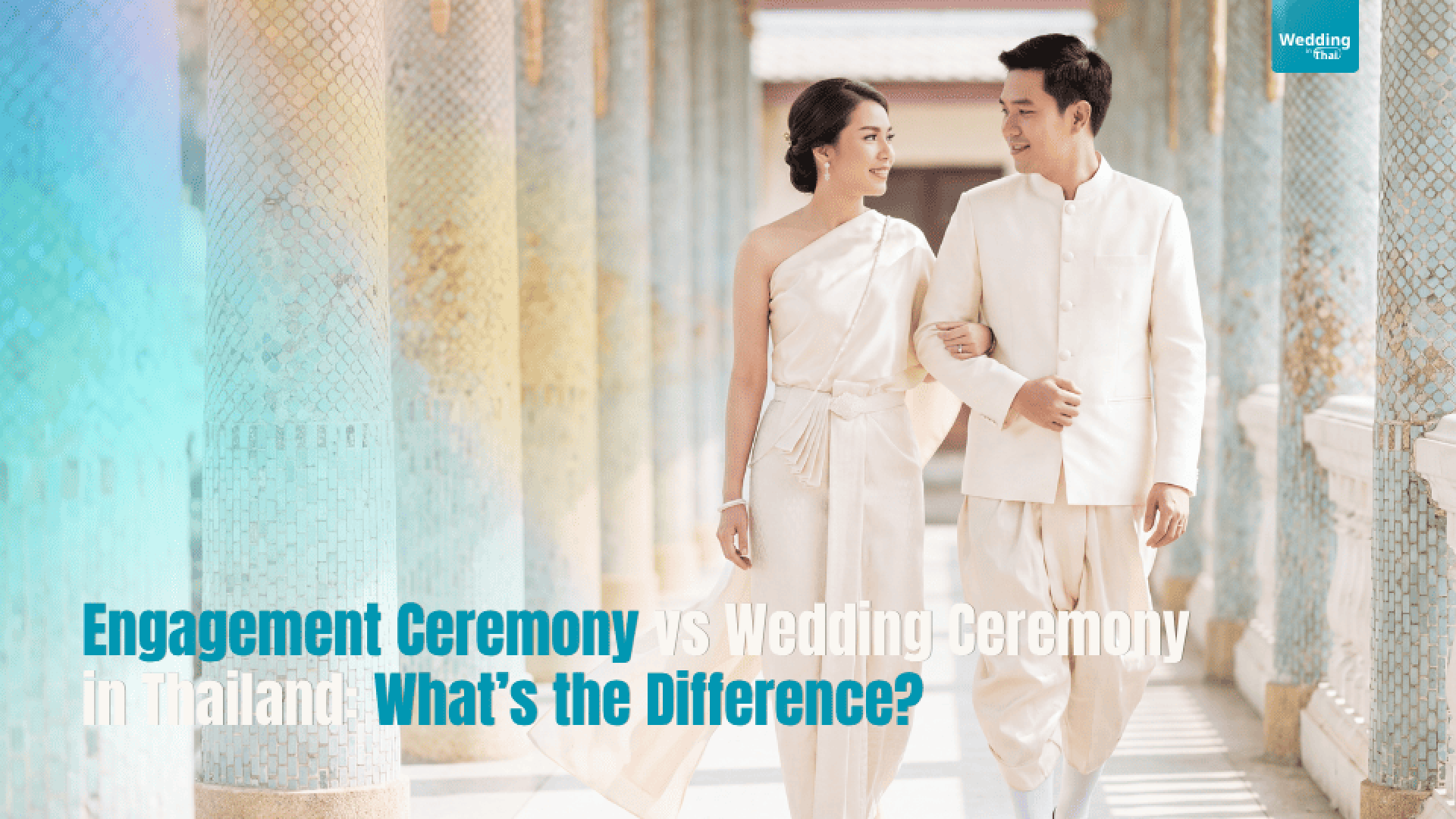
Engagement Ceremony vs Wedding Ceremony in Thailand: What’s the Difference?
When planning a wedding in Thailand, couples often wonder about the difference between an engagement ceremony and a wedding ceremony. Are they the same? Is it necessary to hold both ceremonies? And can they take place on the same day?
In Thai wedding traditions, engagement and wedding ceremonies have different meanings and purposes. An engagement ceremony traditionally marks a couple’s intention to marry, while a wedding ceremony celebrates their union through cultural customs, religious practices, or personal traditions.
Although these ceremonies can be held separately, many Thai couples choose to combine them into one celebration.
In this guide, WeddingInThai explains the meaning of Thai engagement ceremonies, the traditions associated with Thai weddings, and the key differences couples should understand when planning their wedding in Thailand.
What Is a Thai Engagement Ceremony?
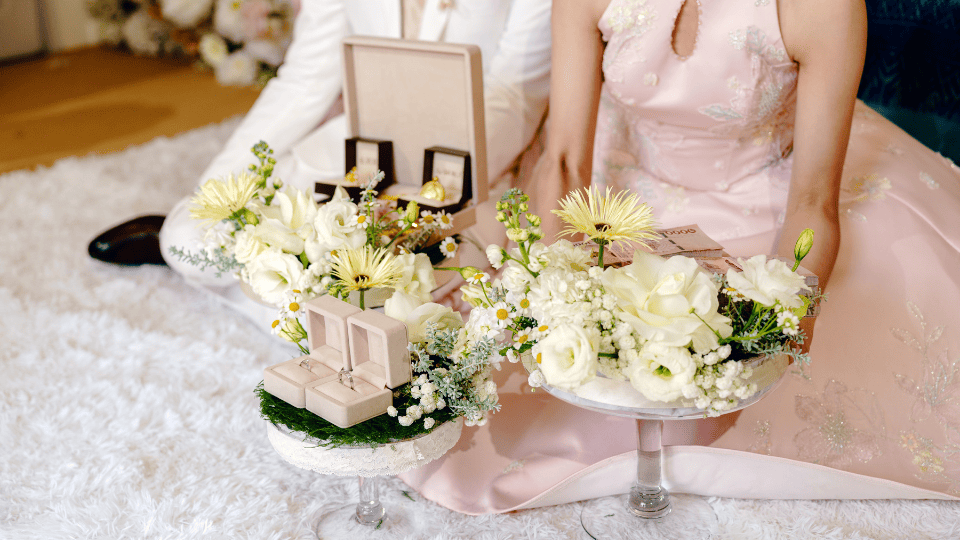
A Thai engagement ceremony is a traditional occasion that symbolizes a couple’s intention to marry. It often involves a formal proposal between families, the exchange of engagement rings, and the presentation of engagement gifts or property according to the couple’s agreements and family traditions.
Beyond the exchange of gifts, the ceremony provides an opportunity for both families to meet, share their expectations, and formally acknowledge the couple’s relationship.
The exact customs vary between families and regions, but the following elements are commonly associated with traditional Thai engagement ceremonies.
1. The Marriage Proposal and Family Agreement
In traditional Thai culture, the marriage proposal, known as kan su khor, involves discussions between the families about the couple’s intention to marry.
These discussions may include the wedding date, engagement arrangements, dowry expectations, and other details important to both families.
The proposal may take place before the engagement ceremony or form part of the ceremony itself, depending on the family’s preferences.
2. The Exchange of Engagement Rings
Engagement rings symbolize the couple’s commitment and intention to build a life together.
During the ceremony, one or both partners may exchange rings as a meaningful expression of their relationship. The format can be adapted to suit the couple’s preferences, whether they follow traditional Thai customs or incorporate modern wedding traditions.
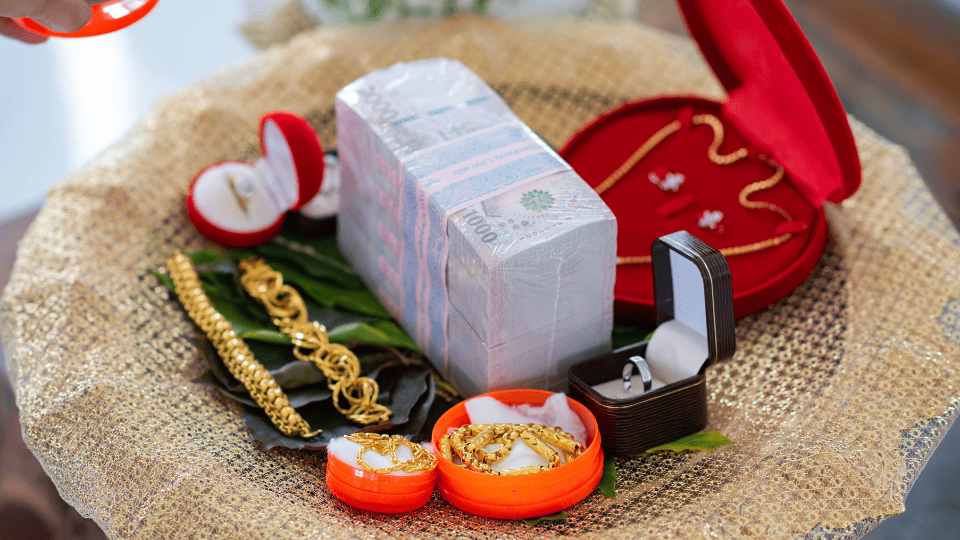
3. Sin Sod and Thongman: Understanding the Thai Dowry Tradition
Two terms commonly associated with traditional Thai engagement ceremonies are sin sod and thongman.
Sin Sod: Traditionally refers to property or money provided by the groom to the bride’s parents or guardians, according to the couple’s agreement and family customs.
Thongman: Refers to engagement property presented to the bride as part of the engagement tradition.
These customs carry cultural significance, although their meaning and practice vary among families.
The amount and form of the dowry or engagement property are matters for the couple and their families to discuss. Not every Thai couple follows the same arrangements, and some choose to adapt or omit these traditions.
4. The Khan Maak Procession
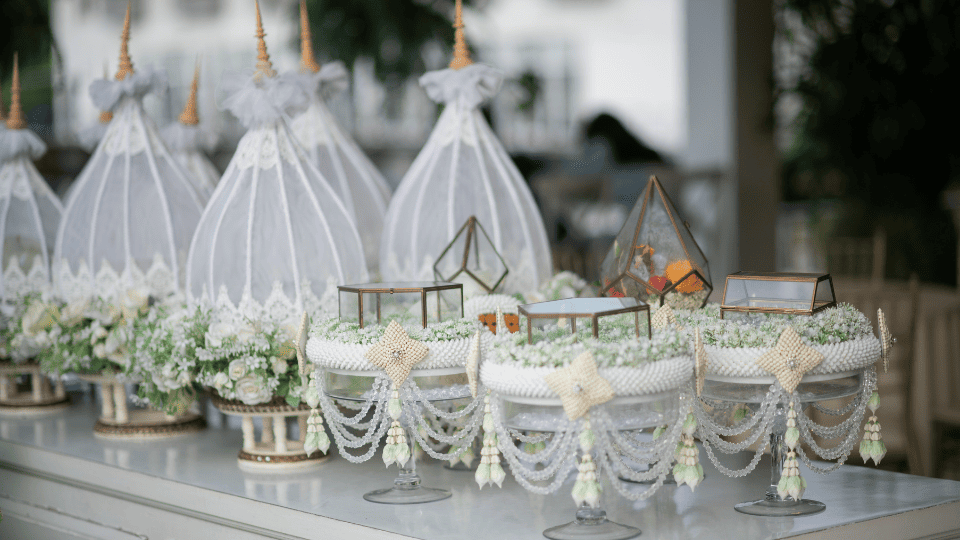
The khan maak procession is a well-known feature of traditional Thai weddings and may be incorporated into engagement-related ceremonies.
The groom and his family arrive with offerings and ceremonial items to present to the bride’s family. Depending on the wedding style, the procession may include symbolic gifts, music, traditional performances, and the familiar pratu ngoen pratu thong, or silver and gold gates.
These gates are often part of a lighthearted tradition in which the groom must pass through barriers before reaching the bride.
The procession can be elaborate or simple, depending on the couple’s preferences and family traditions.
What Is a Thai Wedding Ceremony?
A Thai wedding ceremony celebrates a couple’s union through traditions chosen by the couple and their families. Depending on their beliefs and preferences, the celebration may include Buddhist blessings, family rituals, water-pouring ceremonies, and a wedding reception.
There is no single format that every Thai couple must follow. Some prefer a traditional Thai wedding, while others combine Thai customs with Western-style ceremonies or contemporary celebrations.
Common elements of a Thai wedding include the following.
1. Buddhist Blessing Ceremony
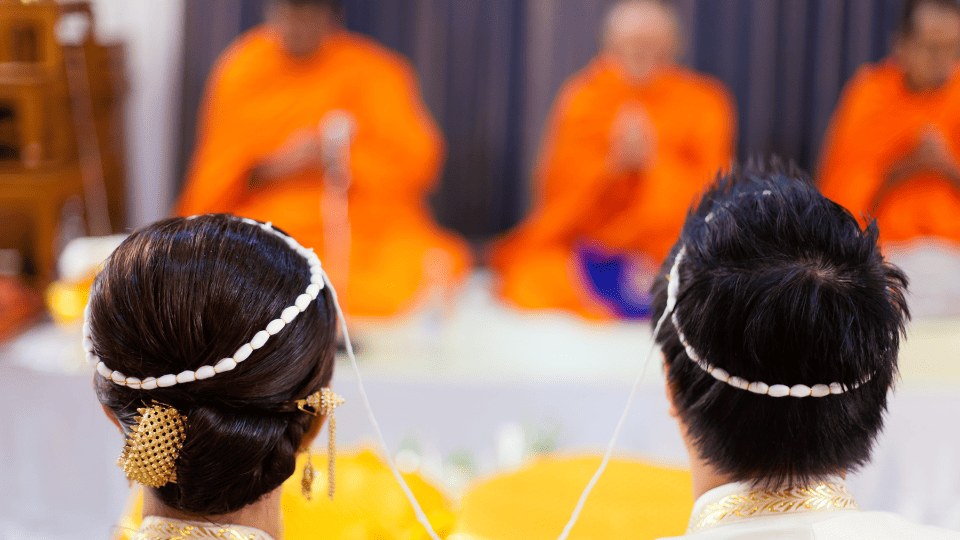
Some couples begin their wedding day with a Buddhist ceremony to seek blessings for their married life.
This may involve inviting monks to chant prayers, offering food to monks, and making merit together.
The ceremony reflects the couple’s religious beliefs and family traditions. It is not a requirement for every Thai wedding, and couples may choose whether to include it.
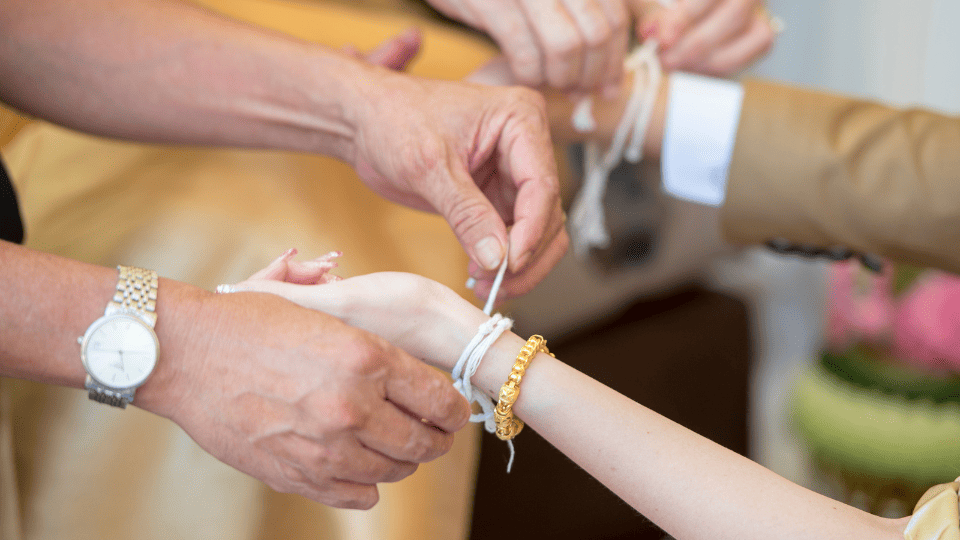
2. Paying Respect to Elders
Paying respect to elders is an important tradition in many Thai families.
During this ceremony, the couple expresses gratitude and respect to their parents, relatives, and other important people in their lives. Gifts may also be presented as a gesture of appreciation.
The ceremony represents family support and the couple’s recognition of the people who have helped them along their journey.
3. The Rod Nam Sang Water-Pouring Ceremony
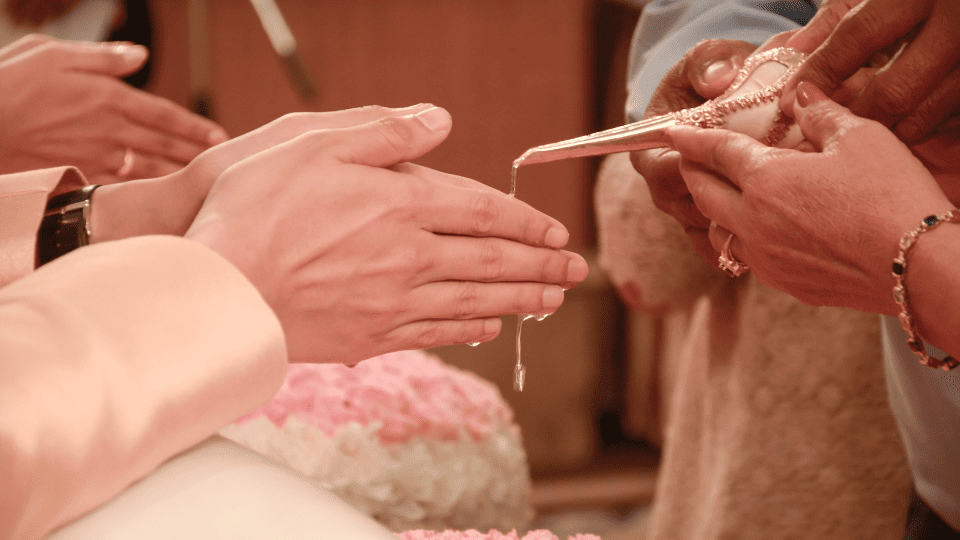
The rod nam sang, or Thai water-pouring ceremony, is one of the most recognizable traditions in a Thai wedding.
The couple sits together while invited elders and guests pour water over their hands from a ceremonial conch shell, offering blessings and good wishes for their future together.
The ceremony symbolizes goodwill, prosperity, and the support of family and friends as the couple begins married life.
The water-pouring ceremony is commonly associated with the wedding portion of the celebration, although the order and format may vary according to family traditions.
4. The Wedding Reception
The wedding reception brings together family members, friends, and invited guests to celebrate the couple’s marriage.
Reception styles range from intimate family gatherings to formal dinners, cocktail receptions, garden celebrations, and beachfront weddings.
For couples planning a destination wedding in Thailand, the reception may also become an opportunity to share the destination with their guests through local cuisine, scenic surroundings, and experiences beyond the wedding day.
When choosing a venue, couples should consider guest numbers, the ceremony format, reception arrangements, accessibility, and contingency plans for outdoor events.
Engagement Ceremony vs Wedding Ceremony: Key Differences
Although engagement and wedding ceremonies are closely connected in Thai wedding traditions, they serve different purposes.
| Category | Engagement Ceremony | Wedding Ceremony |
| Main meaning | Symbolizes the couple’s intention to marry | Celebrates the couple’s union through chosen wedding traditions |
| Main purpose | Acknowledges the engagement and may formally bring both families together | Marks the wedding celebration and may include blessings from elders Common elements |
| Common elements | Marriage proposal, engagement rings, sin sod, thongman, and possibly a khan maak procession | Buddhist blessings, paying respect to elders, water-pouring ceremony, and wedding reception |
| Participants | Often family members and close relatives | Family, relatives, friends, and invited guests |
| Timing | Scheduled according to the couple’s preferences and family customs | Scheduled according to the couple’s preferences and wedding arrangements |
| Can it be combined with the other ceremony? | Yes | Yes |
These are common practices rather than fixed requirements. Couples can adjust their ceremonies according to their cultural backgrounds, religious beliefs, family expectations, and personal preferences.
Do You Need to Hold an Engagement Ceremony Before Your Wedding?
No. Couples do not necessarily need to hold separate engagement and wedding ceremonies.
The right approach depends on their preferences, family traditions, budget, and wedding plans.
Option 1: Combine the Engagement and Wedding Ceremonies on One Day
Many couples choose to hold both ceremonies on the same day.
For example, the engagement ceremony may take place in the morning, followed by the wedding ceremony, water-pouring ceremony, and reception later in the day.
This arrangement can simplify scheduling and allow family members and guests to attend one celebration.
However, the schedule should allow enough time for each ceremony, photographs, outfit changes, and guest arrangements.
Option 2: Hold the Engagement and Wedding Ceremonies on Separate Days
Some couples prefer separate dates so that each ceremony has its own atmosphere and significance.
This option may be suitable for families with specific cultural traditions or couples who want a smaller engagement gathering followed by a larger wedding celebration.
It can also provide more flexibility when relatives are traveling from different locations.
Option 3: Have a Wedding Celebration Without a Separate Engagement Ceremony
Some couples prefer a simpler approach, choosing to celebrate their wedding without holding a separate traditional engagement ceremony.
They may include an exchange of rings, family blessings, or selected Thai customs as part of the wedding day.
Couples should discuss their plans with their families in advance, especially when particular traditions are important to them.
Important legal note: A traditional engagement ceremony or wedding celebration does not, by itself, establish a legally registered marriage in Thailand. Engagement and marriage are treated separately under Thai law. Couples seeking legal recognition of their marriage should check the applicable legal requirements and complete the required marriage registration process.
The Cultural Meaning Behind Thai Engagement and Wedding Traditions
Traditionally, engagement ceremonies have served as a formal expression of a couple’s intention to marry and an opportunity for their families to acknowledge the relationship.
The exchange of engagement property, family discussions, and the khan maak procession all reflect customs that have developed within Thai society over generations.
Wedding ceremonies, meanwhile, provide an opportunity to celebrate the couple’s union and receive blessings from family members, elders, or religious figures.
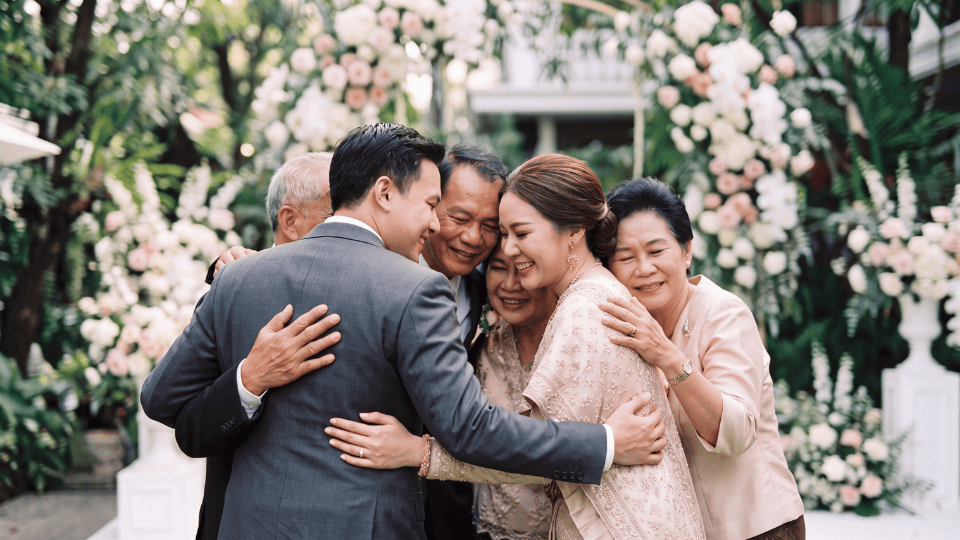
Today, Thai weddings reflect a wide range of cultural influences. Some couples preserve traditional customs, while others combine Thai ceremonies with Western wedding traditions or create celebrations that reflect their own identities.
International couples planning a destination wedding in Thailand may also choose to incorporate selected Thai traditions into their celebration, provided the arrangements suit their beliefs and preferences.
Understanding the meaning behind each ritual helps couples make informed choices and create a wedding that feels personal and meaningful.
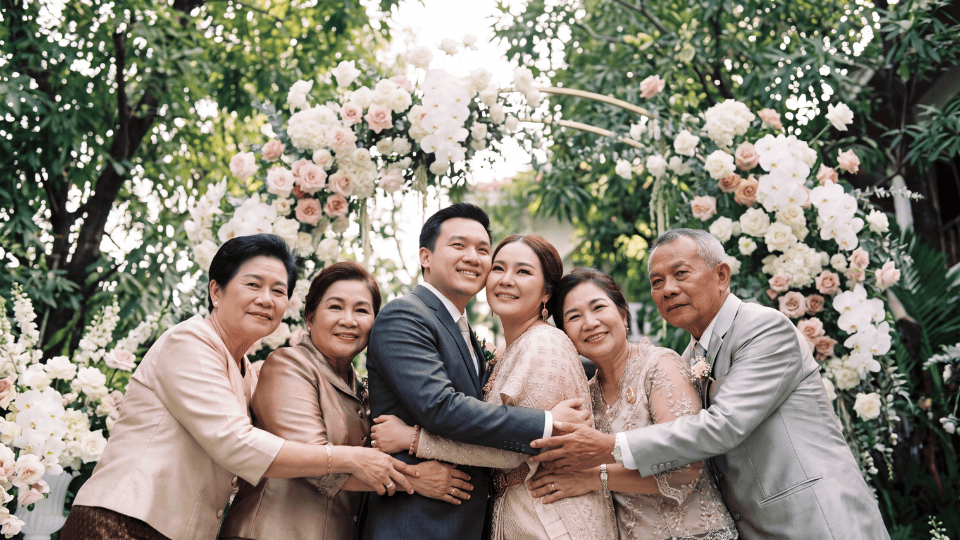
How to Plan an Engagement Ceremony and Wedding in Thailand
Once you understand the differences between the two ceremonies, the next step is to decide how you want your wedding day to unfold.
Consider the following factors when planning your celebration.
1. Decide Which Ceremonies You Want
Discuss whether you want a traditional engagement ceremony, a wedding ceremony, or both.
If you plan to incorporate Thai traditions, identify which rituals are important to you and your families.
2. Discuss Family Expectations
Talk with both families about customs, ceremony arrangements, and any expectations regarding engagement gifts or dowry traditions.
Clear communication can help prevent misunderstandings during the planning process.
3. Set a Realistic Wedding Budget
Create a budget that accounts for the ceremony, attire, decorations, catering, photography, entertainment, and reception.
If you are planning a destination wedding, remember to include accommodation, transportation, and other arrangements for traveling guests.
4. Choose a Venue That Suits Your Ceremony
Your venue should accommodate the ceremonies and activities you want to include.
For example, a traditional Thai ceremony may require a dedicated area for family rituals, while a beachfront wedding may need suitable space for the ceremony, reception, and a weather contingency plan.
Couples should also ask about venue capacity, available facilities, catering options, and the venue’s experience with their preferred wedding format.
5. Create a Clear Wedding Schedule
If you are combining several ceremonies into one day, prepare a realistic schedule that allows time for each activity.
Consider the number of participants, the duration of traditional rituals, photography, guest movement, and any outfit changes.
A well-planned schedule helps the day run smoothly while allowing the couple and their guests to enjoy the celebration.
Discover Wedding Venues in Thailand with WeddingInThai
Planning a wedding becomes easier when you have a clear idea of the ceremony you want and the atmosphere you hope to create.
WeddingInThai helps couples discover carefully curated wedding venues in Thailand and connect directly with Wedding Specialists to explore venue details and discuss their wedding plans.
Whether you are planning a traditional Thai wedding, a modern celebration, or a destination wedding by the sea, choosing a venue that suits your ceremony, guest numbers, and overall vision is an important step toward creating a memorable day.
Explore wedding venues in Thailand with WeddingInThai and start planning a celebration that reflects your story.
Frequently Asked Questions About Engagement and Wedding Ceremonies in Thailand
What is the difference between an engagement ceremony and a wedding ceremony?
An engagement ceremony traditionally symbolizes a couple’s intention to marry and may include engagement rings, family agreements, and engagement gifts. A wedding ceremony celebrates the couple’s union through cultural customs, religious practices, or personal traditions. The two ceremonies can be held separately or on the same day.
Can you have an engagement ceremony and wedding on the same day in Thailand?
Yes. Many couples combine both ceremonies into one celebration. The engagement ceremony may take place in the morning, followed by wedding rituals, a water-pouring ceremony, and a reception. The schedule can be adapted to suit the couple’s traditions and requirements.
Is a dowry required for a Thai engagement ceremony?
Sin sod is a traditional part of some Thai engagement arrangements, but practices vary between families. The amount and form of any dowry are matters for the couple and their families to discuss. Couples should distinguish cultural expectations from applicable legal requirements.
Is an engagement ceremony legally recognized as a marriage in Thailand?
No. An engagement ceremony is not the same as legal marriage registration. Couples who want their marriage to be legally recognized in Thailand must meet the applicable legal requirements and complete the required registration process.
Is the Thai water-pouring ceremony part of the engagement or wedding ceremony?
The rod nam sang water-pouring ceremony is generally associated with the wedding ceremony. Elders and guests pour water over the couple’s hands while offering blessings and good wishes. However, the exact order and format can vary between families.
Do all Thai weddings include Buddhist ceremonies?
No. Although Buddhist blessing ceremonies are common in many Thai weddings, they are not required for every couple. Wedding customs depend on religious beliefs, cultural backgrounds, and personal preferences.
What should international couples know before planning a Thai wedding?
International couples should decide which Thai traditions they want to include, discuss arrangements with their families, and confirm the venue’s experience with their preferred ceremony format. They should also check legal marriage requirements separately if they intend to register their marriage in Thailand.
How do I choose a venue for a destination wedding in Thailand?
Start by considering your guest count, budget, preferred setting, ceremony format, and travel arrangements. Compare venues based on their facilities, catering, accommodation options, accessibility, and contingency plans for outdoor ceremonies. Connecting directly with a Wedding Specialist can help you clarify the arrangements available at each venue.
Understanding the Difference Between Engagement and Wedding Ceremonies
An engagement ceremony traditionally represents a couple’s intention to marry, while a wedding ceremony celebrates their union through the traditions and experiences they choose to include.
Although these ceremonies have different meanings, couples do not necessarily need to hold them on separate days or follow every traditional custom.
The most important step is to understand the significance of each ritual, communicate openly with family members, and create a celebration that reflects your values and relationship.
For couples planning a wedding in Thailand, WeddingInThai offers a starting point for discovering wedding venues and connecting directly with Wedding Specialists.
Explore your options, find a setting that suits your vision, and begin planning your wedding in Thailand with confidence.

Discover Your Dream Wedding Venue
Explore our curated collection of hotels, resorts, and wedding venues. Browse wedding packages, photos, and venue details to find the perfect setting for your special day.
Plan Your Wedding with a Wedding Specialist
Share your vision and budget, and our Wedding Specialist will connect you directly with the venue’s wedding team to bring your dream wedding to life.