Chinese Wedding Ceremony: Traditions & Rituals
Last updated: 15 Oct 2026
5010 Views
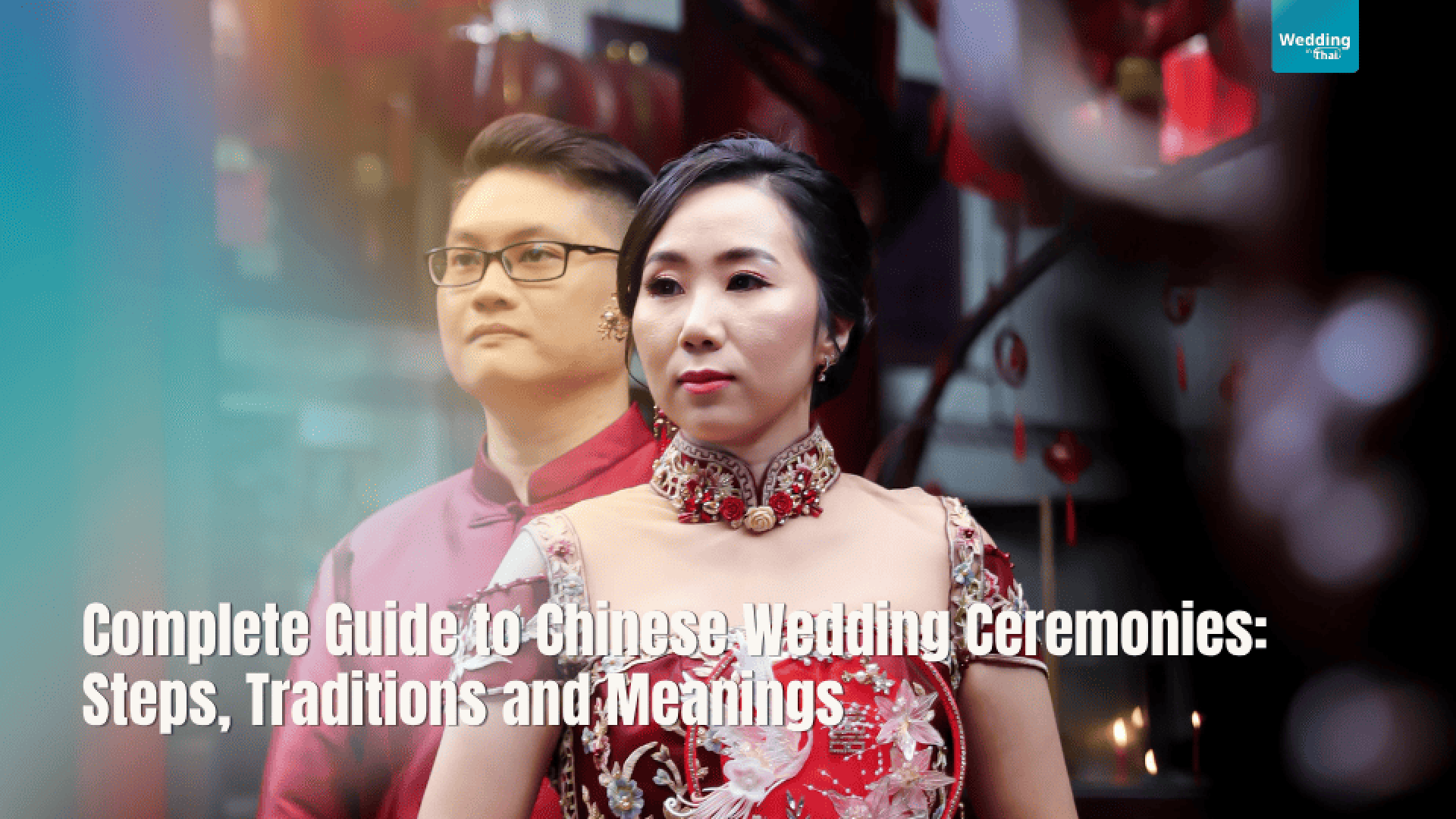
Complete Guide to Chinese Wedding Ceremonies: Steps, Traditions and Meanings
Chinese wedding ceremonies are deeply rooted in family values, cultural heritage, and symbolic traditions. From the formal exchange of betrothal gifts to the Chinese tea ceremony and wedding banquet, each ritual represents meaningful wishes for happiness, prosperity, respect, and a harmonious married life.
For couples planning a traditional Chinese wedding or incorporating Chinese customs into a modern celebration, understanding these wedding traditions can help create a ceremony that respects family expectations while reflecting their personal preferences.
Whether you are planning a wedding in Thailand, hosting a destination wedding for family and friends, or preparing a celebration that blends Chinese and Western traditions, this guide explains the main Chinese wedding ceremony steps, their meanings, and practical considerations for planning your special day.
What Happens at a Traditional Chinese Wedding?
A traditional Chinese wedding may include the following customs:
1. Guo Da Li, the formal betrothal gift exchange
2. Choosing an auspicious wedding date
3. The hair-combing ceremony
4. The bride-fetching ceremony and door games
5. The Chinese wedding tea ceremony
6. Entering the bridal chamber
7. The wedding banquet
8. Post-wedding family visits
Not every couple follows every tradition. Customs vary according to regional background, family preferences, and individual beliefs. Many modern couples choose selected rituals that are most meaningful to them.
1. Guo Da Li: The Chinese Betrothal Ceremony
Guo Da Li (过大礼) is a traditional Chinese betrothal ceremony in which the groom's family presents gifts to the bride's family before the wedding.
The exchange represents the formal recognition of the marriage arrangement, sincerity between the families, and wishes for the couple's future prosperity. It is also an opportunity for both families to discuss wedding preparations and customary expectations.
What Gifts Are Included in Guo Da Li?
Depending on family traditions and regional customs, betrothal gifts may include:
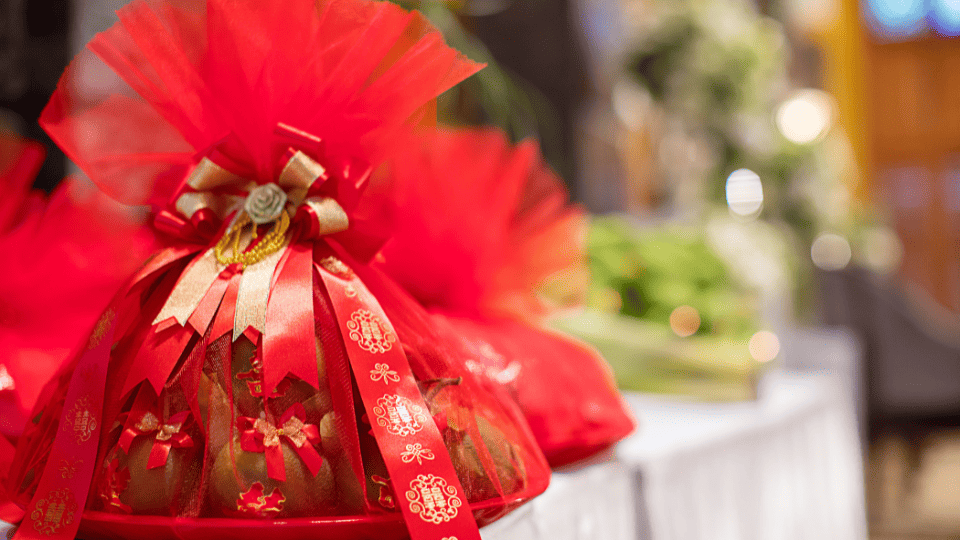
- Red gift trays or baskets
- Traditional Chinese sweets and pastries
- Fruits symbolizing good fortune
- Tea, wine, or other customary gifts
- Jewellery, gold, or other valuables
- Money presented in red envelopes
- Items agreed upon by both families
Some families include specific symbolic foods or gifts associated with fertility, abundance, and happiness.
There is no single gift list that applies to every Chinese wedding. Couples should discuss expectations with both families before purchasing items, particularly when following Cantonese, Teochew, Hokkien, Hakka, or other Chinese family traditions.
How to Prepare for Guo Da Li
Start by confirming the customary requirements with parents and elders. Agree on the gift list, presentation, timing, and any return gifts before making arrangements.
For couples planning a destination wedding in Thailand, it is also important to consider transportation, customs requirements where applicable, and how gifts will be stored or displayed at the wedding venue.
2. Choosing an Auspicious Chinese Wedding Date
Choosing an auspicious wedding date is an important consideration for many Chinese families.
Traditionally, a favourable date may be selected according to the Chinese lunar calendar, the couple's birth information, family customs, and advice from a feng shui practitioner or Chinese almanac.
The purpose is to begin married life with wishes for harmony, happiness, and good fortune.
What Should Couples Consider When Choosing a Date?
Before confirming a wedding date, consider the following:
- Family preferences and important traditional dates
- Availability of the wedding venue
- Travel arrangements for relatives and overseas guests
- Seasonal weather conditions at the destination
- Accommodation availability and overall wedding budget
- The availability of photographers, planners, and other wedding professionals
Couples planning a destination wedding in Thailand should balance cultural preferences with practical considerations. If an auspicious date is especially important to the family, confirm the date before making non-refundable venue or travel bookings.
3. The Chinese Hair-Combing Ceremony
The hair-combing ceremony, often called Shang Tou (上头), is a traditional pre-wedding ritual observed in some Chinese communities.
It is commonly held on the evening before the wedding. A respected elder, traditionally someone considered fortunate in marriage and family life, combs the bride's or groom's hair while offering blessings for adulthood, marital happiness, longevity, and family prosperity.
What Happens During the Hair-Combing Ceremony?
The exact ritual varies, but preparations may include:
1. Preparing a clean space and traditional ceremonial items.
2. Having the bride or groom bathe and dress in suitable clothing.
3. Inviting a respected elder to perform the hair-combing ritual.
4. Combing the hair while reciting traditional blessings.
5. Presenting symbolic items or lighting candles or incense where customary.
Some traditions include specific numbers of combing strokes and blessing phrases. These details should be confirmed with the family because the ritual is not identical across all Chinese communities.
For modern couples, the ceremony can be a private family gathering before the wedding day, offering an opportunity to preserve a meaningful tradition in an intimate setting.
4. The Bride-Fetching Ceremony and Door Games
The bride-fetching ceremony, known by terms such as Ying Qin (迎亲), is a traditional wedding custom in which the groom and his party visit the bride's home before bringing her to the next stage of the celebration.
In some modern Chinese weddings, the bride's friends or family arrange door games. These light-hearted challenges may involve answering questions, completing tasks, or presenting symbolic gifts before the groom is allowed to enter.
What Is the Meaning of Door Games?
Door games are intended to create a joyful atmosphere and add a playful element to the wedding morning. They are also associated with the groom demonstrating his sincerity and enthusiasm.
The games are not compulsory. Couples can adapt them to suit their personalities, family expectations, and preferred wedding style.
Planning Tips for the Bride-Fetching Ceremony
If the ceremony takes place at a hotel or resort, confirm the arrangements with the venue in advance.
Consider the following:
- Whether the room or preparation area is suitable for the ceremony
- The time needed for games, photographs, and family interactions
- Transport between the preparation location and ceremony venue
- Any venue rules concerning decorations, noise, or shared spaces
- A realistic schedule for the remaining wedding events
For destination weddings, a clear timeline helps the couple and their guests move between locations without unnecessary delays.
5. The Chinese Wedding Tea Ceremony: Jing Cha
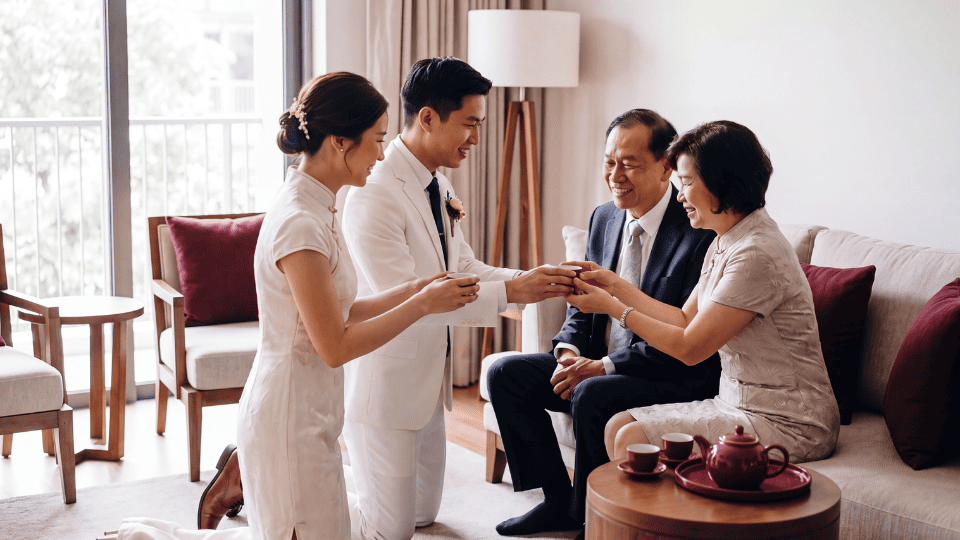
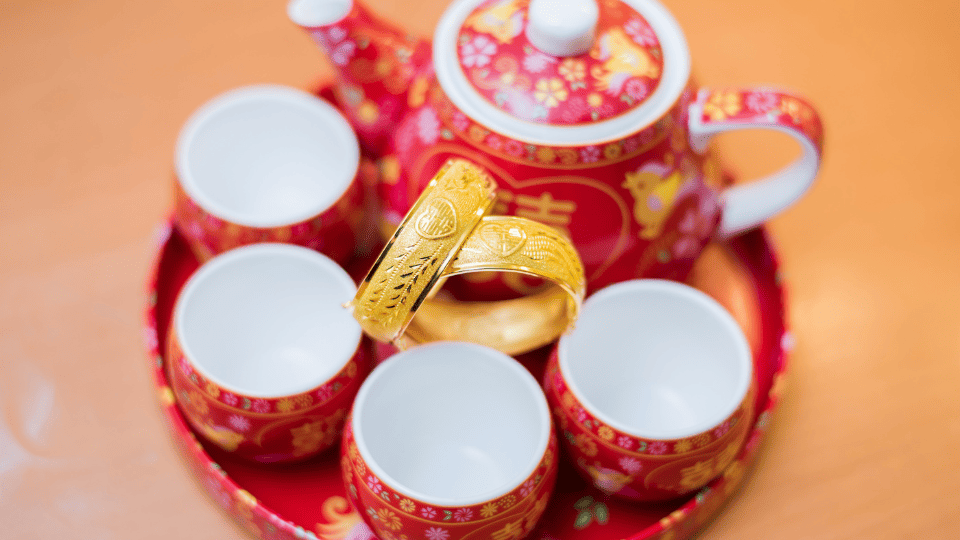
The Chinese wedding tea ceremony, known as Jing Cha (敬茶), is one of the most meaningful rituals in many Chinese weddings.
During the ceremony, the couple serves tea to parents and other senior family members as a gesture of respect, gratitude, and recognition of their new family relationships.
In return, elders may offer blessings, advice, jewellery, or red envelopes known as hongbao (红包).
What Is the Meaning of the Tea Ceremony?
The tea ceremony represents respect for parents and elders, gratitude for their care, and the joining of two families.
It can also mark the formal introduction of the couple into each other's families.
For many couples, this ritual is especially meaningful because it creates a quiet moment of connection between generations before or during the wedding celebration.
How to Arrange a Chinese Tea Ceremony
Although the exact order varies, the ceremony generally involves the following steps:
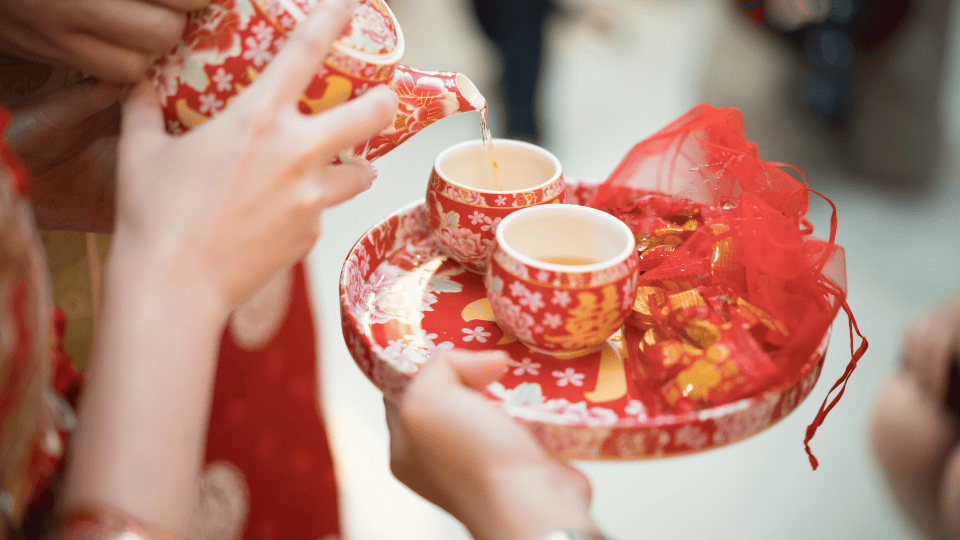
1. Prepare tea, cups, a serving tray, and any customary ceremonial items.
2. Arrange seating for parents and participating elders.
3. Confirm the order in which the couple will serve tea.
4. Have the couple serve tea and offer respectful words or greetings.
5. Allow elders to respond with blessings, gifts, or advice.
6. Thank the family and continue with the next part of the celebration.
The order of serving tea differs between families and communities. Couples should confirm the sequence with their parents rather than assuming that one arrangement applies to every wedding.
What Should Couples Prepare?
A tea ceremony checklist may include:
- Tea and suitable tea cups
- A serving tray
- Red envelopes or gifts, if customary
- Seating for parents and elders
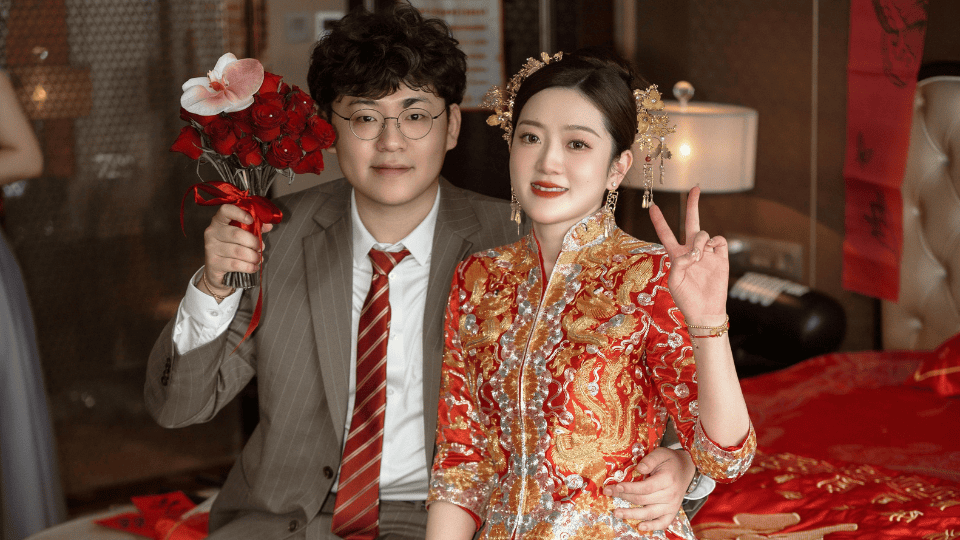
- Appropriate attire, such as a qipao or another traditional outfit
- A photographer familiar with the ceremony
- A designated family member or coordinator to guide the sequence
If the tea ceremony takes place at a hotel or resort, inform the wedding coordinator about the setup, furniture, timing, and any special requirements.
6. Entering the Bridal Chamber
In some traditional Chinese weddings, rituals associated with entering the bridal chamber symbolize the beginning of the couple's married life.
Depending on the family's customs, these practices may involve symbolic foods, red decorations, candles, or blessings from elders. Certain items traditionally represent fertility, prosperity, harmony, or hopes for future generations.
These customs are not universal, and many modern couples choose not to include them.
If the couple wishes to observe this tradition, it is helpful to discuss the ritual with family members beforehand and decide which elements are personally meaningful.
For destination weddings, simple arrangements in a private suite can provide an appropriate setting without requiring an elaborate additional event.
7. The Chinese Wedding Banquet
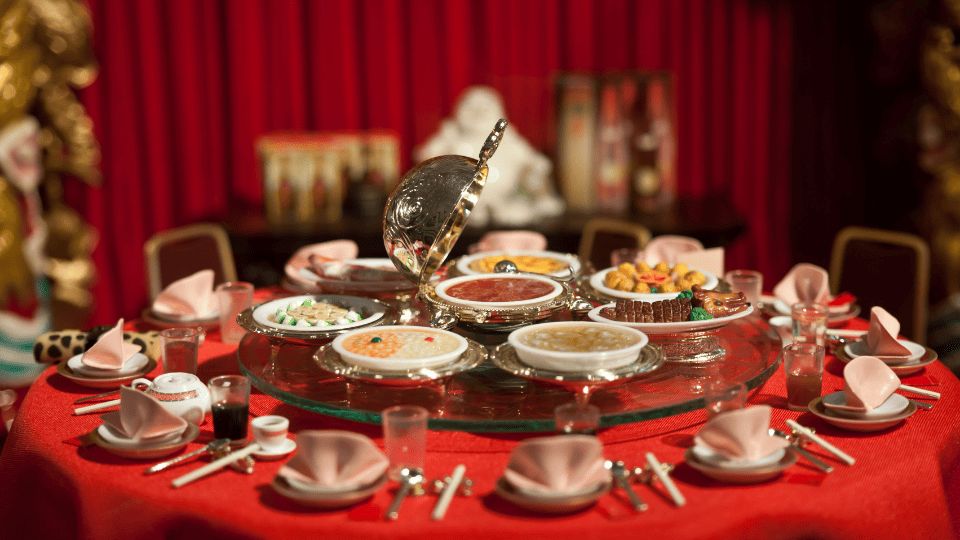
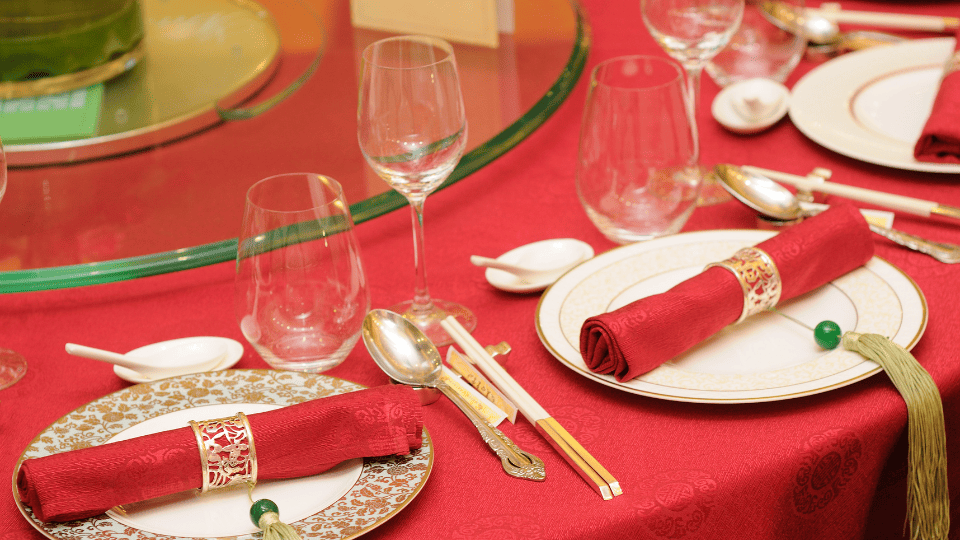
The Chinese wedding banquet, commonly called Xi Yan (喜宴), is a celebratory meal held for family members, friends, and invited guests.
It is an important social occasion that allows the couple's families to celebrate the marriage and welcome guests who have come to share in the occasion.
Traditional banquets may include multiple courses, formal toasts, speeches, and symbolic foods. Modern celebrations can range from a large hotel banquet to an intimate dinner at a restaurant or resort.
Common Chinese Wedding Banquet Traditions
Food often carries symbolic meaning in Chinese wedding celebrations.
Examples include:
- Whole fish: Often associated with abundance and prosperity.
- Long noodles: Associated with longevity and long-lasting happiness.
- Whole chicken or poultry: May symbolize family unity and completeness in certain traditions.
- Sweet dishes: Often express wishes for a sweet and harmonious married life.
- Red decorations: Commonly associated with happiness, celebration, and good fortune.
Specific dishes and their meanings vary across Chinese communities. Couples should consult their families and catering team when designing a menu that reflects their heritage.
How to Plan a Chinese Wedding Banquet in Thailand
Thailand offers a range of wedding settings, including luxury hotels, beachfront resorts, private villas, and restaurants suitable for different celebration styles.
When choosing a venue, consider the following:
- Guest capacity: Confirm the number of guests and whether the venue can accommodate the preferred seating arrangement.
- Cuisine: Ask whether the kitchen can prepare the desired Chinese banquet menu or accommodate a specialist catering team.
- Ceremony space: If the tea ceremony and banquet take place at the same venue, confirm the available space and transition time.
- Weather and backup arrangements: For outdoor celebrations, ask about covered areas and indoor alternatives.
- Guest accommodation: Destination weddings may require room blocks or coordinated accommodation for travelling relatives.
- Cultural details: Discuss red decorations, ceremonial displays, banquet protocols, and other family requirements with the wedding coordinator.
Planning these details early helps the celebration remain culturally meaningful while giving guests a comfortable experience.
8. Post-Wedding Visits and Family Traditions
Some Chinese wedding traditions continue after the wedding day.
One example is the post-wedding visit to the bride's family, commonly known in some traditions as Hui Men (回门). The visit may take place a few days after the wedding, depending on family customs.
The occasion allows the newlyweds to reconnect with relatives, express gratitude, and maintain relationships between both families.
Other post-wedding customs may involve returning certain gifts, sharing a family meal, or following practices specific to the couple's regional heritage.
Because these traditions differ, couples should confirm the expected arrangements with their families before finalizing travel plans or scheduling additional celebrations.
Chinese Wedding Symbols and Their Meanings
Traditional Chinese weddings often incorporate colours, characters, decorative motifs, and ceremonial gifts that express wishes for a happy marriage.
- Red Happiness, celebration, good fortune, and auspicious beginnings
- Double Happiness (囍) Marital joy and the union of two people
- Dragon and Phoenix Harmony, auspicious pairing, and marital prosperity
- Hongbao (红包) Blessings, good fortune, and prosperity
- Betrothal gifts Sincerity, respect, and commitment between families
- Tea ceremony Respect for elders, gratitude, and family unity
- Auspicious wedding date A hopeful beginning for married life
Symbolic meanings can vary by region and family tradition. Couples can incorporate selected motifs into their ceremony, stationery, floral arrangements, or reception styling without needing to follow every traditional practice.
Practical Checklist for Planning a Chinese Wedding
Use this checklist to organize the main elements of your celebration.
Before the Wedding
- Discuss family expectations and preferred traditions.
- Confirm the auspicious wedding date, if required.
- Agree on Guo Da Li gifts and arrangements.
- Select the wedding venue and confirm guest capacity.
- Book accommodation and transport for travelling guests.
- Choose wedding attire and accessories.
- Confirm whether a hair-combing ceremony will take place.
During the Wedding
- Prepare the tea ceremony items and confirm the order of serving.
- Coordinate the bride-fetching ceremony and door games, if included.
- Confirm the banquet menu and symbolic dishes.
- Prepare hongbao and ceremonial gifts, where customary.
- Arrange photography and videography for important rituals.
- Brief the venue coordinator, planner, and emcee on the ceremony schedule.
After the Wedding
- Confirm any post-wedding visits or family meals.
- Arrange transport and accommodation for relatives, if needed.
- Return or exchange customary gifts according to family traditions.
- Thank family members and guests who helped with the celebration.
Can You Combine a Traditional Chinese Wedding with a Modern Destination Wedding?
Yes. Many couples combine traditional Chinese wedding rituals with contemporary wedding styling, Western ceremonies, or destination celebrations.
For example, a couple may hold a tea ceremony with their immediate family in the morning, exchange vows in a garden or by the beach in the afternoon, and celebrate with a Chinese-inspired banquet or reception in the evening.
The key is to decide which traditions are most important to the couple and their families, then build a realistic schedule around them.
For couples planning a wedding in Thailand, the venue should be able to accommodate the ceremony requirements, guest experience, and preferred celebration style.
Before confirming a booking, discuss the following with the venue or its Wedding Specialist:
- Available spaces for traditional ceremonies and receptions
- Indoor and outdoor options
- Catering arrangements and menu flexibility
- Setup and decoration requirements
- Photography access and event timing
- Accommodation for family members and overseas guests
A well-planned celebration can preserve meaningful family traditions while creating a wedding experience that feels personal to the couple.
Frequently Asked Questions About Chinese Wedding Ceremonies
What are the main steps in a traditional Chinese wedding?
Common customs include Guo Da Li, choosing an auspicious date, a hair-combing ceremony, bride-fetching rituals, the Chinese tea ceremony, entering the bridal chamber, the wedding banquet, and post-wedding family visits. The exact sequence varies by family and regional tradition.
What is Guo Da Li in a Chinese wedding?
Guo Da Li is a traditional betrothal gift exchange in which the groom's family presents agreed-upon gifts to the bride's family. It symbolizes sincerity, respect, and the formal recognition of the marriage arrangement.
What is the purpose of the Chinese wedding tea ceremony?
The tea ceremony allows the couple to show respect and gratitude to parents and elders. Family members may respond with blessings, advice, jewellery, or red envelopes.
Why do Chinese weddings traditionally use red?
Red is widely associated with happiness, celebration, good fortune, and auspicious beginnings in Chinese wedding traditions. It is often incorporated into wedding attire, decorations, gift packaging, and ceremonial accessories.
Is a Chinese tea ceremony necessary for every Chinese wedding?
No. The tea ceremony is an important tradition for many Chinese families, but not every couple follows the same customs. Couples can discuss family expectations and choose the rituals that are meaningful to them.
Can we have a Chinese wedding ceremony in Thailand?
Yes. Couples can incorporate Chinese wedding customs into celebrations at hotels, resorts, private villas, and other suitable venues in Thailand. Confirm the venue's ceremony spaces, catering options, setup requirements, and event schedule before booking.
Can we combine Chinese wedding traditions with a Western wedding?
Yes. Many couples combine a Chinese tea ceremony or family rituals with a Western vow ceremony and a modern reception. The schedule can be adapted to suit family preferences, guest needs, and the selected venue.
Plan a Meaningful Wedding in Thailand with WeddingInThai
A Chinese wedding is an opportunity to honour family traditions while celebrating the beginning of a new chapter together.
Whether you are planning a traditional tea ceremony, a Chinese wedding banquet, or a destination wedding that combines cultural rituals with a modern celebration, thoughtful preparation can help bring your vision to life.
WeddingInThai connects couples with carefully curated wedding venues and Wedding Specialists to help them explore suitable settings and plan their celebrations in Thailand.
Explore wedding venues across Phuket, Koh Samui, Koh Phi Phi, Koh Kood, and Kui Buri, and discover options for creating a wedding that reflects your traditions, preferences, and plans for the future.
Start planning your wedding with WeddingInThai and find a venue that suits your celebration.

Discover Your Dream Wedding Venue
Explore our curated collection of hotels, resorts, and wedding venues. Browse wedding packages, photos, and venue details to find the perfect setting for your special day.
Plan Your Wedding with a Wedding Specialist
Share your vision and budget, and our Wedding Specialist will connect you directly with the venue’s wedding team to bring your dream wedding to life.
Related Content

In-depth guide to wedding ceremonies in Thailand: learn the steps, rituals, symbolism, and practical planning tips for Buddhist, Christian, and Islamic weddings plus etiquette and FAQs.
4 Nov 2025

Discover luxury private villa weddings in Koh Samui for Singapore couples. Enjoy ocean views, privacy, and an unforgettable destination wedding.
25 Jun 2026

Couples seeking an auspicious engagement date to strengthen love and stability a detailed guide covering date/time selection, astrology considerations, coordinating with the wedding venue, and an actionable checklist for a meaningful engagement ceremony.
9 Nov 2025

