Wedding Feng Shui: How to Arrange Your Wedding Stage
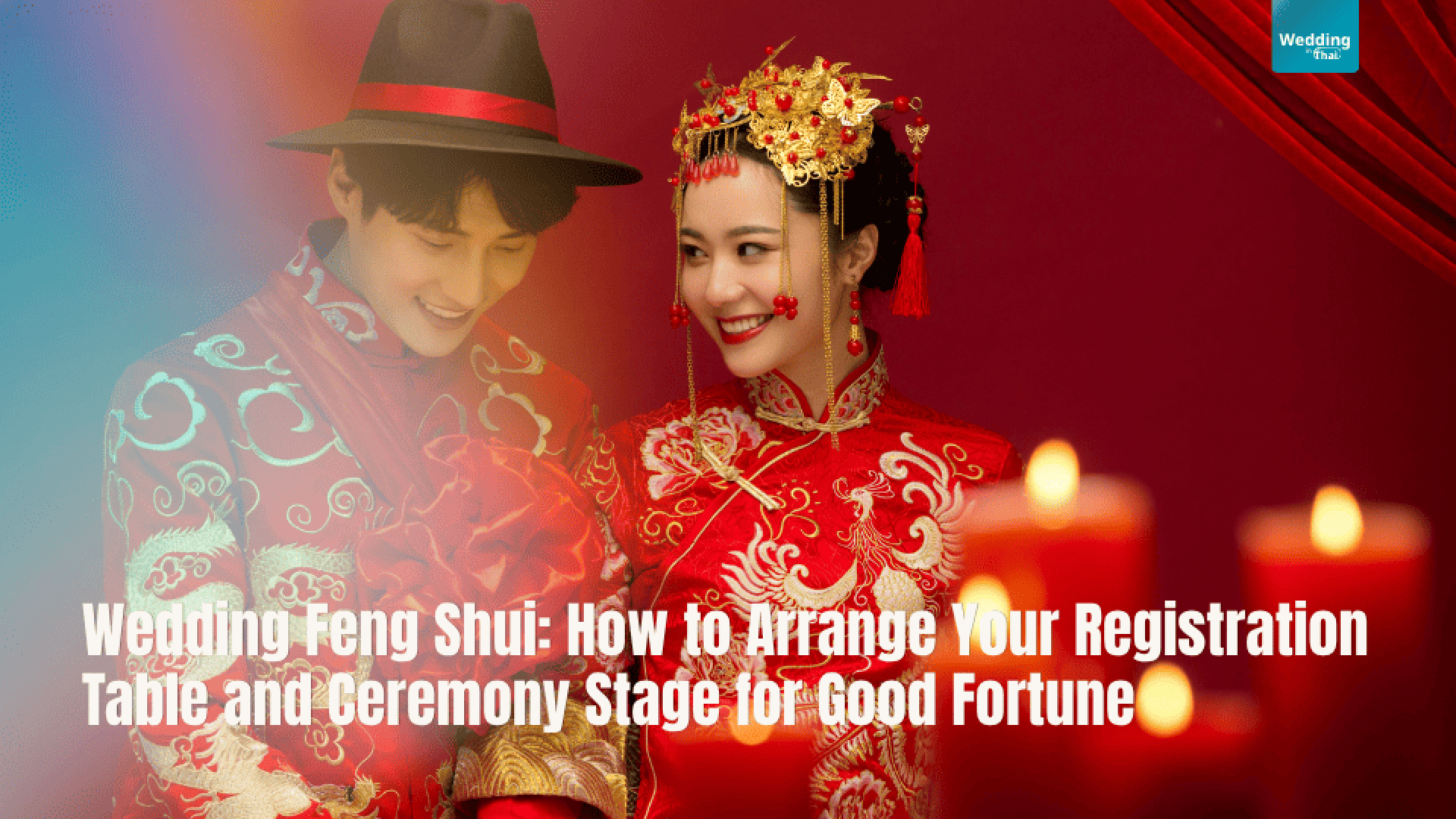
Wedding Feng Shui: How to Arrange Your Registration Table and Ceremony Stage for Good Fortune
A wedding is an important milestone that marks the beginning of a couple's life together. Beyond choosing a beautiful venue and elegant decorations, many couples also consider feng shui when planning their wedding ceremony.
In traditional Chinese philosophy, feng shui emphasizes the relationship between people and their surroundings, including spatial arrangement, direction, balance, and the flow of energy. These principles can inspire wedding layouts that feel welcoming, harmonious, and thoughtfully designed.
From positioning the registration table to arranging the ceremony stage, seating, lighting, and decorative elements, careful planning can help create a comfortable atmosphere for both the couple and their guests.
In this guide, WeddingInThai explores practical wedding feng shui ideas that couples can adapt to different wedding venues and styles, including destination weddings in Thailand.
What Is Wedding Feng Shui?
Wedding feng shui applies traditional feng shui concepts to the design and arrangement of a wedding space. It focuses on balance, harmony, direction, and the relationship between different elements within the environment.
When planning a wedding, couples can consider four main principles.
1. The Flow of Qi
Qi, also spelled Chi, refers to the flow of energy in traditional Chinese philosophy. In wedding planning, this concept can inspire open walkways, uncluttered entrances, and layouts that allow guests to move comfortably between different areas.2. Balance and Harmony
A balanced wedding layout brings together the ceremony stage, registration table, guest seating, and decorative elements without making any area feel overcrowded or disconnected.
3. Colors and Natural Elements
Colors, flowers, fabrics, wood, and other decorative materials can be selected to create a cohesive atmosphere. Couples who follow traditional Chinese beliefs may also incorporate the five elements: wood, fire, earth, metal, and water.
4. Auspicious Directions
Some couples choose specific directions according to their personal feng shui beliefs. Since recommendations can vary between feng shui schools and individual circumstances, couples seeking personalized guidance may wish to consult a qualified practitioner.
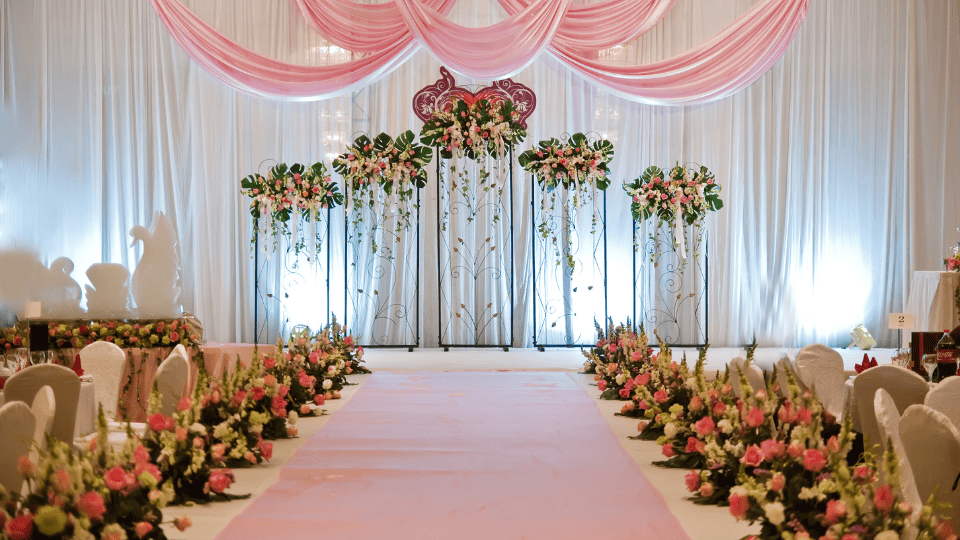
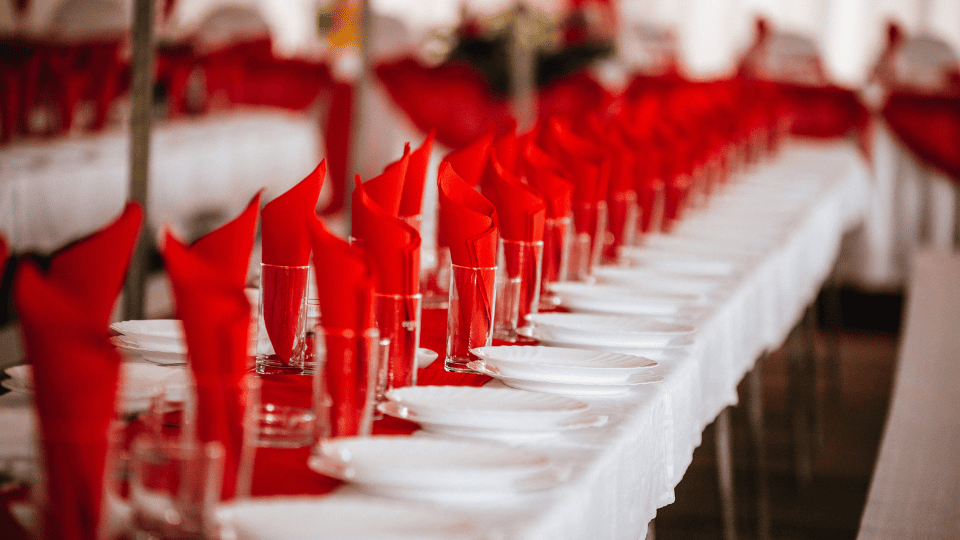
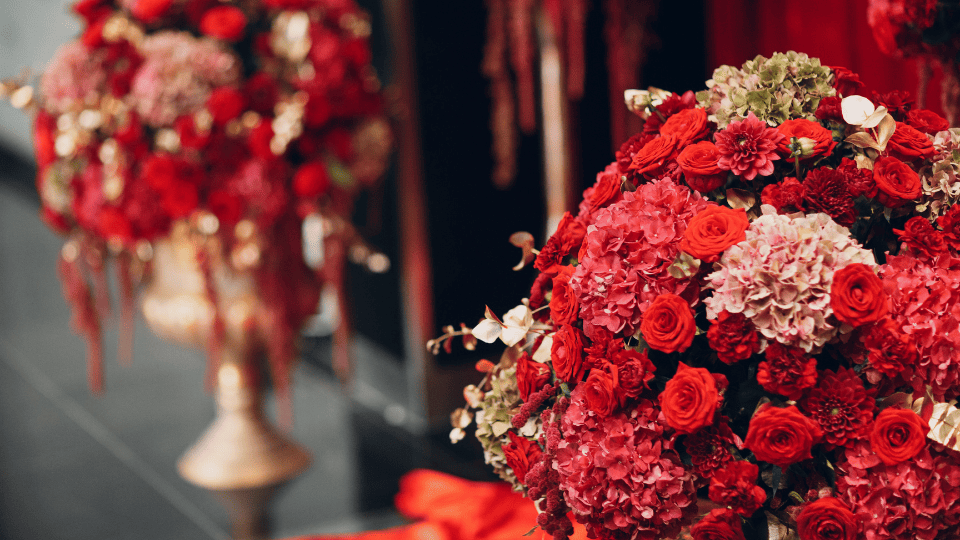
In every case, the venue's layout, safety requirements, and guest comfort should remain important considerations.
1. How to Arrange a Wedding Registration Table According to Feng Shui
The registration table is often the first point of contact for guests arriving at a wedding. Its position influences the arrival experience and helps establish the atmosphere for the celebration.Where Should the Wedding Registration Table Be Placed?
Ideally, the registration table should be near the main entrance and easy to identify as soon as guests arrive.From a practical perspective, this allows guests to check in without confusion. From a feng shui perspective, an inviting and unobstructed entrance reflects the principle of maintaining a smooth flow of energy.
Consider the following tips:
- Position the table where guests can see it easily from the entrance.
- Keep doorways and main walkways clear.
- Allow enough space for guests to queue without blocking other visitors.
- Avoid poorly lit corners or areas crowded with furniture.
- Provide a clear route from registration to the reception area or ceremony space.
Which Direction Should the Registration Table Face?
There is no single direction that can be considered universally auspicious for every wedding registration table.
Traditional feng shui recommendations may depend on the method being followed and the circumstances of the individuals involved.
If a specific direction is important to the couple or their families, consult a feng shui practitioner before finalizing the floor plan.
Otherwise, prioritize visibility, comfortable lighting, and an arrangement that allows guests to approach and leave the table easily.
What Should You Place on a Wedding Registration Table?
Decorative elements can make the registration area feel welcoming while reflecting the couple's preferred wedding style.
Consider incorporating:
- Fresh flowers: Add natural beauty and symbolize growth and new beginnings.
- A welcome sign: Display the couple's names to help guests identify the registration area.
- A guestbook or digital registration device: Keep essential items organized and accessible.
- Gold or red accents: Introduce traditional Chinese wedding colors if they suit the celebration.
- Natural fabrics and wooden details: Create a warm and inviting atmosphere.
Avoid placing tall decorations directly between guests and registration staff, as these can obstruct conversation and make the table less functional.
If candles are part of the design, check the venue's fire safety regulations and consider safer alternatives where necessary.
2. How to Arrange a Wedding Ceremony Stage for Good Fortune
The wedding stage is one of the main focal points of the celebration. It may be used for exchanging rings, delivering speeches, performing traditional rituals, and taking photographs.
A well-planned stage should complement the venue while allowing guests to see and participate in the ceremony comfortably.
Where Should the Wedding Stage Be Positioned?
Choose a location where most guests can see the couple clearly without pillars, decorations, or other obstacles blocking their view.
For indoor weddings, check the sightlines from the front, sides, and back of the room before confirming the layout.
For outdoor weddings, consider sunlight, wind direction, ground conditions, and the possibility of rain.
From a feng shui perspective, a balanced and uncluttered arrangement can support a sense of harmony. However, the most appropriate direction for a particular couple may require separate consideration under their preferred feng shui principles.
How High Should a Wedding Stage Be?
The appropriate stage height depends on the room size, guest count, ceremony format, and venue design.
For a small or medium-sized wedding, a stage approximately 30–60 centimeters high may be a useful starting point for planning. This is a general design reference rather than a feng shui rule or universal requirement.
Before confirming the height, consider whether:
- Guests can see the couple clearly.
- The couple can enter and leave the stage safely.
- There is sufficient room for the officiant and ceremony participants.
- Photographers have suitable positions.
- The stage feels proportionate to the room rather than overwhelming the space.
The goal is to make the ceremony visible and engaging without creating unnecessary distance between the couple and their guests.
How to Choose a Wedding Stage Backdrop
A wedding backdrop helps establish the visual identity of the ceremony.
Depending on the wedding style, couples may choose flowers, fabric panels, wooden details, elegant metallic accents, or a combination of materials.
For a feng shui-inspired wedding, consider the balance of shapes, colors, and decorative elements rather than concentrating too many features in one area.
Keep these points in mind:
- Make the couple's names or wedding signage easy to read.
- Avoid decorations that obstruct the couple's faces.
- Ensure that structures are stable and securely installed.
- Avoid sharp decorative edges in areas where people move.
- Choose colors and materials that complement the venue.
A thoughtfully designed backdrop does not need to be elaborate. Simple, well-balanced arrangements can create an elegant focal point without overwhelming the ceremony space.
3. Wedding Aisle and Guest Seating Arrangement
The wedding aisle and seating plan affect both the visual experience of the ceremony and the movement of guests throughout the venue.
A clear, open layout also reflects the feng shui concept of maintaining an unobstructed flow of energy.
How to Arrange the Wedding Aisle
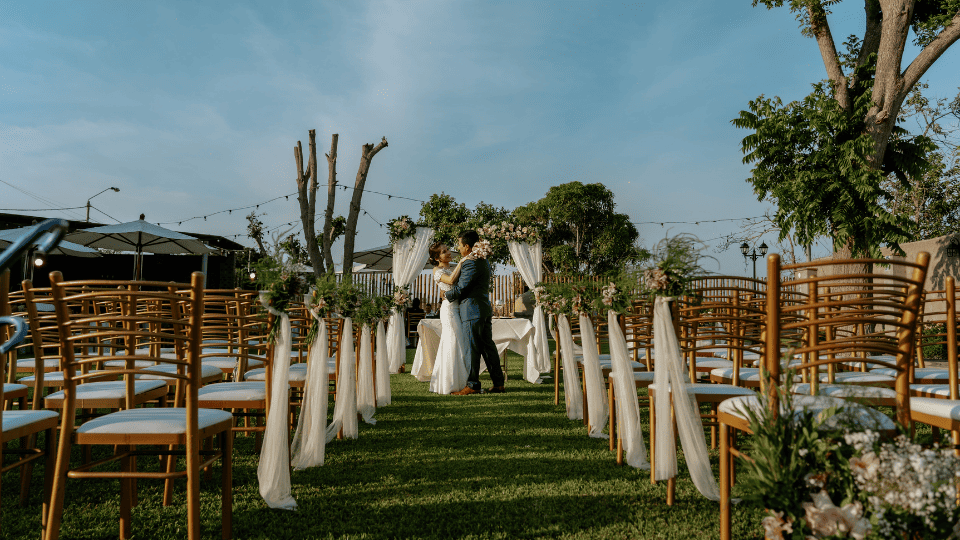
The aisle should provide a clear route for the couple to walk toward the ceremony stage.
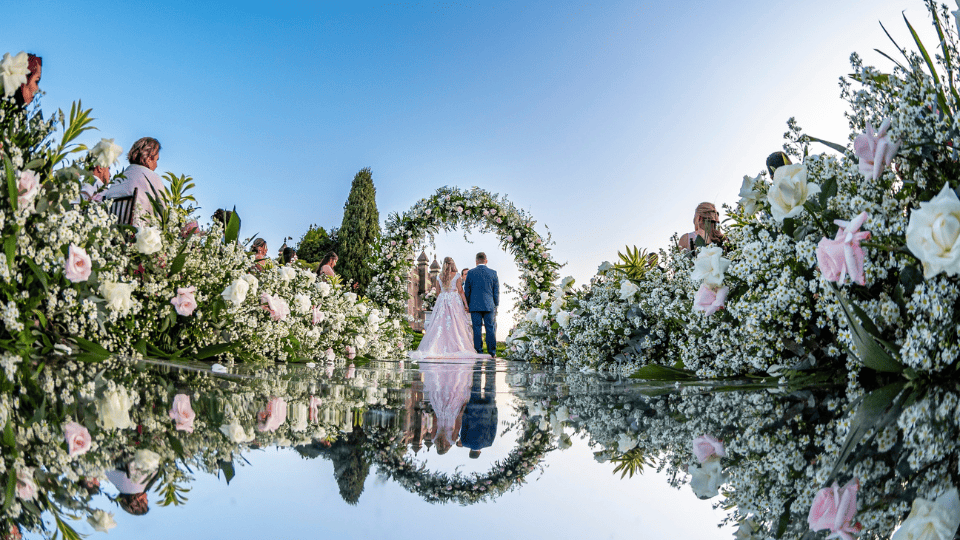
Flowers, candles, and other decorative elements can frame the aisle, but they should not interfere with movement or block guests' views.
For outdoor weddings, check the walking surface carefully. Grass, sand, uneven ground, and wet flooring may create difficulties, especially for guests wearing formal footwear.
Consider the following:
- Keep the aisle wide enough for the ceremony procession.
- Avoid placing decorations where they could cause guests to trip.
- Ensure the aisle connects naturally with the entrance and stage.
- Check lighting conditions for evening ceremonies.
- Provide a stable walking surface for the couple and guests.
How to Arrange Guest Seating for Better Flow
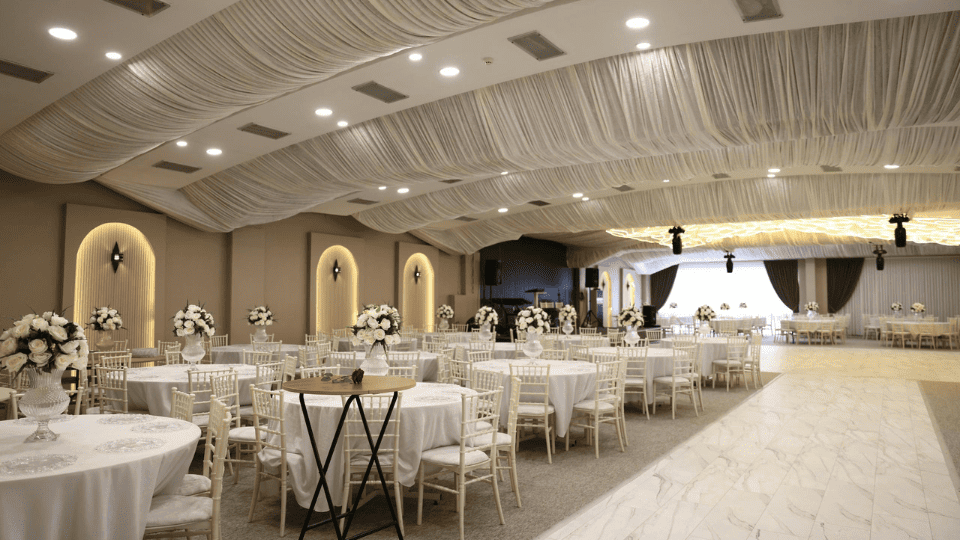
Guest seating should allow attendees to see the ceremony comfortably while preserving clear routes between the entrance, aisle, and reception areas.
For weddings involving family elders or traditional ceremonies, reserve appropriate seating for parents, relatives, and other important guests according to the family's preferences.
A practical seating plan should:
- Maintain clear main walkways.
- Keep entrances and emergency exits unobstructed.
- Provide good sightlines from different seating sections.
- Leave suitable space for photographers and ceremony staff.
- Consider accessibility for older guests and people with mobility needs.
For venues with unusual layouts, U-shaped seating or another alternative arrangement may help make better use of the available space.
Choose the format that suits the venue rather than following a particular layout solely for symbolic reasons.
4. Wedding Colors and Materials That Complement Feng Shui
Wedding colors and decorative materials help establish the atmosphere of the celebration. For couples who value traditional beliefs, color choices can also reflect cultural symbolism.
The meaning of a color may vary between cultures and traditions, so couples should choose a palette that feels appropriate to their ceremony and family preferences.
Popular Wedding Colors and Their Symbolism
- Red
In Chinese wedding traditions, red is commonly associated with happiness, celebration, and good fortune. It is frequently used in traditional Chinese wedding decorations. - Gold
Gold is often associated with prosperity, abundance, and elegance. It works well as an accent color when paired with other shades. - Pink
Pink can represent romance, tenderness, and warmth. It is a popular choice for couples seeking a soft and romantic atmosphere. - Cream and Beige
Rather than using too many colors, consider choosing one or two main shades and adding complementary accents.
This approach creates a more cohesive design and helps the ceremony stage, registration table, and reception area feel connected.
Choosing Decorative Materials
Materials can influence how a wedding venue looks and feels.
Consider these options:
- Wood: Adds warmth and a natural character to the space.
- Fabric: Softens the appearance of ceremony stages, tables, and backdrops.
- Metal: Gold or silver details can introduce elegance and visual contrast.
- Flowers and greenery: Bring freshness and natural texture into the design.
- Mirrors and glass: Create visual depth and reflect light, but should be positioned carefully to avoid uncomfortable glare.
Couples who follow the traditional Chinese concept of the five elements may use wood, fire, earth, metal, and water as inspiration for their color palette and materials.
There is no need to include every element in equal proportions. The overall design should remain visually balanced and suitable for the venue.
5. Wedding Lighting for a Warm and Harmonious Atmosphere
Lighting affects the mood of a wedding, the visibility of the ceremony, and the quality of photographs.
A well-planned lighting arrangement helps guests feel comfortable while highlighting the couple and important decorative details.
Lighting for the Registration Table
The registration area should be bright enough for guests to read names, sign a guestbook, or use digital registration devices.
For evening weddings, warm lighting can create a welcoming atmosphere. However, decorative lighting should never replace the practical lighting needed for registration.
Avoid placing lights where they shine directly into guests' eyes or create strong shadows across the table.
Lighting for the Wedding Stage
The stage should be illuminated so that the couple's faces remain clearly visible during important moments, including the ring exchange, speeches, and family photographs.
Consider these lighting principles:
- Use suitable front lighting to illuminate the couple.
- Avoid excessive backlighting that makes faces appear dark.
- Keep decorative lighting balanced with the main stage lighting.
- Test the lighting from the guests' seating positions.
- Check how the setup appears in photographs and videos.
For outdoor weddings, assess the natural light at the planned ceremony time. Sunset conditions can create a beautiful atmosphere, but the lighting setup should also account for the changing brightness throughout the event.
6. Wedding Feng Shui Checklist Before the Big Day
Before the wedding, review the venue layout with the event coordinator or Wedding Specialist.
Use this checklist to confirm that the space is ready.
Registration Table
- The table is visible from the main entrance.
- The entrance and walkways remain unobstructed.
- There is enough space for registration and queues.
- Lighting and registration equipment are ready.
Ceremony Stage
- Most guests have a clear view of the couple.
- The stage height suits the venue.
- There is enough space for the ceremony participants.
- The backdrop is stable and safely installed.
- Steps or access points are safe to use.
Aisle and Seating
- The main aisle is clear.
- Entrances and emergency exits remain accessible.
- Seating arrangements provide suitable sightlines.
- Space is available for photographers and ceremony staff.
- Older guests and guests with mobility needs can access their seats comfortably.
Colors, Lighting, and Decorations
- The color palette complements the wedding theme.
- Stage lighting supports both the ceremony and photography.
- Decorative structures are secure.
- The chosen elements reflect the couple's preferences and beliefs.
Final Preparations
- The venue team has received the floor plan and decoration details.
- The layout has been checked in the actual event space.
- An alternative plan is available for outdoor weddings.
- The venue's rules for candles, lighting equipment, and decorations have been confirmed.
7. Common Wedding Feng Shui Mistakes and How to Avoid Them
Even when feng shui is an important consideration, the wedding layout should remain practical and safe.
Placing the Registration Table in Front of the Entrance
A registration table that blocks the entrance can create congestion and make guests feel uncertain about where to go.
Move the table to a visible position beside the entrance and provide a clear route into the venue.
Positioning the Stage Where Guests Cannot See the Couple
A beautiful stage may still be ineffective if pillars, tall centerpieces, or seating arrangements block the view.
Review sightlines from different parts of the room and adjust the stage or seating plan before the event.
Using Too Many Decorative Elements
More decorations do not automatically create a more auspicious atmosphere.
Choose a smaller number of meaningful elements that complement the venue and allow the couple to remain the main focus.
Choosing an Auspicious Direction Without Considering the Venue
If a particular direction is important to the couple, discuss it with a qualified feng shui practitioner before finalizing the layout.
Avoid changes that compromise accessibility, safety, or the comfort of guests.
Overlooking Lighting and Weather Conditions
For outdoor weddings, consider sunlight, wind, rain, and changing light conditions.
Prepare a backup arrangement that maintains the ceremony's visual appeal while providing a safe and comfortable environment.
Frequently Asked Questions About Wedding Feng Shui
Where should a wedding registration table be placed?
A wedding registration table should ideally be placed near the main entrance in a clearly visible position. Leave enough room for guests to register and queue without obstructing walkways or emergency exits.
Which direction should a wedding stage face?
There is no single direction that is universally auspicious for every wedding. Couples seeking a personalized feng shui recommendation should consult a qualified practitioner and consider the venue's layout and practical limitations.
What colors are considered lucky for a wedding?
Red and gold are commonly associated with happiness and prosperity in Chinese wedding traditions. Pink, cream, and beige are also popular choices for romantic and harmonious wedding designs. Color symbolism varies across cultures and traditions.
How can I arrange a wedding stage so that every guest can see it?
Position the stage where most guests have a clear view, check sightlines from the front and back of the room, and choose a stage height appropriate to the venue. Avoid tall decorations that block the couple.
Do I need a feng shui expert to plan my wedding?
Not necessarily. Many couples can incorporate general feng shui-inspired ideas through balanced layouts, thoughtful color choices, and uncluttered spaces. If you want to determine a specific auspicious direction based on individual circumstances, consulting a feng shui practitioner may be helpful.
Creating a Harmonious Wedding Space
Wedding feng shui offers couples a way to incorporate traditional beliefs into the design of their celebration.
From the registration table and ceremony stage to the aisle, seating plan, colors, and lighting, thoughtful arrangements can help create a welcoming and harmonious environment.
The most effective wedding layout balances personal beliefs with practical considerations, including guest comfort, accessibility, safety, and the characteristics of the venue.
For couples planning a wedding in Thailand, choosing a venue that suits the ceremony style, guest count, and desired atmosphere is an important first step.
WeddingInThai connects couples with carefully curated wedding venues and Wedding Specialists, helping them explore suitable options and plan a celebration that reflects their vision.

Discover Your Dream Wedding Venue
Explore our curated collection of hotels, resorts, and wedding venues. Browse wedding packages, photos, and venue details to find the perfect setting for your special day.
Plan Your Wedding with a Wedding Specialist
Share your vision and budget, and our Wedding Specialist will connect you directly with the venue’s wedding team to bring your dream wedding to life.
Plan with a Wedding Specialist