Things Not to Do on Your Wedding Day: Thai Traditions
Last updated: 22 Oct 2026
2293 Views
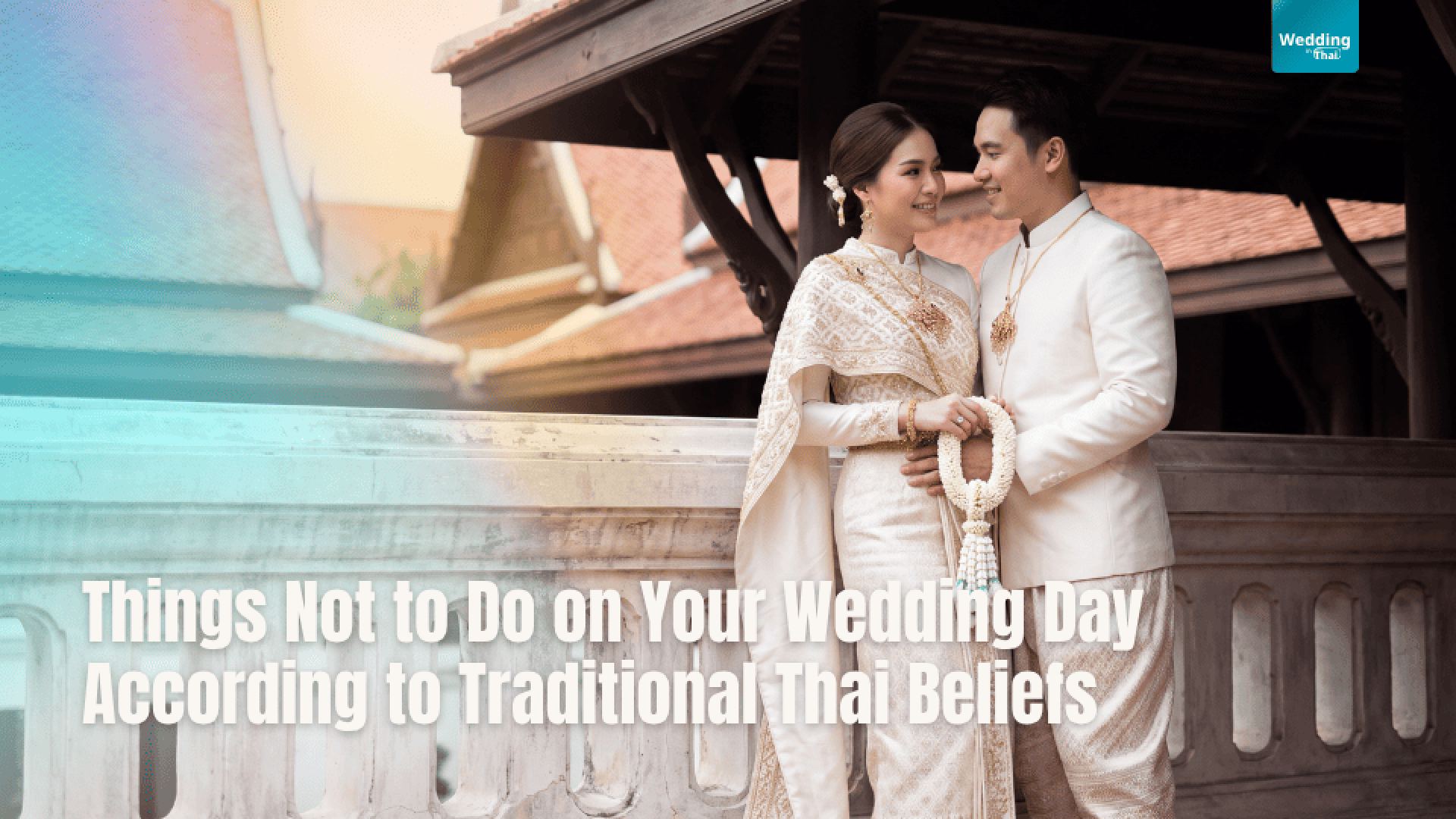
Things Not to Do on Your Wedding Day According to Traditional Thai Beliefs
A wedding day is one of the most meaningful milestones in a couple’s life. In Thai culture, wedding ceremonies often include traditional customs and symbolic rituals believed to bring good fortune, happiness, and harmony to the newlyweds and their families.
Many Thai families observe certain wedding day traditions, from choosing an auspicious time and speaking kindly to respecting elders and preparing ceremonial items carefully. Some customs are rooted in long-standing cultural beliefs, while others vary by region, family tradition, and personal preference.
So, what should couples avoid on their wedding day according to traditional Thai beliefs?
WeddingInThai explores common Thai wedding day superstitions, the meanings behind these customs, and practical tips for keeping the ceremony respectful and well-organized. Whether you are planning a traditional Thai wedding, a hotel wedding, or a destination wedding in Thailand, understanding these traditions can help you prepare for a meaningful celebration.
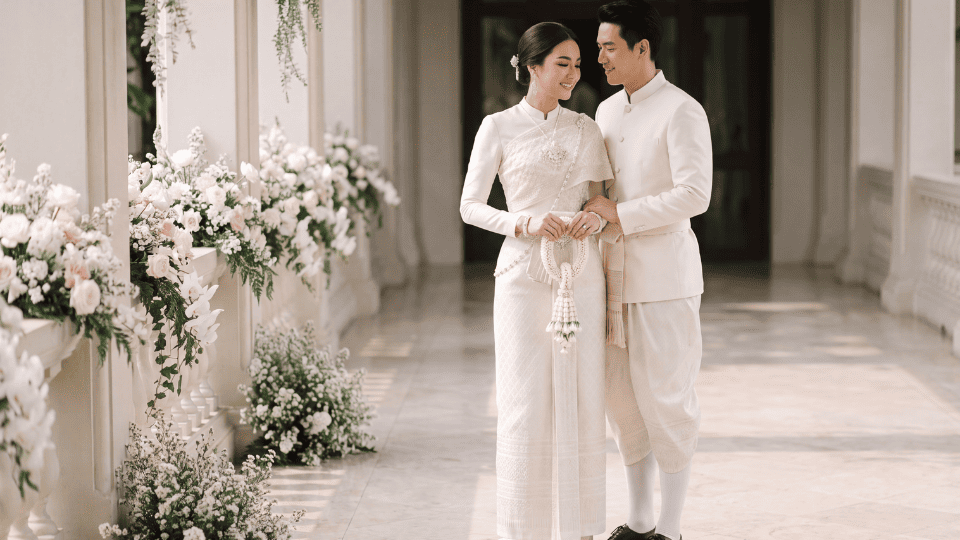
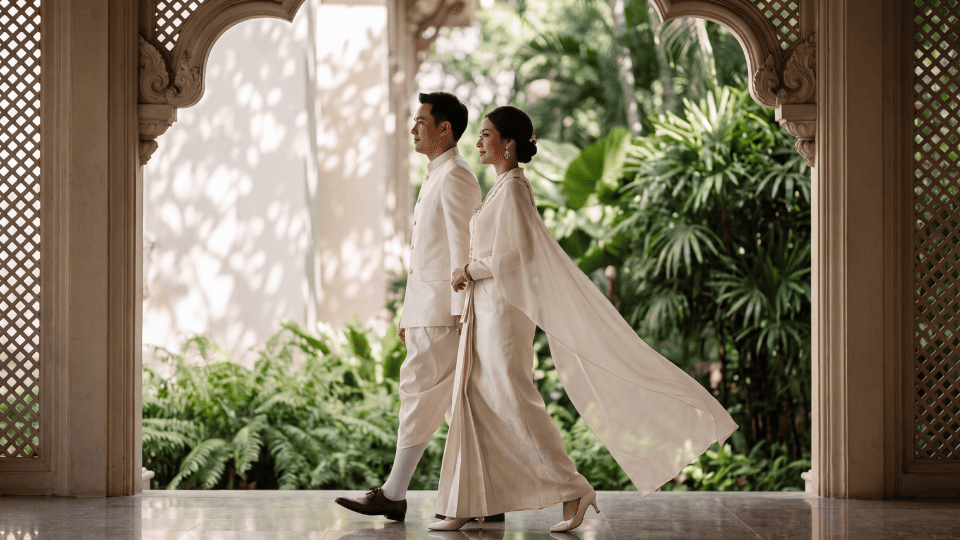
1. Avoid Arguments and Negative Words on Your Wedding Day
One of the most widely observed customs is maintaining a peaceful and positive atmosphere throughout the wedding day.
In traditional beliefs, the way a couple begins their marriage can carry symbolic meaning. Speaking kindly, showing patience, and treating others with respect are often associated with a harmonious start to married life.
Couples should try to avoid:
- Arguing or exchanging angry words before or during the ceremony.
- Using offensive language or making hurtful remarks.
- Criticizing family members, guests, or wedding staff in front of others.
- Allowing minor problems to turn into unnecessary conflicts.
Of course, wedding days can be stressful. Delays, last-minute changes, and unexpected problems may happen even with careful planning.
A practical solution is to appoint a trusted person or wedding coordinator to handle unexpected issues. This allows the couple to focus on the ceremony instead of managing every detail themselves.
Keeping a positive atmosphere is both a thoughtful way to respect family traditions and a practical way to make the celebration more enjoyable.
2. Avoid Ignoring the Auspicious Wedding Time
Choosing an auspicious wedding date and time is an important tradition for many Thai families. Some couples consult elders, monks, or specialists in Thai astrology when deciding when to hold their ceremony.
According to these beliefs, beginning the marriage at an auspicious time symbolizes a positive start to married life.
To respect this tradition, couples should avoid:
- Waking up late and falling behind schedule.
- Arriving at the wedding venue later than planned.
- Forgetting essential ceremonial items.
- Failing to communicate the schedule to the photographer, celebrant, and wedding team.
- Changing important ceremony timings without consulting the relevant people.
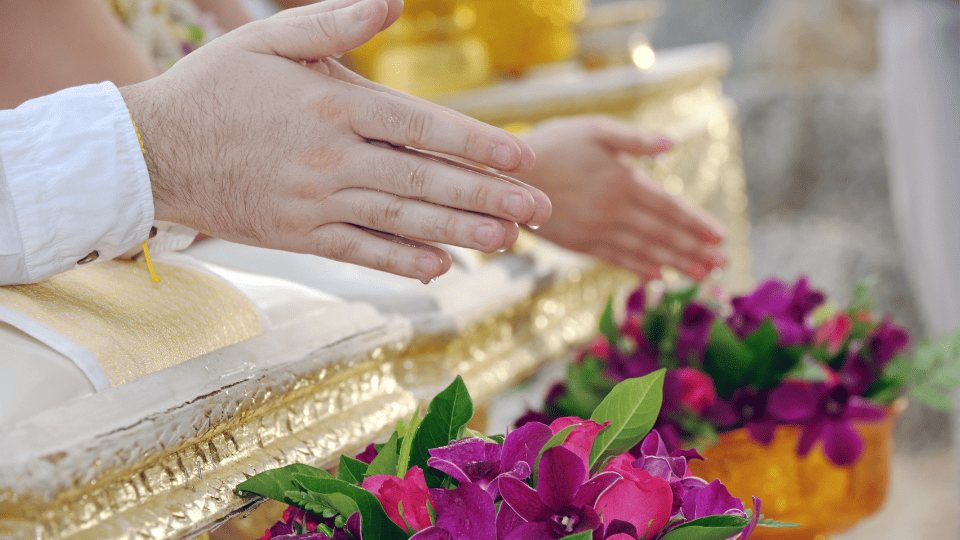
Prepare a detailed wedding timeline that includes getting ready, hair and makeup, dressing, the engagement ceremony, the khan maak procession, the ring exchange, the water-pouring ceremony, and the wedding reception.
If the wedding is held at a hotel or resort, coordinate with the venue's Wedding Specialist to ensure that the team understands the important ceremonial timings and prepares each space accordingly.
Following the schedule can help couples honor their chosen traditions while keeping the event organized.
3. Avoid Overlooking Family Traditions and Respect for Elders
Traditional Thai weddings place considerable importance on family relationships, respect for elders, and the joining of two families.
Parents and senior relatives may have specific roles in the ceremony, including welcoming the groom's procession, participating in engagement rituals, offering blessings, or taking part in the water-pouring ceremony.
Couples should avoid:
- Leaving family members unaware of the wedding schedule.
- Overlooking the roles assigned to parents and senior relatives.
- Changing important ceremonial steps without discussing them with the family.
- Behaving disrespectfully during traditional rituals.
- Rushing elders through the ceremony without considering their needs.
Customs may differ between families and regions. Some families follow detailed traditions surrounding the khan maak procession, engagement gifts, dowry presentation, or the order in which elders offer their blessings.
Before the wedding, couples should discuss which traditions are important to both families and agree on how to incorporate them into the celebration.
This preparation helps prevent misunderstandings and allows everyone to participate comfortably.
4. Avoid Placing Ceremonial Items Carelessly
Traditional Thai wedding ceremonies often involve meaningful ceremonial items, including khan maak trays, engagement gifts, dowry displays, wedding rings, and equipment for the water-pouring ceremony.
These items are important to the ceremony, so preparing and arranging them carefully helps everything proceed smoothly.
Before the ceremony, make sure to:
- Keep ceremonial trays away from walkways and entrances.
- Assign someone to look after valuable or significant items.
- Check that all required ceremonial items are present.
- Arrange the items in the correct order for the ceremony.
- Inform the ceremony coordinator before moving important items.
Some families follow specific customs concerning how ceremonial items should be handled or presented. If there are particular family traditions to observe, consult the elders or ceremony leader in advance.
For wedding venues, proper planning is equally important. The venue team should know where each item belongs, who is responsible for it, and when it will be needed.
A clear arrangement helps avoid confusion and keeps the ceremony running smoothly.
5. Avoid Neglecting Wedding Rings and Engagement Gifts
Wedding rings and engagement gifts are significant elements of many wedding ceremonies. They symbolize commitment and the agreement between the couple and their families.
Although there is no universal Thai superstition that applies to every situation involving rings or engagement gifts, keeping these items safe and properly prepared is essential.
Before the wedding, check that:
- The wedding rings are stored securely in their ring box.
- The rings fit the intended wearers.
- The engagement gifts and dowry items match the family's arrangements.
- A designated person is responsible for handing over important items.
- Valuable belongings have a secure storage location before and after the ceremony.
If the ceremony includes a ring exchange, inform the photographer in advance so they can prepare to capture this important moment.
Beliefs about dropping rings or mishandling engagement gifts vary between individuals and families. Rather than treating every such incident as a bad omen, couples can focus on careful preparation and follow any specific customs that are meaningful to their families.
6. Avoid Overlooking Wedding Attire and Ceremony Requirements
Wedding attire is an important part of the celebration, particularly when the day includes several traditional ceremonies.
A couple may wear different outfits for a Buddhist blessing, an engagement ceremony, a traditional Thai wedding ceremony, and the evening reception.
To prepare properly:
- Choose outfits that suit the ceremony and venue.
- Check that all clothing is fitted and ready before the wedding day.
- Select footwear that is comfortable and safe to walk in.
- Prepare a backup outfit if the schedule includes multiple changes.
- Check whether the family has any specific customs regarding auspicious colors.
Beliefs about auspicious wedding colors vary according to different traditions, astrological interpretations, and personal preferences. There is no single color rule that applies to every Thai wedding.
Couples who wish to follow traditional color beliefs can consult their families or a trusted specialist while also considering their personal style, wedding theme, and the practical requirements of the ceremony.
The goal is to feel comfortable and confident while respecting the traditions that matter to the couple.
7. Avoid Overlooking Wedding Venue Safety and Preparation
Traditional beliefs are an important part of many Thai weddings, but practical preparation is equally essential.
This is particularly true for outdoor weddings, garden ceremonies, and beachfront celebrations, where weather conditions, uneven surfaces, and equipment setup can affect the event.
Before the wedding, check the following:
- Clear walkways for the khan maak procession and the couple.
- Safe and appropriate spaces for ceremonial items.
- Secure wedding arches, decorations, and temporary structures.
- Electrical systems, lighting, and sound equipment.
- Backup arrangements in case of rain or unfavorable weather.
- Accessible seating and pathways for elderly guests and those who need assistance.
For weddings held at hotels or resorts, discuss these details with the venue team well in advance.
Couples who have specific preferences regarding traditional customs or the suitability of a venue should also communicate them to their families and wedding coordinator early in the planning process.
A well-prepared venue allows everyone to participate in the ceremony safely and comfortably.
8. Avoid Excessive Drinking and Disruptive Behavior
A wedding is a celebration shared with family and friends. While the reception may include food, entertainment, and alcoholic beverages, maintaining a respectful atmosphere is important.
Excessive drinking and disruptive behavior can interrupt the celebration and create unnecessary stress for the couple.
Guests and wedding parties should avoid:
- Drinking excessively before important ceremonies.
- Interrupting the couple or the ceremony leader.
- Starting arguments with other guests.
- Making excessive noise during speeches or formal activities.
- Driving after consuming alcohol.
Couples can appoint a trusted friend or event coordinator to help manage unexpected situations.
If alcohol will be served, it is helpful to establish a plan for guest safety and transportation before the event.
These precautions help preserve the celebratory atmosphere and allow everyone to enjoy the occasion responsibly.
9. Avoid Overlooking the Traditional Send-Off Ceremony
Some Thai families observe a traditional ceremony known as song tua khao ho (ส่งตัวเข้าหอ), which involves accompanying the newlyweds to their room and offering blessings for their married life.
The details vary between families, and not every couple chooses to include this ritual in their wedding celebrations.
For couples who wish to observe the tradition, it is helpful to:
- Confirm whether the family plans to hold the ceremony.
- Prepare the room and any ceremonial items required by the family.
- Inform the relevant family members of the schedule.
- Arrange a private and comfortable setting.
- Check that any personal belongings and ceremonial items are accounted for afterward.
The ceremony may include blessings from parents or senior relatives, symbolizing their wishes for the couple's happiness and future together.
If the wedding takes place at a hotel or resort, inform the venue team in advance if assistance with room preparation or a private ceremony space is needed.
Discussing these arrangements early allows the couple to preserve meaningful traditions without creating unnecessary last-minute pressure.
10. Avoid Leaving Important Belongings Behind After the Wedding
After the ceremony and reception, the couple may need to manage wedding rings, engagement gifts, cash gifts, ceremonial items, personal belongings, and presents from guests.
A clear collection and handover plan helps prevent items from being misplaced.
Before leaving the venue, check:
- Wedding rings and engagement gifts.
- Dowry items and cash gifts.
- Ceremonial trays and equipment.
- Auspicious items the family wishes to keep.
- Gifts from guests.
- Wedding attire and personal belongings.
Assign a responsible person to collect and check each category of items.
Valuable belongings should be stored securely rather than left unattended in the event space after guests have departed.
Although this is primarily a practical precaution rather than a traditional superstition, it is an important part of ending the wedding day smoothly.
Wedding Day Checklist for a Traditional Thai Wedding
A detailed checklist can help couples respect family traditions while ensuring that practical arrangements are completed on time.
Ceremony and Traditions
- Confirm the auspicious wedding date and time, if applicable.
- Review the ceremony sequence with the family and ceremony leader.
- Prepare the khan maak trays, engagement gifts, rings, and other ceremonial items.
- Confirm the roles of parents and senior relatives.
- Share the ceremony timeline with the photographer and emcee.
Wedding Venue
- Check the ceremony space and procession routes.
- Arrange a suitable area for ceremonial items.
- Confirm venue access and setup times.
- Prepare a backup plan for outdoor ceremonies.
- Confirm the main point of contact on the wedding day.
Couple and Family
- Prepare wedding outfits and any backup clothing.
- Check rings and valuables before leaving the accommodation.
- Inform family members of the key arrangements.
- Assign someone to handle unexpected issues.
- Prepare a checklist for collecting belongings after the event.
Careful preparation helps reduce avoidable problems and gives the couple more time to enjoy the celebration with their loved ones.
Frequently Asked Questions About Thai Wedding Day Superstitions
1. What should you not do on your wedding day according to traditional Thai beliefs?
Common customs include avoiding arguments, speaking negatively, and disregarding important family traditions. Some families also follow specific practices concerning auspicious timings, wedding attire, and ceremonial items. These beliefs vary, so couples should consult their families before deciding which customs to follow.
2. Is it bad luck to argue on your wedding day?
Some traditional beliefs associate a peaceful wedding day with a harmonious start to married life. Avoiding arguments is therefore encouraged as a symbolic way to welcome happiness and good fortune. However, an argument or unexpected problem on the wedding day does not determine the future of a marriage.
3. What colors should you avoid wearing to a Thai wedding?
There is no universal list of forbidden colors for all Thai weddings. Beliefs about auspicious colors may depend on family traditions, astrology, or personal preferences. Couples should choose attire that suits the ceremony and consult their families if they wish to follow specific color customs.
4. What should you do if your wedding ceremony starts later than the auspicious time?
Inform the ceremony leader or wedding coordinator immediately so they can review the schedule and adjust the sequence where appropriate. Avoid making changes to important rituals without consulting the relevant people, particularly if the ceremony follows specific timing requirements.
5. Do couples need to follow traditional Thai wedding superstitions?
No. These customs are rooted in cultural traditions and personal beliefs, and not every couple follows the same practices. Couples can choose the traditions that are meaningful to them and their families while ensuring that their wedding reflects their values and preferences.
6. What should couples discuss with their wedding venue before the ceremony?
Couples should confirm the ceremony schedule, event spaces, ceremonial item arrangements, decorations, sound equipment, weather contingency plans, and the responsibilities of the venue team. For traditional Thai weddings, it is particularly important to communicate the ceremony sequence and any auspicious timings in advance.
Honor Thai Wedding Traditions While Planning with Confidence
Traditional Thai wedding day customs reflect the importance of family, respect, and the wish for a happy and prosperous married life.
While some couples follow long-standing beliefs about auspicious timings, ceremonial items, and appropriate behavior, these customs are not identical across Thailand. Every family may have its own traditions, and couples do not need to follow every superstition to have a meaningful wedding.
The most important steps are to communicate with family members, prepare ceremonial items carefully, respect the traditions that matter to both families, and coordinate the wedding arrangements in advance.
Whether you are planning a traditional Thai ceremony, a hotel wedding, or a beachfront destination wedding, thoughtful preparation can help create a celebration that feels personal, respectful, and memorable.
Planning a wedding in Thailand? Explore wedding venues and connect with a Wedding Specialist through WeddingInThai to find the right setting for your celebration and start planning your special day with confidence.

Discover Your Dream Wedding Venue
Explore our curated collection of hotels, resorts, and wedding venues. Browse wedding packages, photos, and venue details to find the perfect setting for your special day.
Plan Your Wedding with a Wedding Specialist
Share your vision and budget, and our Wedding Specialist will connect you directly with the venue’s wedding team to bring your dream wedding to life.
Related Content

Plan your Krabi destination wedding by the beach with stunning limestone views, full packages, and venues perfect for international guests.
12 Apr 2026

Both Wedding Planners and Wedding Organizers play essential roles in weddings, but their responsibilities and focus differ.
23 Jun 2024

Hosting a wedding in a cozy café is a growing trend for couples who want a relaxed, intimate gathering without all the fuss.
8 Nov 2024

