LGBTQ+ Wedding Attire: How to Choose Wedding Outfits
Last updated: 19 Sept 2026
1436 Views
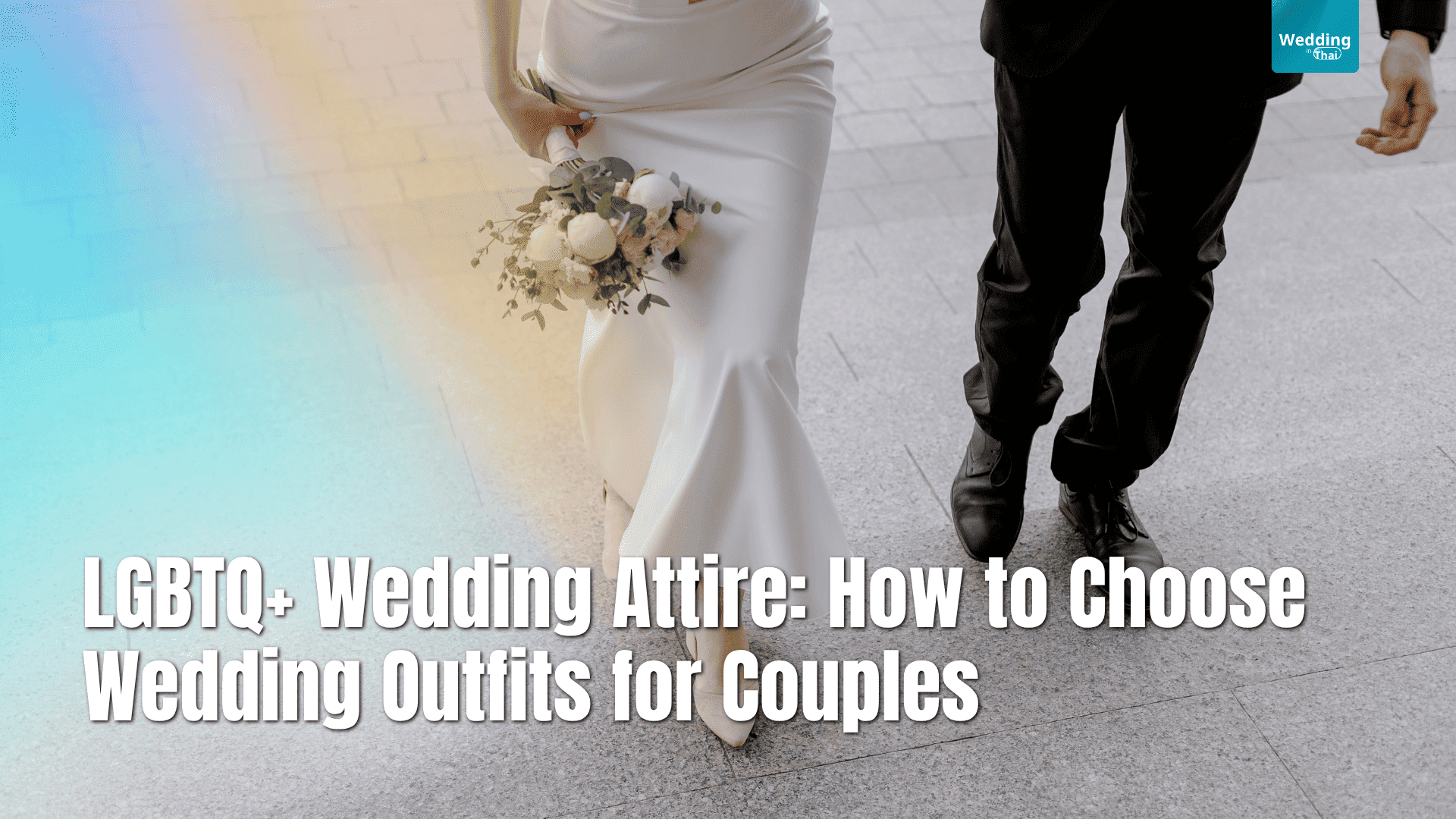
LGBTQ+ Wedding Attire: How to Choose Wedding Outfits for Couples
Choosing what to wear is one of the most personal parts of planning a wedding. For LGBTQ+ couples, wedding attire can also be an opportunity to move beyond traditional ideas of a bride's dress and a groom's suit and create looks that reflect both partners.
There is no single way to dress for an LGBTQ+ wedding.
Some couples choose two suits. Others choose two dresses, a suit and a dress, coordinated separates, traditional attire, or completely different looks that come together through colour and styling.
The goal is not to make both outfits identical. It is to create a wedding-day look where both partners feel confident, comfortable, and authentically themselves.
Here are practical LGBTQ+ wedding attire ideas to help you choose outfits that work beautifully together.
1. Start With Personal Style, Not Gender Roles
Traditional wedding fashion often begins with a simple formula: a dress for the bride and a suit for the groom.
LGBTQ+ couples have the freedom to start somewhere else.
Think about the clothes that already make you feel confident. Consider your preferred silhouette, fabrics, colours, level of formality, and how you want to feel on the wedding day.
Your options can include:
- Wedding dresses
- Suits and tuxedos
- Two suits
- Two dresses
- Jumpsuits or contemporary separates
- Tailored trousers and jackets
- Traditional or cultural attire
- Androgynous wedding looks
- Custom-designed outfits
For couples who prefer gender-neutral wedding attire, there is no requirement to choose clothing from traditional men's or women's categories.
The most important question is simple:
Does this outfit feel like me?
2. Coordinate Your Looks Without Matching Exactly
Your wedding outfits do not have to be identical to look cohesive.
Instead of choosing matching clothes, choose a shared visual concept.
For example:
- A formal evening look with different fabrics
- A minimalist wedding style with a simple dress and a light-toned suit
- Modern tailoring paired with a structured wedding dress
- Two suits in different shades of the same colour
- Two dresses with different silhouettes but similar details
- Contemporary outfits connected through accessories
The goal is to create two individual looks that feel like they belong to the same wedding.
When you stand together, the outfits should feel connected without making either partner disappear.
3. Use Colour to Connect Your Wedding Outfits
Colour is one of the easiest ways to create harmony between two different wedding outfits.
You do not need to wear exactly the same colour. Instead, choose tones that complement one another.
Some combinations to consider include:
- Navy and champagne
- Ivory and silver
- Lavender and deep blue
- Black and white
- Soft beige and warm brown
- Sage green and ivory
- Neutral tones for a minimalist wedding
- Warm earth tones for an outdoor or destination wedding
You can also use the same colour in smaller details, such as flowers, ties, pocket squares, shoes, jewellery, or accessories.
This creates a visual connection between both outfits while allowing each person to maintain their own style.
4. Consider the Wedding Venue and Destination
Your wedding location should influence what you wear.
An outfit that works beautifully in a luxury ballroom may not be the most practical choice for a beach ceremony.
For a destination wedding in Thailand, consider the climate, venue, time of day, and amount of movement involved.
For example:
Beach Wedding
Lightweight fabrics, breathable tailoring, comfortable footwear, and softer silhouettes can work well for a tropical setting.
Luxury Resort Wedding
Formal dresses, elegant suits, tuxedos, and sophisticated accessories can create a polished resort-wedding look.
Outdoor Wedding
Consider fabrics and shoes that are comfortable for walking and suitable for the surface.
Evening Wedding
Darker colours, structured tailoring, satin, velvet, metallic details, and statement accessories can create a more dramatic look.
Thinking about the destination early can help you choose wedding attire that looks beautiful while remaining practical.
5. Plan a Joint Fitting
If possible, consider scheduling your fittings around the same time.
A joint fitting allows you to see both outfits together before the wedding day.
You can check:
- Whether the colours work together
- How the silhouettes look side by side
- Whether the level of formality feels balanced
- How accessories complement each other
- -Whether the outfits work with the wedding décor
- How the outfits look in photographs
It can also help your designers or stylists understand the overall visual direction of the wedding.
You do not need identical outfits. You simply want both looks to feel intentional when you are standing together.
6. Choose a Silhouette That Makes You Feel Comfortable
The right wedding outfit should make you feel good, not make you feel like you are trying to fit into someone else's idea of what a wedding outfit should look like.
Think about:
- Which parts of your body you want to highlight
- Which areas you prefer to keep understated
- How fitted or relaxed you want the outfit to be
- Whether you prefer structured or soft fabrics
- How much movement you need
- How the outfit makes you feel when you see yourself in the mirror
For transgender and non-binary couples, this can be particularly important.
If certain cuts or silhouettes make you uncomfortable, communicate that clearly with your designer or stylist. A skilled professional can adjust proportions, structure, fabric, and fit to create an outfit that feels more aligned with your identity and personal style.
7. Prioritize Comfort for the Entire Wedding Day
Your wedding outfit needs to work for more than just the ceremony.
You may spend several hours:
- Walking
- Standing
- Sitting
- Taking photographs
- Dancing
- Greeting guests
- Moving between indoor and outdoor spaces
Consider the weight of the garment, the fit of the shoes, the temperature, and how easily you can move.
For a destination wedding in Thailand, breathable fabrics can be particularly useful for outdoor ceremonies and tropical weather.
A beautiful outfit should still allow you to walk, sit, dance, hug your guests, and enjoy the celebration comfortably.
8. Add Personal Details That Tell Your Story
Accessories can make coordinated wedding outfits feel more personal.
You could incorporate:
- Matching jewellery
- Coordinated cufflinks
- Shared fabric details
- Embroidered initials
- Meaningful symbols
- A special date
- Personal messages inside the garments
- Matching shoes or accessories
- Family or cultural elements
These details do not need to be obvious to your guests.
Sometimes the most meaningful wedding details are the ones that only the couple understands.
9. Think About How Your Outfits Will Look in Wedding Photos
Your wedding attire will appear in photographs for years, so think about how the two outfits interact visually.
Different textures can create depth, especially when photographed together.
For example:
- Satin with matte suiting
- Soft fabric with structured tailoring
- Lace with clean modern lines
- Velvet with silk
- Flowing fabric with sharp tailoring
You can also consider how your outfits interact with the wedding venue.
A beach setting may work beautifully with lighter fabrics and natural tones, while a luxury ballroom may suit richer textures and more structured silhouettes.
Ask your photographer for guidance if you are unsure how certain fabrics, colours, or details will photograph.
10. Give Yourself Time for Alterations
Wedding attire often requires more than one fitting.
Start early enough to allow time for:
- Initial measurements
- Design adjustments
- Alterations
- Shoe and accessory coordination
- Final fitting
- Last-minute adjustments
Custom or made-to-measure outfits may require additional time.
If you are planning a destination wedding in Thailand from overseas, discuss the fitting schedule with your designer or wedding team before travelling.
Planning ahead can reduce unnecessary stress close to the wedding day.
LGBTQ+ Wedding Attire Ideas for Destination Weddings in Thailand
Thailand offers a wide range of wedding settings, from tropical beaches and luxury resorts to intimate venues and private celebrations.
For LGBTQ+ couples planning a destination wedding, your attire can be designed around the location as well as your personal style.
A relaxed beach ceremony may call for lightweight and breathable outfits, while an elegant resort wedding may suit formal dresses, suits, tuxedos, or contemporary eveningwear.
You can also incorporate Thai elements into your wedding attire through traditional fabrics, colours, accessories, or ceremony clothing while maintaining a modern personal style.
The key is to balance personal identity, comfort, climate, venue, and the overall wedding aesthetic.
Frequently Asked Questions About LGBTQ+ Wedding Attire
What should LGBTQ+ couples wear for a wedding?
LGBTQ+ couples can choose any wedding attire that reflects their personal style and identity. Options include dresses, suits, tuxedos, jumpsuits, traditional attire, coordinated separates, or completely individual looks.
Do LGBTQ+ wedding outfits need to match?
No. Wedding outfits do not need to match exactly. Couples can create harmony through colour, fabric, accessories, formality, or a shared design concept.
What is gender-neutral wedding attire?
Gender-neutral wedding attire refers to wedding clothing that is not limited by traditional ideas of men's or women's fashion. Couples can choose suits, dresses, separates, tailoring, or other styles based on personal preference rather than gender roles.
How can same-sex couples coordinate their wedding outfits?
Same-sex couples can coordinate outfits through complementary colours, similar levels of formality, shared accessories, matching details, or similar fabrics while keeping each person's individual style.
What should LGBTQ+ couples consider when choosing wedding attire in Thailand?
Consider the wedding venue, weather, humidity, ceremony time, fabric, footwear, comfort, photography, and the amount of movement required throughout the day. Lightweight and breathable materials can be useful for outdoor and beach weddings in Thailand.
Your Wedding Attire Should Feel Like You
Choosing wedding attire as an LGBTQ+ couple is not about finding the correct combination of a bride's outfit and a groom's outfit.
It is about creating two looks that represent two individuals while also telling one shared story.
You can match.
You can coordinate.
You can contrast.
You can follow tradition.
Or you can create something completely new.
There is no single formula for LGBTQ+ wedding attire.
The best wedding outfit is ultimately the one that allows you to feel comfortable, confident, seen, and completely yourself on the day you celebrate your relationship.
Find Your Wedding Venue in Thailand with WeddingInThai
Planning a destination wedding from overseas starts with finding the right setting for your celebration.
WeddingInThai connects couples with carefully selected wedding venues and Wedding Specialists in Thailand, helping you discover options for your wedding style, guest size, and destination.
Explore wedding venues in Phuket, Koh Samui, and Phi Phi, and start planning a celebration that reflects who you are.
Discover. Connect. Plan.

Discover Your Dream Wedding Venue
Explore our curated collection of hotels, resorts, and wedding venues. Browse wedding packages, photos, and venue details to find the perfect setting for your special day.
Plan Your Wedding with a Wedding Specialist
Share your vision and budget, and our Wedding Specialist will connect you directly with the venue’s wedding team to bring your dream wedding to life.
Related Content

Discover 5 meaningful ways LGBTQ+ couples can support each other through wedding planning, family expectations and destination wedding stress.
17 Nov 2025

A warm, easy-to-understand exploration of what makes LGBTQ+ families complete—from emotional safety to inclusive love, communication
23 Nov 2025

Simple and clear guide to Thailand’s Marriage Equality Act (effective Jan 23, 2025). Learn what rights LGBTQ+ couples now have, remaining legal gaps
23 Nov 2025

