How Couples Can Handle Arguments Before Marriage
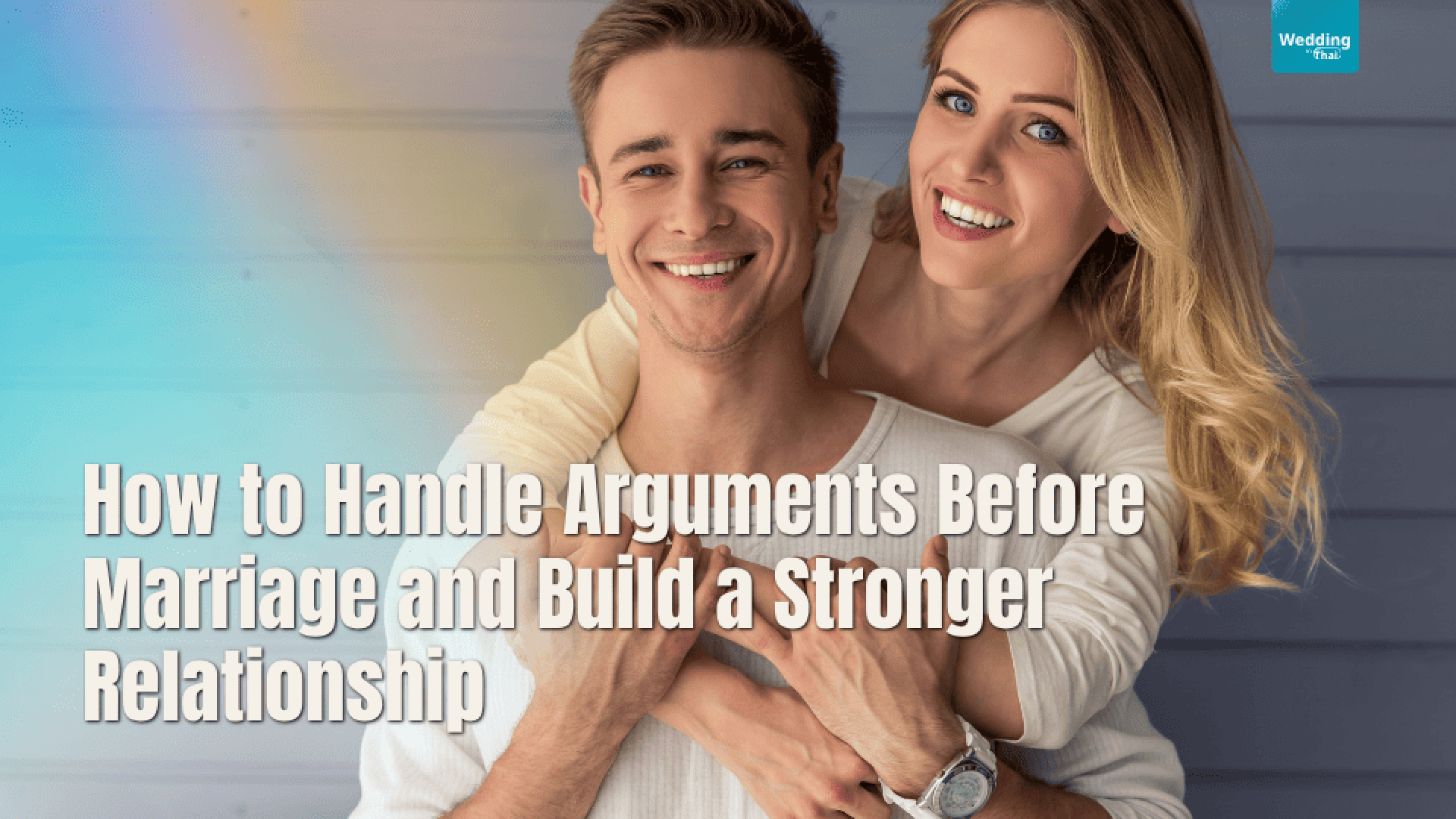
How to Handle Arguments Before Marriage and Build a Stronger Relationship
Planning a wedding is exciting, but it can also bring stress, difficult decisions, and disagreements between couples.
From choosing a wedding venue and managing the budget to discussing family expectations, guest lists, traditions, and the future, couples may discover that they do not always see things the same way.
For LGBTQ+ couples, these conversations can sometimes involve additional considerations such as family expectations, cultural differences, and how to create a wedding that feels authentic to both partners.
Arguments are not necessarily a sign that a relationship is failing. The important question is how couples handle conflict and communicate with each other.
Learning how to disagree with respect before marriage can help couples build stronger communication, greater trust, and a healthier foundation for married life.
1. Choose the Right Time to Talk
Not every disagreement needs to be solved immediately.
Wedding planning can become stressful when couples are tired, busy, or overwhelmed by decisions. A small disagreement about a wedding detail can quickly become a much bigger argument when emotions are already high.
If the conversation is becoming unproductive, take a short break and agree on a time to continue talking.
The goal is not to avoid difficult conversations. It is to have them when both partners are ready to listen.
2. Talk About Feelings Instead of Blaming
The way a couple communicates can change the entire direction of an argument.
Instead of saying:
“Why did you do that?”
Try:
“I felt uncomfortable when that happened.”
Instead of:
“You never listen to me.”
Try:
“I feel like my opinion is not being heard.”
Using language that explains feelings and experiences makes it easier for both partners to understand what is really happening without immediately becoming defensive.
This is especially important during wedding planning, when decisions can involve money, family, traditions, and personal expectations.
3. Focus on the Issue, Not Every Past Argument
When couples argue, it can be tempting to bring up everything that happened before.
However, bringing old disagreements into every new conversation often makes it harder to solve the current problem.
Try to stay focused on the issue in front of you.
Ask:
What are we actually disagreeing about?
What does each person need?
What solution feels fair to both of us?
Healthy communication is not about proving who was right in the past. It is about finding a better way forward together.
4. Take a Break When Emotions Become Too Strong
Taking a pause during an argument does not mean walking away from the relationship.
Sometimes a short break is exactly what couples need to calm down and think clearly.
However, there is an important difference between taking a healthy pause and simply disappearing from the conversation.
If you need space, communicate it clearly.
For example:
“I need some time to calm down. Can we talk about this again tonight?”
Knowing that the conversation will continue can help both partners feel emotionally safe.
5. Learn How to Handle Wedding Planning Stress Together
Wedding planning can test communication in unexpected ways.
Couples may disagree about:
• Wedding budget
• Guest list
• Wedding venue
• Wedding style
• Family expectations
• Cultural or religious traditions
• LGBTQ+ wedding considerations
• Honeymoon plans
• Who should make certain decisions
These disagreements can become opportunities to understand each other better.
Instead of asking, “How do we get my way?” ask:
“How can we make this decision together?”
A wedding is not only an event to plan. It is also a chance to practice making important decisions as a team.
6. For LGBTQ+ Couples, Make Space for Honest Conversations
Every couple has their own relationship dynamics, but LGBTQ+ couples may also navigate questions around family acceptance, traditions, social expectations, or how they want their wedding ceremony to represent their relationship.
There is no single correct way to celebrate an LGBTQ+ wedding.
What matters is creating a wedding experience that feels meaningful and comfortable for both partners.
Talk openly about what each person wants, what each person is comfortable with, and where compromises may be needed.
A supportive wedding environment begins with supportive communication between the couple.
7. After an Argument, Talk About What You Learned
Saying “We're okay now” can be enough to move on, but couples can also use disagreements as opportunities to learn.
After things have calmed down, ask:
What hurt us?
What helped us understand each other?
Where did the conversation become difficult?
What could we do differently next time?
These conversations can gradually help couples recognize patterns and prevent the same conflict from escalating again.
8. End the Conversation With Connection
Not every disagreement needs a perfect solution immediately.
Sometimes what matters most is reminding each other that you are still on the same team.
A hug.
A shared meal.
A quiet moment together.
A simple message.
A small act of affection.
Every couple has a different love language. Find the gesture that reminds both of you that one difficult conversation does not define the entire relationship.
Healthy Communication Builds a Stronger Marriage
A strong relationship does not mean never arguing.
It means learning how to disagree without losing respect, emotional safety, or connection.
For couples preparing for marriage, healthy communication is one of the most valuable things to build before the wedding day.
Whether you are planning a destination wedding in Thailand, preparing an LGBTQ+ wedding, or simply getting ready for the next chapter together, learning to listen, compromise, and communicate with care can help create a stronger foundation for married life.
The goal of an argument should not be to win. It should be to understand each other better and move forward together.

Discover Your Dream Wedding Venue
Plan Your Wedding with a Wedding Specialist