Japanese Wedding Ceremony | Elegant, Minimal and Meaningful
Last updated: 27 Apr 2026
5874 Views
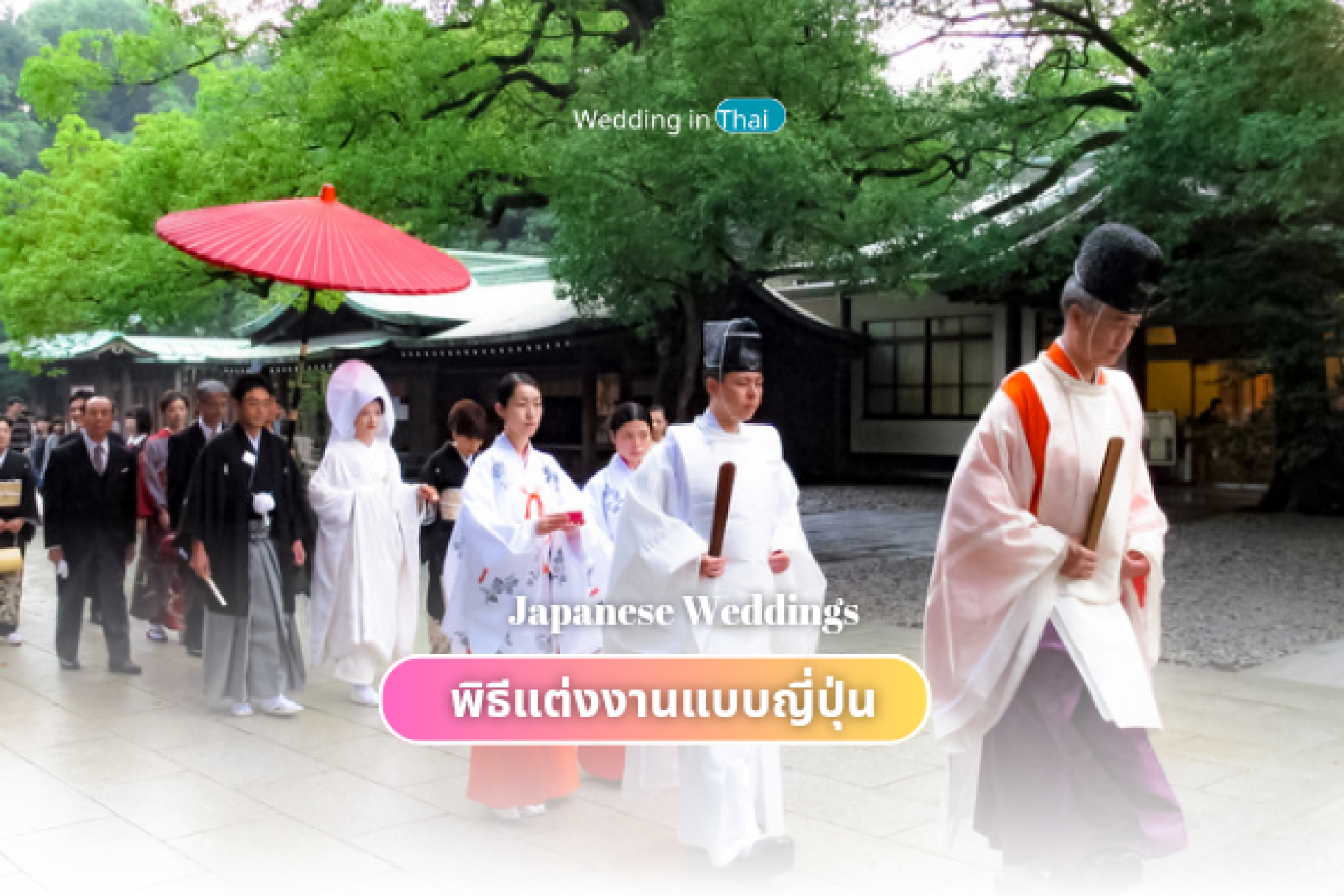
Japanese Weddings: Elegant, Simple, and Rich in Meaning
Japanese wedding ceremonies are renowned for their beauty and uniqueness, from traditional attire to rituals that emphasize respect for family and nature. Everything is carefully arranged with simplicity yet imbued with profound meaning.
Shinto: A Ceremony Rooted in Religion
Traditional Japanese weddings are often held at Shinto shrines, sacred spaces deeply embedded in Japanese beliefs. The ceremony, known as Shinzen kekkon, is a way of honoring the deities and seeking blessings for a happy and stable marriage.
The ritual begins with a purification process to cleanse both body and spirit, preparing the couple for the sacred ceremony. One of the most iconic moments is the exchange of sake cups, symbolizing sharing and unity. Drinking sake from the same cup represents the start of a life together and a steadfast bond that will carry them into the future.
Japanese Wedding Attire: The Grace of the Kimono
When it comes to Japanese wedding attire, the intricate beauty of the kimono immediately comes to mind. The bride wears a white kimono called shiromuku, signifying purity and harmony with nature. Sometimes, she also dons a hood known as tsunokakushi, which symbolizes the bride's readiness to embrace married life with patience and humility, hiding any negative emotions or stubbornness.
The groom wears a formal outfit called haori and hakama, designed with simplicity yet exuding elegance. This attire reflects respect for tradition and signifies the groom's readiness to lead the family.
Key Rituals: Vows and Family Honor
After the sake ritual, the couple exchanges vows, or seiyaku, pledging their commitment to care for one another for a lifetime.
Another important moment is the offering to the deities, often in the form of a sacred branch, symbolizing growth and prosperity. Following this, the couple bows to their parents, expressing gratitude and seeking blessings for a harmonious and joyful marriage.
Reception: A Warm and Intimate Celebration
After the Shinto ceremony, the couple and their guests gather for a reception called enkai, filled with warmth and camaraderie. Guests enjoy traditional Japanese cuisine and sake while speeches from family elders and close friends offer heartfelt wishes to the newlyweds.
During the reception, the bride may change from her white kimono to a vibrant-colored one, symbolizing the beginning of a joyful new chapter in her life. The enkai is not just a celebration but also a time for the couple to deepen their connections with family and friends.
The Charm of Japanese Weddings
Though seemingly simple, every step of a Japanese wedding is rich with significance, emphasizing the importance of family and the bond between the couple. A Japanese wedding is not merely the union of two individuals but a weaving together of families, beliefs, and nature in a deeply meaningful way.
Japanese wedding ceremonies are renowned for their beauty and uniqueness, from traditional attire to rituals that emphasize respect for family and nature. Everything is carefully arranged with simplicity yet imbued with profound meaning.
Shinto: A Ceremony Rooted in Religion
Traditional Japanese weddings are often held at Shinto shrines, sacred spaces deeply embedded in Japanese beliefs. The ceremony, known as Shinzen kekkon, is a way of honoring the deities and seeking blessings for a happy and stable marriage.
The ritual begins with a purification process to cleanse both body and spirit, preparing the couple for the sacred ceremony. One of the most iconic moments is the exchange of sake cups, symbolizing sharing and unity. Drinking sake from the same cup represents the start of a life together and a steadfast bond that will carry them into the future.
Japanese Wedding Attire: The Grace of the Kimono
When it comes to Japanese wedding attire, the intricate beauty of the kimono immediately comes to mind. The bride wears a white kimono called shiromuku, signifying purity and harmony with nature. Sometimes, she also dons a hood known as tsunokakushi, which symbolizes the bride's readiness to embrace married life with patience and humility, hiding any negative emotions or stubbornness.
The groom wears a formal outfit called haori and hakama, designed with simplicity yet exuding elegance. This attire reflects respect for tradition and signifies the groom's readiness to lead the family.
Key Rituals: Vows and Family Honor
After the sake ritual, the couple exchanges vows, or seiyaku, pledging their commitment to care for one another for a lifetime.
Another important moment is the offering to the deities, often in the form of a sacred branch, symbolizing growth and prosperity. Following this, the couple bows to their parents, expressing gratitude and seeking blessings for a harmonious and joyful marriage.
Reception: A Warm and Intimate Celebration
After the Shinto ceremony, the couple and their guests gather for a reception called enkai, filled with warmth and camaraderie. Guests enjoy traditional Japanese cuisine and sake while speeches from family elders and close friends offer heartfelt wishes to the newlyweds.
During the reception, the bride may change from her white kimono to a vibrant-colored one, symbolizing the beginning of a joyful new chapter in her life. The enkai is not just a celebration but also a time for the couple to deepen their connections with family and friends.
The Charm of Japanese Weddings
Though seemingly simple, every step of a Japanese wedding is rich with significance, emphasizing the importance of family and the bond between the couple. A Japanese wedding is not merely the union of two individuals but a weaving together of families, beliefs, and nature in a deeply meaningful way.
Related Content

A complete wedding planning guide from budget and wedding venue selection to the big day. Perfect step-by-step checklist for couples.
23 Jun 2024
When we think of Chinese weddings, vivid red attire worn by the bride and groom often comes to mind. However, traditional
30 Jan 2025
Explore romantic and elegant wedding table decoration ideas — from floral arrangements and candlelight to personalized details that make your wedding dinner unforgettable.
3 Mar 2025

