Auspicious Symbols in Thai Wedding Ceremonies Hidden in Small Details
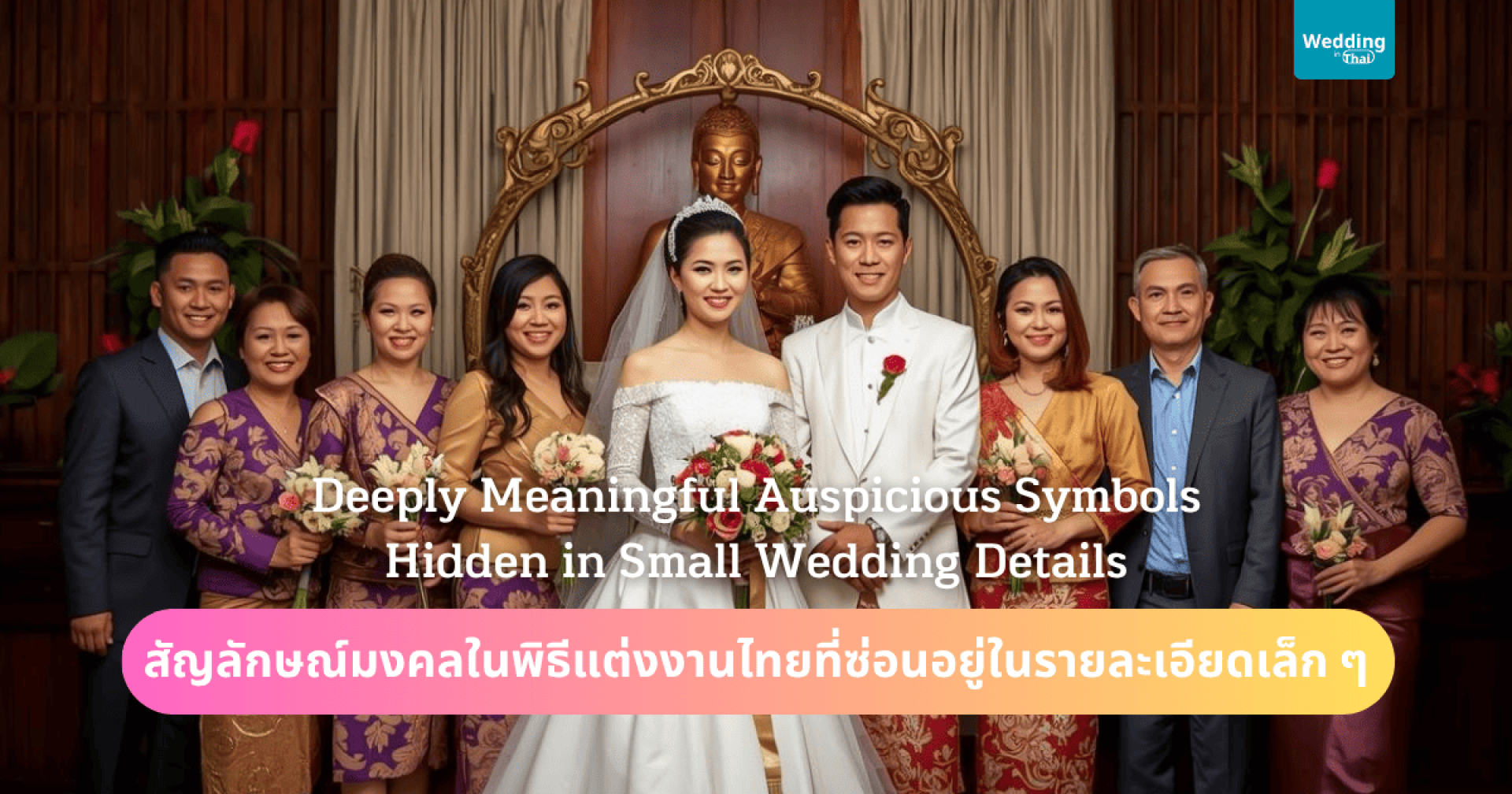
Thai wedding ceremonies are rich with auspicious symbols that may not be obvious at first glance. When examined closely, small items tiny flowers, the arrangement of bowls, the position of chairs, color choices all carry cultural meanings and ritual functions. This article explores those small but powerful symbols, explains what they signify, and offers practical advice for using them effectively at a wedding venue.
1. Tiny jasmine in garlands and trays Jasmine symbolizes purity, tender love, and devotion. Used inside garlands, it conveys gentle and lasting affection. Ask florists to use fresh jasmine and proper storageespecially important for outdoor venues.
2. Number of flowers / number of elements Numbers carry symbolic valueodd numbers are often considered auspicious; the number 9 is associated with luck. Use odd-numbered groupings (3, 5, 9) for trays or displays to reinforce auspicious symbolism.
3. Placement of holy water bowls and vessels
A holy water bowl is more than functional; its placement, cleanliness, and presentation symbolize a fresh beginning and the formal passing of blessings. Use a respected-looking bowl, place it prominently, and provide clean towels for neatness.
4. Sai Sin (sacred thread) and how its tied Sai Sin symbolizes connection and spiritual protection. Tying it to the head, wrists, or between couple binds blessings to them. Let a ritual leader or monk handle threads to preserve ritual meaning and correctness.
5. Color choices for fabrics and attire Colors convey symbolic meanings white for purity, gold for prosperity, red for vitality (interpretation depends on regional context). Coordinate tablecloths, sashes, and ceremonial fabrics to reflect the chosen symbolic tone and inform the venue team.
6. Seating arrangement and elders placement Seating order articulates respect and a social bond. How elders are positioned can indicate honor and blessing.Design a seating chart and brief the emcee and venue staff on the order and importance.
7. Thai sweets and offerings on trays Traditional sweets represent sweetness in life, prosperity, and stability. The type of treat carries intentional symbolism. Choose sweets with favorable meaningsstore them cleanly and arrange them respectfully.
8. Ring selection and fine decorative details Rings symbolize union; small design choices like engraved motifs can suggest longevity, growth, or shared values. Discuss symbolic motifs with jewelersfloral, leaf, or knot patterns can add meaningful nuance.
9. Incense, candles, and lighting Incense connects spoken blessings to the spiritual realm; candles represent guidance and warmth. Number and style of lights can carry symbolic resonance. Consult ritual leaders about candle/incense count and arrange safe lighting in the venue.
10. Gifts exchanged during the ceremony Gifts like cloth, money, or heirlooms communicate responsibility sharing and blessings for the future. Choose meaningful tokens and present them with clear ceremonial choreography.
Local or regional symbolic additions
- Local herbs or leaves: Used in some regions for protection and prosperity.
- Traditional music patterns: Certain rhythms invoke blessing or ancestral presence.
- Small cleansing rites: Local acts performed before the main ceremony to remove hidden misfortune.
- Make a prioritized list Pick 58 symbols to include and notify florist, emcee, and venue team.
- Explain meanings in the program Add short notes in the ceremony program or an information board so guests understand the intent.
- Rehearse the ceremony Practice garland placement, holy water pouring, and thread-tying so symbolic acts are clear and smooth.
- Choose materials suitable for the setting Outdoor venues need hardy materials that resist sun and wind.
- Inform guests respectfully Briefly explain special practices before the ritual to avoid confusion.