Thai Wedding Traditions & Ceremony Symbols Explained
Last updated: 23 Sept 2026
1792 Views
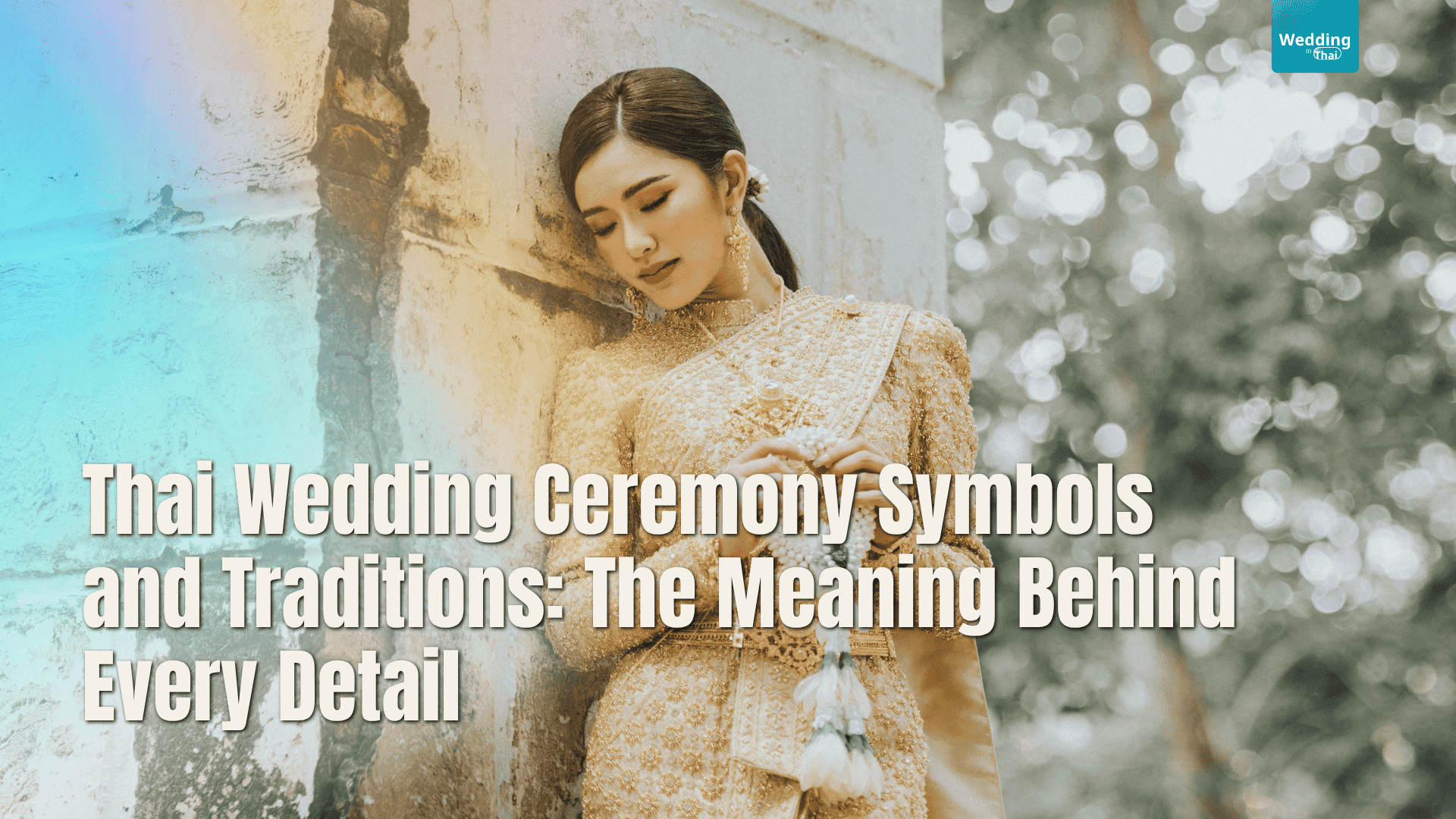
Thai Wedding Ceremony Symbols and Traditions: The Meaning Behind Every Detail
A Thai wedding ceremony is filled with meaningful details. From jasmine garlands and sacred water to ceremonial trays, Thai sweets, sacred threads, and the seating of family elders, many elements are chosen not only for their beauty but also for their cultural and auspicious meanings.
For couples planning a destination wedding in Thailand, understanding these details can make a traditional Thai ceremony feel more personal and respectful.
While Thai wedding traditions vary by family, region, religion, and ceremony style, many traditional elements share common themes such as love, respect, prosperity, protection, longevity, and blessings for the couple's future.
In this guide, WeddingInThai explores the most meaningful symbols found in Thai wedding ceremonies and explains how couples can incorporate them thoughtfully into a modern wedding in Thailand.
What Do Thai Wedding Symbols Mean?
Thai wedding traditions often combine Buddhist beliefs, local customs, family traditions, and influences from Hindu culture. This is why a Thai wedding can include many auspicious objects and rituals, each with its own meaning.
Traditional Thai wedding ceremonies may include Buddhist blessings, the Khan Maak procession, paying respect to elders, the Rod Nam Sang water blessing ceremony, sacred threads, garlands, and other symbolic elements. The exact order and combination can vary depending on the couple and their family.
For destination weddings, couples do not necessarily need to include every traditional ritual. Instead, they can select the elements that are meaningful to them and work with the venue and ceremony team to present them appropriately.
1. Jasmine Flowers and Thai Wedding Garlands
Jasmine is one of the flowers commonly associated with purity, beauty, and auspicious occasions in Thai culture.
Fresh flowers are an important part of Thai ceremonial decoration, and jasmine is traditionally used in garlands and other floral arrangements. Flowers in Thai culture can represent beauty, purity, and auspiciousness.
During a traditional Thai wedding, floral garlands may be worn by the couple during the Rod Nam Sang ceremony.
How to use jasmine at a wedding
Couples can incorporate jasmine through:
- Traditional wedding garlands
- Floral trays
- Ceremony backdrops
- Table decorations
- Welcome arrangements
For outdoor weddings in Phuket, Koh Samui, or other tropical destinations, ask the florist about keeping fresh jasmine protected from direct sunlight and heat.
2. Khan Maak Trays and Auspicious Wedding Items
The Khan Maak procession is one of the recognizable elements of a traditional Thai wedding.
The groom and his family traditionally bring Khan Maak trays containing symbolic items such as the engagement ring, dowry, betel nuts, incense, candles, grains, and other auspicious objects.
These items can represent love, prosperity, fertility, and longevity.
For an international couple, the Khan Maak procession can also be a beautiful opportunity to introduce Thai culture to wedding guests who may be unfamiliar with the tradition.
Planning tip
Before the wedding day, confirm with the ceremony organizer or Thai wedding specialist:
- Which items are required
- Which items are symbolic only
- Who will carry each tray
- Where the procession will begin
- Where the trays will be placed during the ceremony
The exact details can vary depending on the family and ceremony style.
3. Sacred Water and the Rod Nam Sang Ceremony
Water is one of the most important symbols in Thai ceremonial traditions. It can represent cleansing, purity, renewal, and blessings.
In the traditional Rod Nam Sang ceremony, the couple wears ceremonial garlands and sits or kneels together while family members and guests pour blessed water over their hands from a conch shell.
The ceremony is also an opportunity for guests to offer blessings to the newlyweds.
Venue planning tip
The ceremony area should provide:
- A suitable ceremonial seat or platform
- A conch shell or appropriate water vessel
- Clean ceremonial water
- Towels
- A clear space for guests
- Easy access for elderly family members
Good planning is particularly important when the ceremony is held outdoors.
4. Sai Sin: The Sacred Thread
Sai Sin, or sacred ceremonial thread, is used in a number of Thai Buddhist rituals.
The thread can symbolize connection, protection, and the transmission of blessings. It may be incorporated into ceremonies involving Buddhist monks or other traditional blessing rituals.
The use of Sai Sin can vary depending on the ceremony and region, so couples should follow the guidance of the monk, officiant, or ceremony leader rather than treating one method as universal.
For couples unfamiliar with Thai traditions, having a Thai ceremony specialist explain the sequence beforehand can make the ritual easier to follow.
5. Auspicious Colors in Thai Weddings
Color can be an important part of Thai ceremonial design, but there is no single set of color meanings that applies to every Thai wedding.
White is commonly associated with purity, while gold is often used to create a sense of prosperity, celebration, and auspiciousness. Other colors may carry different meanings depending on cultural and regional context.
Rather than choosing colors based on a universal rule, couples should consider the specific ceremony, family traditions, and overall wedding design.
How to incorporate meaningful colors
You can use symbolic colors in:
- Thai wedding attire
- Floral arrangements
- Ceremony fabrics
- Table settings
- Wedding invitations
- Decorative trays
- Ribbons and ceremonial accessories
This allows the traditional elements to complement a modern destination wedding aesthetic.
6. Respecting Elders and the Seating Arrangement
Respect for parents and elders is an important part of Thai wedding culture.
During traditional ceremonies, couples may formally pay respect to their parents and older relatives and receive blessings in return. Gifts or money may also be presented as part of the blessing.
Because of this, the positioning of parents and senior family members should be planned carefully.
Before the ceremony
Create a simple ceremony plan showing:
1. Where the couple will sit or kneel
2. Where parents will be positioned
3. Which family members participate first
4. Where guests will queue
5. Where the photographer and videographer can stand
A short briefing for the emcee and venue team can prevent confusion during the ceremony.
7. Traditional Thai Sweets and Auspicious Food
Food is an important part of Thai celebrations, and traditional sweets can be selected for their auspicious associations.
Thai wedding sweets are often connected with ideas such as sweetness, prosperity, continuity, and a harmonious married life.
Instead of choosing desserts only for their appearance, couples can ask their Thai wedding specialist or family members about traditional sweets that are appropriate for the ceremony.
For a destination wedding, these can also become a cultural experience for international guests.
8. Conch Shells and Ceremonial Vessels
The conch shell has a particularly important role in the Rod Nam Sang ceremony.
During the ritual, guests traditionally pour water over the couple's hands using a conch shell while giving blessings.
The conch shell also has cultural and religious associations in Thailand. Thailand Foundation explains that its use in the blessing ceremony is connected with Hindu tradition and the symbolic purity associated with the white shell.
For couples planning a traditional ceremony, the conch shell should be treated as a ceremonial object rather than simply another decorative detail.
9. Incense, Candles, and Buddhist Ceremony Elements
Incense and candles may appear in traditional Thai Buddhist ceremonies, although their use depends on the specific ceremony and religious practice.
A Buddhist wedding blessing may involve monks chanting prayers and blessing water for use during the ceremony. In some traditional weddings, nine monks may be invited for the Buddhist ceremony, reflecting the importance of auspicious numbers in Thai culture.
If your wedding includes Buddhist rituals, consult the temple, monks, or ceremony leader about the appropriate number and arrangement of ceremonial items.
This is especially important when planning a destination wedding where the venue team may not normally manage Buddhist ceremonies.
10. Wedding Rings and Personal Symbols
Wedding rings are a modern element of many Thai weddings, particularly when couples combine Thai traditions with a Western-style ceremony.
Although the ring itself represents the couple's union, its design can also become a personal symbol.
Couples may choose:
- Floral motifs
- Leaf designs
- Interlocking patterns
- Engraved initials
- Important dates
- Symbols connected to their shared story
These details allow couples to combine Thai-inspired symbolism with their own identity.
11. Gifts and Blessings for the Couple
Traditional Thai wedding ceremonies often involve parents, relatives, and guests giving blessings or gifts to the newlyweds.
During the ceremony, gifts or money may accompany words of blessing and good wishes for the couple's future.
The important element is not the monetary value but the meaning behind the gesture.
For destination weddings, couples can also prepare small keepsakes for guests who participate in traditional rituals.
12. Traditional Music and the Atmosphere of the Ceremony
Music can help establish the atmosphere of a Thai wedding.
Traditional Thai music may accompany parts of the celebration, including the Khan Maak procession. Thailand Foundation notes that traditional long drums are commonly associated with the lively procession.
For a modern destination wedding, couples can combine traditional music during the cultural ceremony with contemporary music during the reception.
This creates a natural transition between Thai tradition and the couple's personal wedding style.
Regional Differences in Thai Wedding Traditions
One important thing to remember is that there is no single version of a Thai wedding ceremony.
Traditions can differ between Central, Northern, Northeastern, and Southern Thailand, as well as between Buddhist, Muslim, and other cultural communities.
For example, Northern Thai weddings may include the Baisri Sukwan blessing ceremony and the tying of sacred threads around the couple's wrists. Southern Thailand also has distinct Muslim wedding traditions, including the Nikah ceremony.
If you are planning a destination wedding in Thailand, ask your ceremony specialist which traditions are appropriate for the location and the families involved.
How to Incorporate Thai Wedding Symbols Into a Modern Destination Wedding
You do not need to recreate an entire traditional Thai wedding to experience its cultural meaning.
A modern destination wedding can incorporate selected traditions while keeping the overall celebration personal and elegant.
Step 1: Choose the traditions that matter to you
Select around five to eight meaningful elements rather than trying to include everything.
For example:
- Thai wedding garlands
- Khan Maak trays
- Rod Nam Sang
- Paying respect to parents
- Sai Sin
- Traditional Thai sweets
- Thai music
Step 2: Explain the meaning to your guests
Many international guests may have never attended a Thai wedding.
A short explanation in the wedding program, welcome sign, or ceremony booklet can help guests understand what they are witnessing.
Step 3: Coordinate with the wedding venue
Share the ceremony sequence with your venue team in advance.
Make sure they understand:
- Ceremony timing
- Seating arrangement
- Required furniture
- Water and ceremonial equipment
- Floral requirements
- Guest flow
- Photography positions
- Religious requirements
Step 4: Rehearse the important moments
A short rehearsal can make a significant difference.
Practice the order of:
- Garland placement
- Paying respect to elders
- Water blessing
- Gift presentation
- Sai Sin ceremony
- Guest participation
This is particularly helpful when most guests are international.
Step 5: Consider the environment
Thailand's tropical climate can affect flowers, fabrics, water, candles, and other ceremonial materials.
For outdoor weddings, discuss weather protection and material choices with the florist and venue team before the wedding day.
Thai Wedding Traditions for Destination Weddings
For international couples, Thai wedding traditions can be more than beautiful details. They offer a meaningful way to connect the couple, their families, and their guests with Thai culture.
The key is to approach each ritual with context and respect.
Whether you are planning a beach wedding in Phuket, a luxury celebration in Koh Samui, or an intimate island wedding in Phi Phi, the right combination of Thai traditions can make the ceremony feel deeply connected to its destination.
At WeddingInThai, we help couples discover wedding venues and Wedding Specialists in Thailand who understand the practical and cultural details of destination weddings.
Frequently Asked Questions About Thai Wedding Ceremonies
What are the main traditions in a Thai wedding?
Common traditional elements can include a Buddhist blessing, Khan Maak procession, paying respect to elders, Rod Nam Sang water blessing, wedding garlands, sacred threads, and other auspicious rituals. The exact ceremony varies by family, region, religion, and personal preference.
What does the Thai water blessing ceremony mean?
Rod Nam Sang is a traditional Thai wedding blessing ceremony in which guests pour blessed water over the couple's hands while offering blessings and good wishes.
What does jasmine symbolize in Thai culture?
Jasmine is commonly associated with beauty, purity, and auspiciousness in Thai culture and is frequently used in floral arrangements and ceremonial garlands.
What is Sai Sin in a Thai wedding?
Sai Sin is a sacred ceremonial thread used in Thai Buddhist rituals. It can represent connection and blessings and may be incorporated into wedding blessing ceremonies depending on the ceremony style.
Do I need to have a traditional Thai wedding if I am getting married in Thailand?
No. Couples can choose which Thai traditions they would like to include. Many destination weddings combine selected Thai rituals with Western-style ceremonies and receptions.
Are Thai wedding traditions the same throughout Thailand?
No. Thai wedding traditions vary by region, family, religion, and cultural background. Northern, Central, Northeastern, and Southern Thai communities may have different customs and ceremonies.
The beauty of a Thai wedding is often found in the details.
A jasmine garland, a ceremonial tray, a bowl of blessed water, a sacred thread, or a blessing from an elder can carry meaning far beyond its physical appearance.
For couples planning a destination wedding in Thailand, understanding these symbols allows you to choose traditions intentionally rather than simply adding them as decoration.
The most meaningful Thai wedding is not necessarily the one with the most rituals. It is the one where every tradition has a purpose, is handled respectfully, and becomes part of your own wedding story.

Discover Your Dream Wedding Venue
Explore our curated collection of hotels, resorts, and wedding venues. Browse wedding packages, photos, and venue details to find the perfect setting for your special day.
Plan Your Wedding with a Wedding Specialist
Share your vision and budget, and our Wedding Specialist will connect you directly with the venue’s wedding team to bring your dream wedding to life.
Related Content

Discover why Thailand is the perfect destination wedding location for European couples seeking sunshine, luxury venues, stunning beaches
17 Jul 2026

When it comes to marriage, many think of love and happiness on that special day. However, one aspect often overlooked is finances
4 Dec 2024

Modern Korean weddings blend traditional customs with contemporary elements, creating a warm and inviting atmosphere. Lets take a look at the ceremony steps and after-party setup!
2 Nov 2024

